

Honda Pilot Catalytic Converter: A Guide for 2012-2016 Models
Everything you need to know before replacing the catalytic converter on your 2012-2016 Honda Pilot.
- The most common failure codes are P0420 and P0430. Always diagnose the root cause (like oil consumption or bad O2 sensors) before replacing the part.
- If you have a 2016 Pilot, check TSB 20-100 with a dealer, as a software update or fuel injector replacement might be the real fix and could be covered under warranty.
- You MUST buy a converter that matches your state's laws (EPA or CARB). Failure to do so will result in a failed emissions test.
- Aftermarket brands like MagnaFlow and Walker offer a good balance of quality and price, while direct-fit options are crucial to avoid installation headaches.
Is Your Pilot's Catalytic Converter Failing?

A failing catalytic converter isn't just bad for the environment; it can seriously affect your Pilot's performance. The most common sign is a Check Engine Light with diagnostic trouble codes (DTCs) P0420 or P0430, which point to "catalyst system efficiency below threshold." However, you should always investigate other potential causes, like a faulty oxygen sensor or an exhaust leak, before committing to a costly replacement.
A Known Issue for 2016 Pilots
Honda issued a Technical Service Bulletin (TSB 20-100) for the 2016 Honda Pilot. 🎬 Watch: How to diagnose these specific codes and service bulletins. It states that the vehicle's computer (PCM) might misinterpret sensor data and incorrectly trigger a P0420 or P0430 code. The actual problem could be related to fuel injectors or software. Honda extended the warranty for this specific issue to 10 years or 150,000 miles. If you own a 2016 model, it's worth checking with a Honda dealer to see if your vehicle is eligible for a covered repair.
Choosing the Right Aftermarket Converter

When replacing your Pilot's catalytic converter, you'll face a choice between an expensive OEM (Original Equipment Manufacturer) part from Honda and a more affordable aftermarket one. While OEM offers a guaranteed fit, a quality aftermarket converter can provide excellent value. Here’s a breakdown of common aftermarket brands:
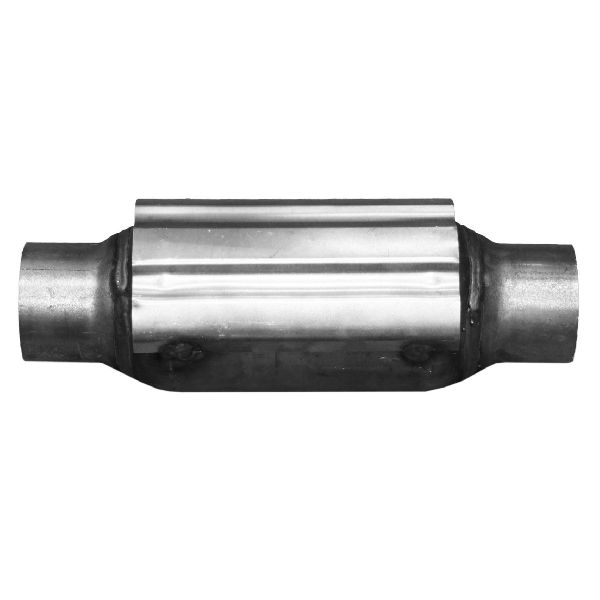
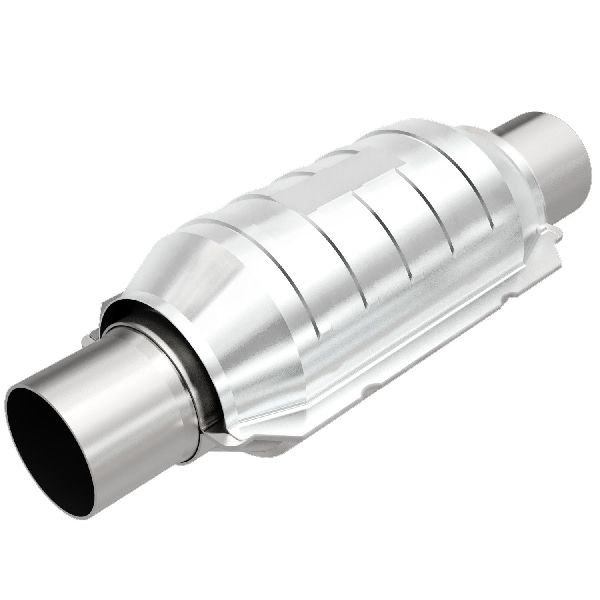
- Premium Brands (MagnaFlow): Known for high-quality stainless steel construction and excellent flow. They are a top choice for durability and performance, often considered a reliable alternative to OEM. However, they are typically the most expensive aftermarket option.
- Mid-Range Brands (Walker): Walker is a well-respected name in exhaust parts, often supplying OEM manufacturers. Their direct-fit converters are designed for easy, bolt-on installation and are known for reliability, making them a solid middle-ground choice.
- Value Brands (AP Exhaust, Eastern Catalytic, Davico): These brands offer a budget-friendly way to get your Pilot back on the road and pass emissions. Fit and longevity can sometimes be a concern compared to premium brands, but many owners use them successfully. It's crucial to ensure you fix the underlying problem that caused the original converter to fail, as a new budget converter will fail quickly from the same issue.
EPA vs. CARB: A Critical Choice
Before you buy, you MUST know your state's emissions requirements. Converters are either EPA (Federal) or CARB (California Air Resources Board) compliant. If you live in California, Colorado, New York, Maine, or another state that has adopted CARB standards, you cannot legally install an EPA-only converter. Installing the wrong type is a costly mistake that will cause you to fail inspection. Always verify which standard your vehicle requires.
Honda Pilot Catalytic Converter Cost

The cost can vary significantly based on the part you choose and who does the work. The 2012-2016 Pilot has multiple catalytic converters, and often the ones that fail are integrated with the exhaust manifold, which increases complexity and cost.
| Item | Estimated Cost |
|---|---|
| New OEM Part | $1,700 - $2,300+ |
| New Aftermarket Part | $133 - $944 |
| Shop Labor | $291 - $600+ |
Frequently Asked Questions

Why did my Honda Pilot's catalytic converter fail?
Converters typically fail for a reason. Common causes include oil or coolant leaking into the exhaust, which contaminates the catalyst materials. The V6 engine in some Pilots can have issues with oil consumption, which can foul the converters over time. Other causes are engine misfires, a rich fuel mixture, or simply high mileage. Always diagnose and fix the root cause before installing a new converter.
Can I replace just one catalytic converter?
Yes. Your Pilot has multiple converters (for Bank 1 and Bank 2 of the engine). The diagnostic trouble code will tell you which one is failing (P0420 for Bank 1, P0430 for Bank 2). You only need to replace the faulty one. Bank 1 is typically the rear bank, closer to the firewall, and Bank 2 is the front bank.
🎬 See this walkthrough for replacing the Bank 1 catalytic converter.Is it hard to replace a Honda Pilot catalytic converter?
For the 2012-2016 Pilot, the front converter (Bank 2) is particularly difficult. Replacement often requires removing the radiator fans and other components to gain access. It is considered a moderately difficult job for a DIYer and may take a professional 2-4 hours. Direct-fit, bolt-on replacements are recommended to avoid the need for welding.
🎬 Watch: A step-by-step guide to replacing the Bank 2 converter.Should I replace my oxygen sensors with the catalytic converter?
It is often recommended. Oxygen sensors play a crucial role in monitoring the converter's performance. An old, slow-reacting sensor can sometimes mimic the symptoms of a bad converter or fail to work correctly with a new one. Replacing them at the same time can save you from future headaches.
Helpful Videos

Technical Specifications
OEM Part Numbers: 18190-RN0-A10
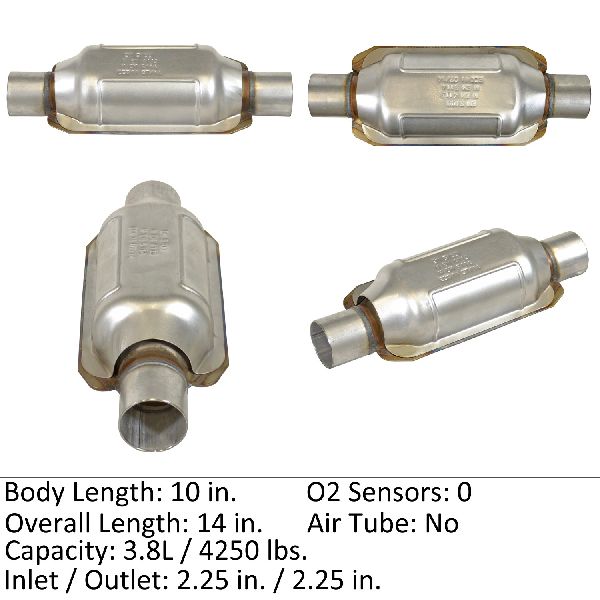
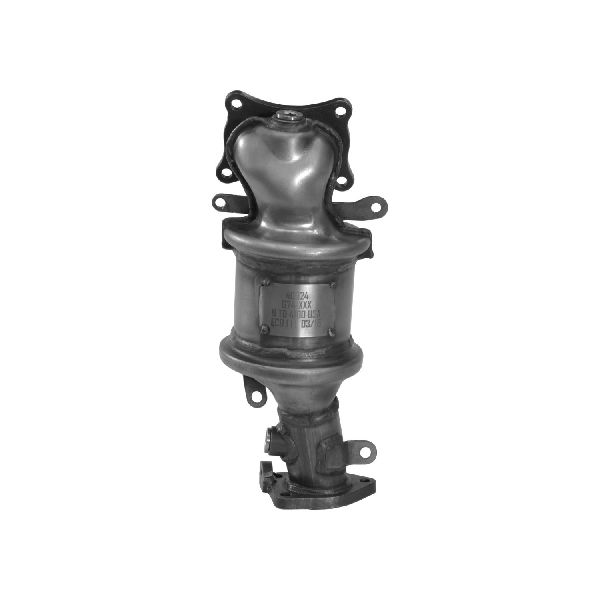
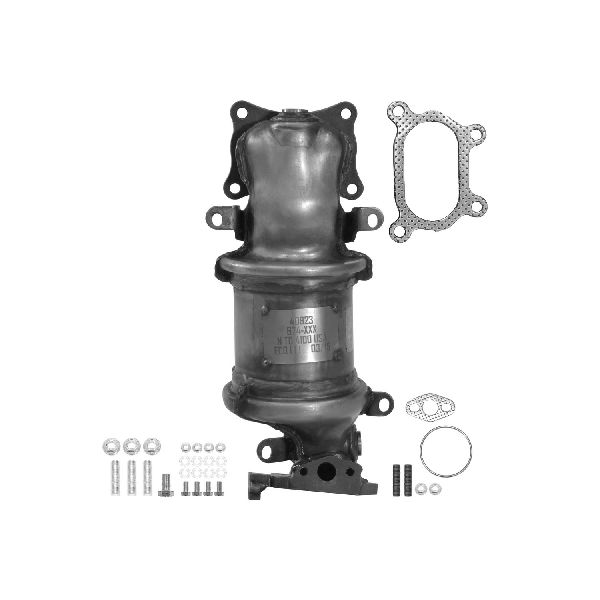
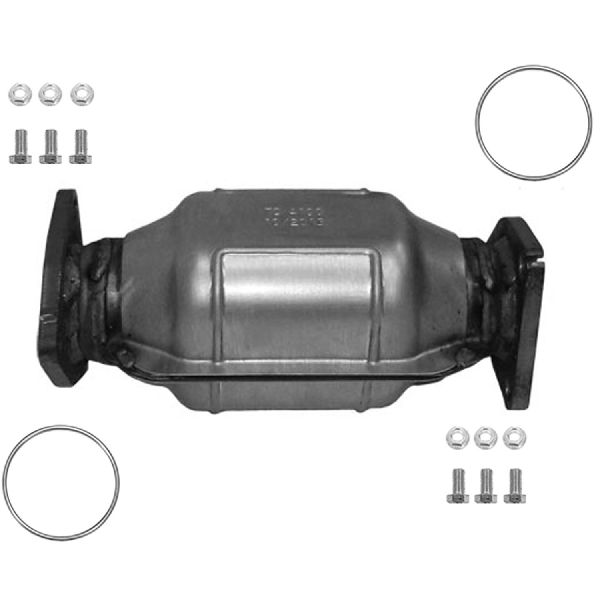
The 2012-2016 Honda Pilot uses multiple catalytic converters, including manifold-integrated units for Bank 1 (rear) and Bank 2 (front). Replacements are typically direct-fit and require specific gaskets for installation.
We Have This Part in Stock

The information in this article is provided for general reference and educational purposes only. Vehicle specifications, procedures, and part compatibility can vary by production date, trim level, and region. Always consult your vehicle's factory service manual and verify part numbers before purchasing or performing repairs. Safety-critical components such as airbags, seat belts, and braking systems should be installed by a qualified professional.
- Honda Pilot: