

A Guide to Replacing Disc Brake Pads on the 2011-2017 BMW 5-Series (F10)
Everything you need to know about choosing the right new aftermarket brake pads for your F10 5-Series.
- This guide applies to the 2011-2017 F10 5-Series (e.g., 528i, 535i), not a 2012-2016 530i which wasn't sold in the US.
- You must replace the brake wear sensor (one front, one rear) if the dashboard warning light is on.
- Rear brake pad replacement requires a scan tool to retract the electronic parking brake.
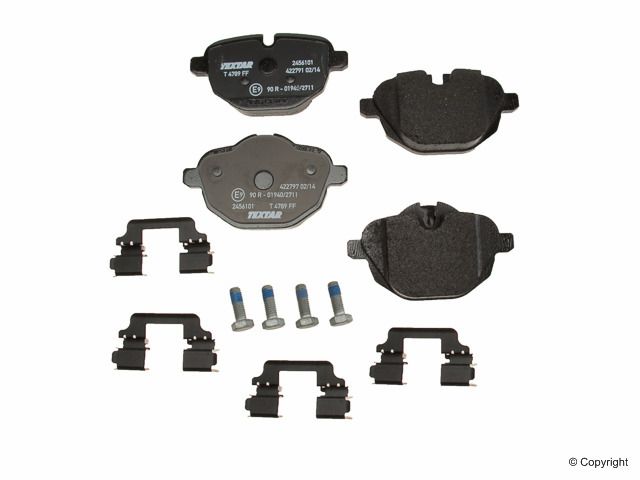
- Textar is an OEM supplier, making their aftermarket pads a high-quality choice for factory-like performance.
A Note on Vehicle Models
This guide covers the sixth-generation BMW 5-Series, known as the F10 chassis, sold from roughly 2011 to 2017 in North America. While the 530i model was not available in the US during these years, this information applies to the common models of the era, such as the 528i and 535i, which share similar brake system designs.
Symptoms of Failing Brake Pads
Worn brake pads give clear warning signs. Ignoring them can lead to more expensive repairs, like needing to replace the brake rotors as well.
- Squealing or Grinding Noises: A high-pitched squeal when you brake is one of the first signs. A harsher grinding noise means the pads are completely worn down, and you are likely causing damage to the brake rotors.
- Dashboard Warning Light: Your BMW's computer system, called Condition Based Service (CBS), will display a "Brake System" warning when the wear sensor is tripped. Once this light is on, the sensor must be replaced along with the pads.
- Vibration or Shuddering: If you feel a pulsing in the brake pedal or a shudder through the steering wheel when braking, your brake rotors may be warped, often as a result of driving on thin pads for too long.
- Reduced Stopping Power: If your car takes longer to stop than it used to, your brake pads are likely at the end of their life.
Choosing the Right Aftermarket Brake Pads
When shopping for aftermarket pads, you're choosing between different levels of quality and performance. For your BMW, you don't want to compromise on safety with a low-quality part.
OEM-Equivalent vs. Aftermarket
OEM (Original Equipment Manufacturer) parts are what BMW installed at the factory. An OEM-equivalent aftermarket part is made by the same company that supplies BMW. This is often the best of both worlds: factory quality without the dealership price.
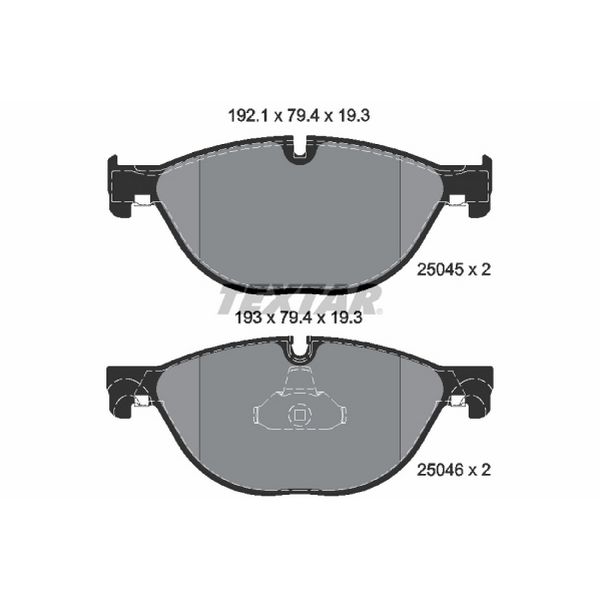
- Textar: Textar is a known OEM supplier for BMW brake pads. Choosing Textar pads is a reliable way to get performance and feel that is very similar to the original factory pads. They are a top choice for owners who want a stock replacement without paying a premium.
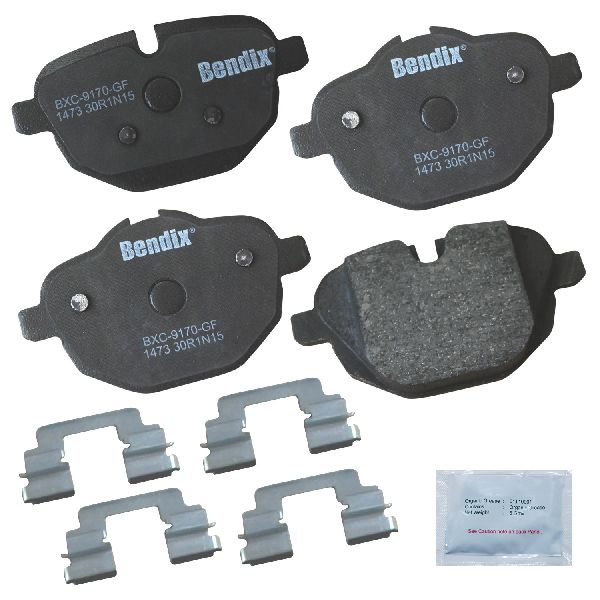
- Bendix: Bendix is a well-established aftermarket brand that produces a wide range of brake components. While not an OEM supplier for BMW, they offer quality replacement parts that meet or exceed safety standards, often providing good value.
Pro Tip: Many experienced technicians recommend replacing brake rotors at the same time as the pads on German vehicles. This ensures the new pads have a perfectly flat, new surface to bed into, which prevents noise and vibration issues.
Known Issues for the F10 5-Series
While generally reliable, the F10's braking system has a few known points to be aware of.
- Brake Vacuum Pump Recall: Some 2012-2014 models, including the 528i, were recalled for a potential brake vacuum pump failure due to lack of lubrication. This could cause a loss of power braking assistance, making the pedal much harder to press. Check with a dealer to see if your vehicle was affected and if the recall work was performed.
- Seized Rear Pads: Corrosion can sometimes cause the rear brake pads to get stuck in their caliper brackets. This prevents them from moving freely, leading to uneven wear and reduced braking effectiveness. When replacing pads, it's crucial to clean and properly lubricate the caliper contact points.
Estimated Replacement Costs
Brake replacement costs can vary based on your location and whether you choose a dealership or an independent mechanic. The table below provides a general estimate.
| Part / Service | Estimated Cost (Per Axle) |
|---|---|
| New Aftermarket Pad Set (Parts Only) | $60 - $155 |
| New OEM Pad Set (Parts Only) | $100 - $200 |
| Brake Wear Sensor (1 Per Axle) | $25 - $50 |
| Shop Labor (Pads Only) | $150 - $230 |
| Total Job (Aftermarket Pads & Labor) | $210 - $385 |
| Total Job (Pads, Rotors & Labor at Indy Shop) | $550 - $900 |
Frequently Asked Questions
Do I have to replace the brake pad wear sensor?
If your dashboard brake warning light has come on, you must replace the sensor. The system works by wearing through the sensor, creating an open circuit. The warning light cannot be reset until a new, functioning sensor is installed. If you replace your pads before the light comes on, you can reuse the old sensor.
What tools are needed for a rear brake pad replacement?
The rear brakes on the F10 5-Series use an Electronic Parking Brake (EPB). You must use a compatible automotive scan tool to put the EPB into "service mode" before you can push the caliper piston back. Attempting to force the piston back without doing this will damage the electronic actuator. The front brakes do not require this step.
How often do brake pads need to be replaced on a BMW 5-Series?
Brake pad life varies greatly depending on driving habits, but they typically last between 30,000 and 70,000 miles. If you do a lot of city driving with frequent stops, you will be on the lower end of that range. Your car's service computer will tell you when they are due for replacement.
Should I choose ceramic or semi-metallic pads?
OEM pads, like those from Textar, are typically a semi-metallic compound designed for a balance of performance and low noise. Aftermarket ceramic pads are known for producing less brake dust and being very quiet, but they may not have the same initial "bite" or cold performance as the OEM pads. For most drivers, an OEM-equivalent semi-metallic pad is the best choice to maintain the car's original braking feel.
Technical Specifications
The F10 5-Series uses a single-piston floating caliper for standard models. It requires one brake pad wear sensor for the front axle (left side) and one for the rear axle (right side). The rear calipers feature an integrated electronic parking brake that requires a diagnostic tool for service.
We Have This Part in Stock

The information in this article is provided for general reference and educational purposes only. Vehicle specifications, procedures, and part compatibility can vary by production date, trim level, and region. Always consult your vehicle's factory service manual and verify part numbers before purchasing or performing repairs. Safety-critical components such as airbags, seat belts, and braking systems should be installed by a qualified professional.
- BMW 530i: