

Disc Brake Rotor Guide for the 2011-2025 Dodge Durango
Everything you need to know before replacing the brake rotors on your Durango.
- A primary known issue for Durango rotors is warping, which causes vibration when braking.
- Confirm if you have Standard (330mm) or Heavy Duty (350mm) brakes before ordering parts to avoid errors.
- For most owners, a coated daily driver rotor from a brand like Raybestos, Wagner, or Bosch offers the best balance of performance and value.
- Always replace brake pads at the same time as the rotors to ensure proper performance and longevity.
Is it Time to Replace Your Durango's Brake Rotors?


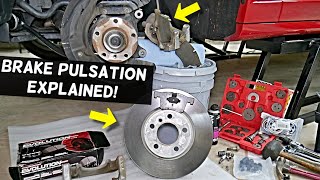
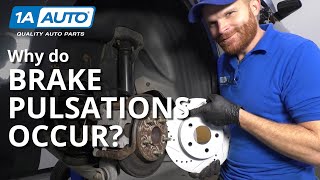
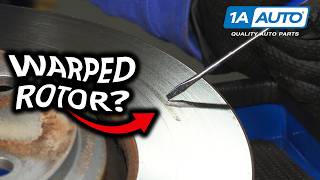
A common issue reported by Durango owners is warped rotors, which cause a pulsation or steering wheel shake when you apply the brakes, especially from higher speeds. This doesn't always mean the rotor is bent, but rather that there are uneven deposits of brake pad material on the surface, or variations in the rotor's thickness. Listen for grinding or squealing noises as well; these can indicate that the brake pads are worn down and are now damaging the rotors. Visually inspect the rotors for deep grooves, scoring, or a bluish discoloration, which are all signs they need to be replaced.
Heavy Duty vs. Standard Brakes
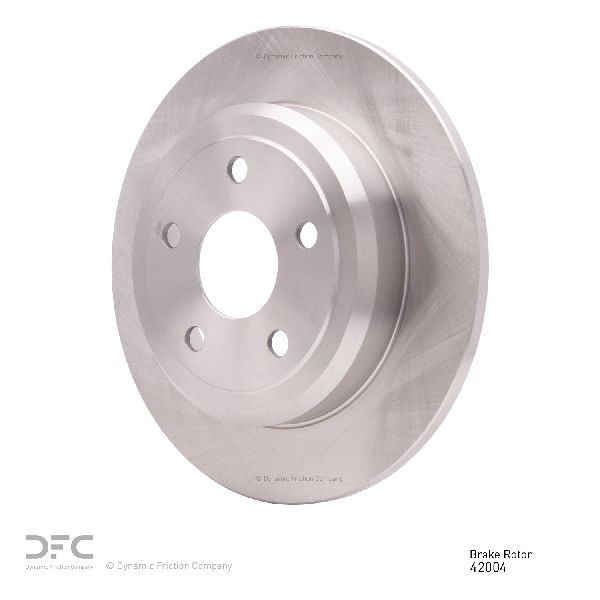
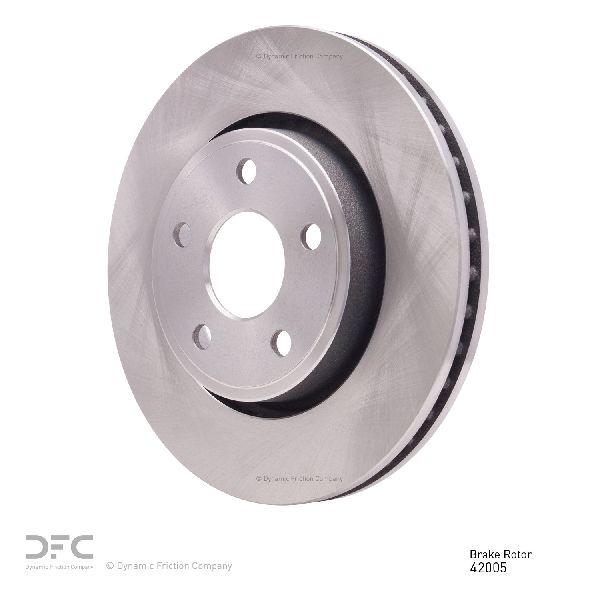
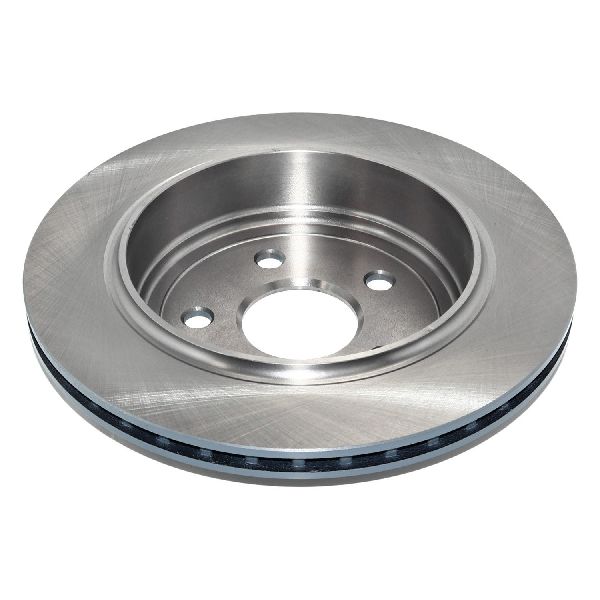
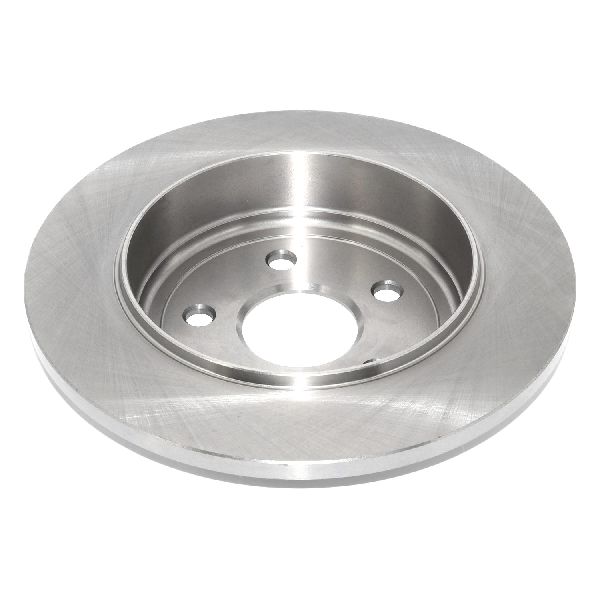
One of the most common mistakes when ordering parts for a Durango is getting the wrong size rotors. Many Durangos, especially those with a V8 engine or a tow package, are equipped with Heavy Duty (HD) brakes. These use larger 350mm (13.78 inch) front rotors compared to the standard 330mm (13.0 inch) rotors. A simple way to check is to look at your rear rotors; if they are vented (with fins between the two rotor faces), you likely have the HD brake package. Always confirm your vehicle's specific brake package before ordering.
Choosing the Right Aftermarket Rotors for Your Durango

When it comes to aftermarket rotors, you get what you pay for. While OEM Mopar rotors are a reliable choice, many aftermarket brands offer comparable or even superior performance, often at a better price. Aftermarket rotors can be categorized into several tiers based on quality, performance, and price.
Economy Brands
Brands like Pronto and some store brands (e.g., Duralast) fall into this category. They are the most affordable and meet basic OEM specifications. While functional for light-duty use, they may not have the same longevity or resistance to warping as higher-quality options, especially on a heavy vehicle like the Durango. Some owners have reported needing to replace cheaper rotors sooner.
Daily Driver & OE-Quality Brands
This is the sweet spot for most Durango owners. Brands like ACDelco, Bosch, Raybestos, Wagner, and Centric offer excellent value. Many of these brands provide rotors with protective coatings on the hat and vanes to prevent rust and corrosion, which is a significant cosmetic and longevity upgrade over uncoated rotors. For example, Bosch QuietCast rotors are noted for their full rust-protective coating. Raybestos Element3 and Wagner E-Coated rotors are also praised for their durability and corrosion resistance.
Performance & Heavy-Duty Brands
For owners who tow, drive aggressively, or simply want the best stopping power, performance brands are the way to go. PowerStop is extremely popular among Durango owners for their drilled & slotted rotor kits (like the Z23 and Z26 series), which offer improved heat dissipation, reduced brake dust, and strong braking force at a lower cost than OEM performance brakes. Brembo is the original equipment manufacturer for the high-performance SRT models and offers premium replacement rotors that provide exceptional stopping power, though at a higher price. Other reputable performance brands include EBC Brakes, Hawk, and StopTech.
Should You Get Drilled or Slotted Rotors?
For most daily driving, a high-quality blank (smooth) rotor is more than sufficient and offers the best durability. Drilled and slotted rotors can provide better cooling and bite, which is beneficial for towing or performance driving. However, low-quality drilled rotors can be prone to cracking under stress. If you opt for this style, choose a reputable brand like PowerStop or Brembo.
Known Issues, Recalls, and TSBs

- NHTSA Recall 16V-168: Affects some 2015-2016 Durango models. The left front brake caliper could crack due to being made from incorrect material, potentially increasing stopping distance. Dealers will inspect and replace the caliper if necessary.
- NHTSA Recall 22V-426 (and follow-up 24V838000): Affects some 2018-2019 models. A software issue in the ABS module could cause the brake lights to stay on and allow the vehicle to be shifted out of park without the brake pedal being pressed, increasing the risk of a rollaway. The remedy involves a software update.
- TSB 05-004-21: For 2018-2020 models equipped with Brembo brakes, a clicking noise may be heard during low-speed turns. The fix involves installing a special friction disc kit between the rotor and the hub.
Cost of Replacing Dodge Durango Brake Rotors

| Part / Service | Estimated Cost |
|---|---|
| New OEM (Mopar) Rotors | $120 - $240 per rotor |
| New Aftermarket Rotors | $60 - $530 per rotor |
| Shop Labor (Per Axle) | $150 - $275 |
| Total Replacement (Aftermarket, Per Axle) | $270 - $800+ |
Costs are estimates and can vary based on location, vehicle configuration (HD vs. Standard), and the specific parts chosen. It is almost always recommended to replace brake pads at the same time as rotors.
Frequently Asked Questions
Do I have to replace my pads when I replace my rotors?
Yes, it is highly recommended. Installing old, unevenly worn brake pads on new rotors will cause poor performance and can quickly damage the new rotors, leading to vibrations and premature wear. Most rotor replacement services include new pads.
Can I upgrade to the larger 350mm HD rotors?
Upgrading from the standard 330mm rotors to the 350mm HD rotors is possible but requires more than just the rotors. You will also need to replace the brake caliper mounting brackets to accommodate the larger rotor diameter. The calipers themselves are often the same, but the brackets are different.
What tools are needed to replace Durango brake rotors?
You will need standard tools like a jack, jack stands, a lug wrench (22mm socket), and a C-clamp to compress the caliper piston. Vehicle-specific tools include a 21mm socket for the caliper bracket bolts and an 11mm hex (Allen) bit for the caliper guide pins. Some models may use different sizes, so confirm before starting.
What are the torque specs for the lug nuts?
After replacing your rotors and putting the wheels back on, the lug nuts should be torqued to 130 ft-lbs in a star pattern.
Helpful Videos
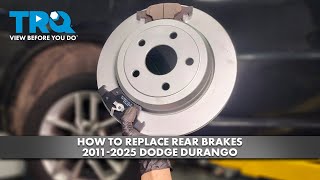
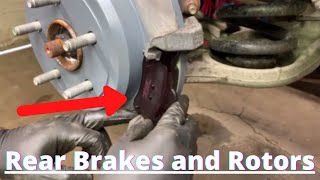
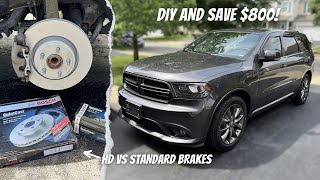
Technical Specifications
OEM Part Numbers: 04755349AA 04755374AA 52124762AD 05181513AD 52124763AD 68035022AE
Rotor sizes vary by trim and package. Standard front rotors are typically 330mm (13.0 inches), while Heavy Duty (HD) and performance models (R/T, SRT) use 350mm (13.78 inches) or larger front rotors. Rear rotors also vary between solid and vented designs. All models use a 5-lug bolt pattern.
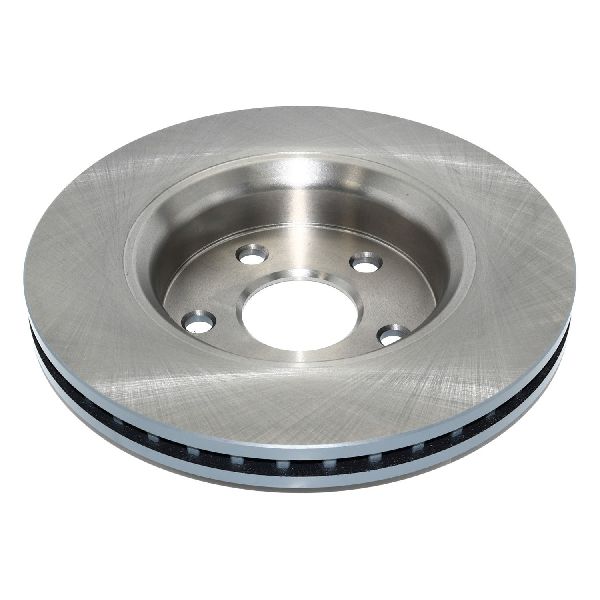
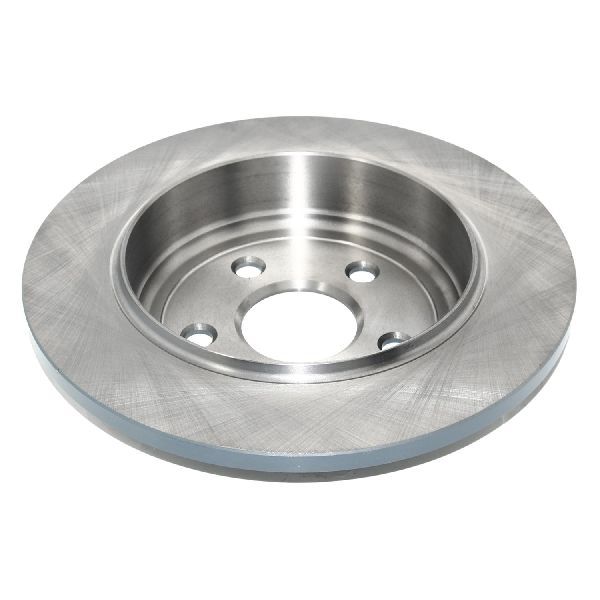
We Have This Part in Stock

The information in this article is provided for general reference and educational purposes only. Vehicle specifications, procedures, and part compatibility can vary by production date, trim level, and region. Always consult your vehicle's factory service manual and verify part numbers before purchasing or performing repairs. Safety-critical components such as airbags, seat belts, and braking systems should be installed by a qualified professional.
- Dodge Durango: