

Toyota Sienna Oxygen Sensor Replacement Guide for 2011-2024 Models
Fix your check engine light and restore fuel economy by choosing the right oxygen sensor for your Sienna.
- Choose Denso or NGK/NTK brands for an aftermarket sensor that matches original equipment quality.
- For 2015-2016 models, be aware of the Special Service Campaign (SSC G0G) for faulty sensor wiring.
- If you have a 2017-2020 Sienna with a P0420 or P0430 code, check for exhaust leaks before replacing expensive parts.
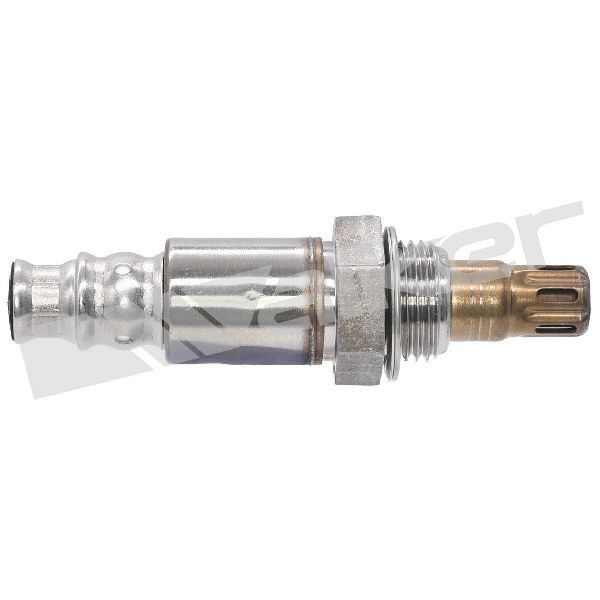
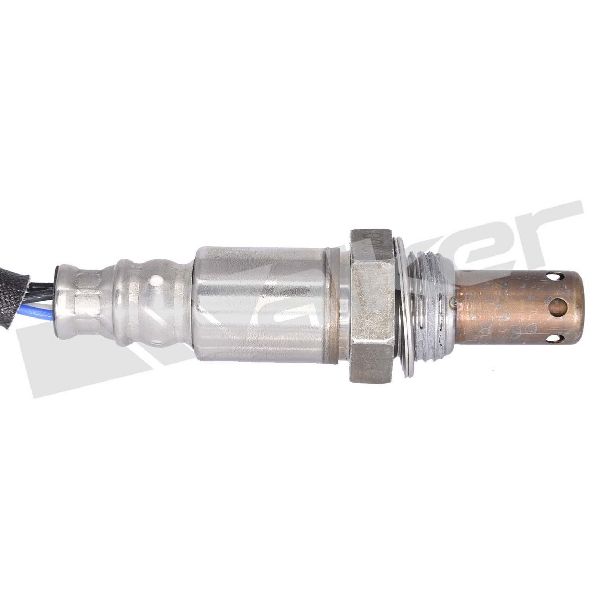
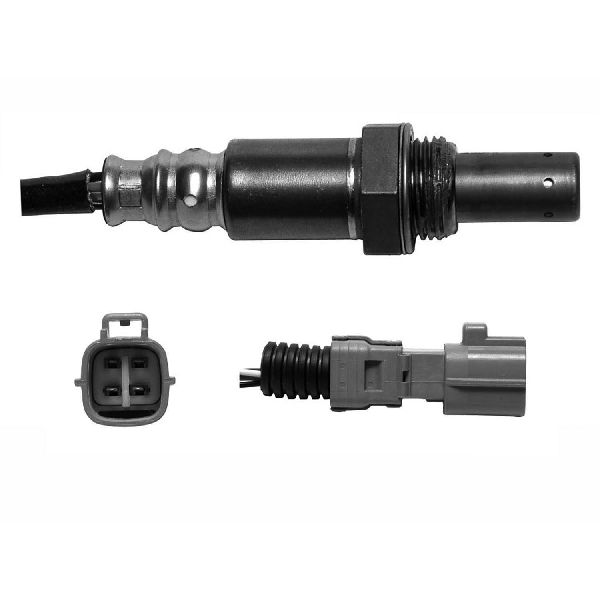
- Always confirm if you need an upstream (Air/Fuel Ratio) or downstream (Oxygen) sensor, as they are different parts.
Is Your Toyota Sienna Oxygen Sensor Failing?


A faulty oxygen (O2) sensor is a common issue that will trigger the check engine light in your 2011-2024 Toyota Sienna. Because these sensors live in the hot, harsh environment of the exhaust system, they eventually wear out from heat and contamination. When a sensor fails, the engine's computer receives incorrect information, leading to a poor air-fuel mixture. This can cause a noticeable drop in fuel economy, a rough idle, and sluggish performance. Ignoring a bad O2 sensor for too long can even lead to expensive damage to your catalytic converter.
Common Symptoms of a Bad Oxygen Sensor
- Check Engine Light: The most common sign, often with codes like P0135 (heater circuit), P0420 (catalyst efficiency), or others.
- Poor Fuel Economy: The engine may run rich, using more fuel than necessary.
- Rough Idle or Engine Misfires: An incorrect air-fuel mix can disrupt smooth engine operation.
- Failed Emissions Test: Your Sienna will not pass a smog check with an active O2 sensor code.
- Rotten Egg Smell: A rich-running engine can overheat the catalytic converter, producing a sulfur-like smell.
Known Issues for 2011-2024 Toyota Sienna
Special Service Campaign (SSC G0G): Toyota issued a campaign for certain 2015-2016 Sienna models. Wires inside the oxygen sensor harness could degrade from vibration, causing the check engine light to turn on. This could trigger codes P0037, P0136, P0137, P0138, or P0139. While the campaign period for free replacement at a dealer has passed, it highlights a known vulnerability for these model years.
Tech Tip (2017-2020 Models): For Siennas with the 2GR-FKS engine, Toyota advised technicians that catalyst efficiency codes (P0420, P0430) may be caused by tiny exhaust leaks near a weld or gasket, not a bad sensor. Before replacing a sensor for these codes, it's wise to have the exhaust system checked for leaks.
Choosing the Right Aftermarket Oxygen Sensor

When shopping for a replacement, it's crucial to understand the quality differences between brands. For a critical component like an oxygen sensor, choosing a quality part can save you from future headaches.
Tier 1: OE-Equivalent Brands
- Denso: Denso is the Original Equipment Manufacturer (OEM) for Toyota's oxygen sensors. Choosing an aftermarket Denso sensor is the closest you can get to buying the part from a Toyota dealer, often at a much lower price. They are designed for a perfect fit and performance.
- NGK (NTK): NGK, which markets its sensors under the NTK brand, is another top-tier OE supplier for many automakers and is widely considered an excellent, reliable choice for Toyota vehicles.
Tier 2: Reputable Aftermarket Brands
- Bosch: Bosch is a massive, well-respected parts manufacturer. While their sensors are high quality, some professional mechanics and Toyota enthusiasts prefer to stick with the OE brand (Denso) to ensure perfect compatibility with the vehicle's computer. However, Bosch remains a solid and reliable option.
- Delphi: Similar to Bosch, Delphi is a major OE supplier and produces dependable aftermarket parts.
Tier 3: Budget-Friendly Brands
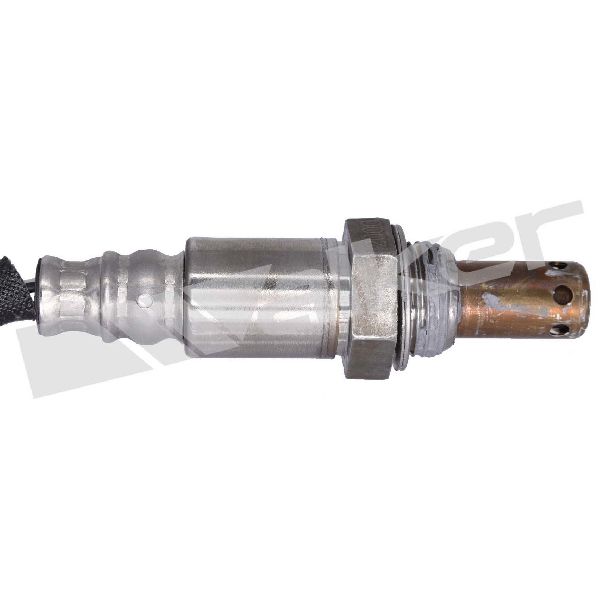
- Walker Products, Spectra, DriveWire: These brands offer a more affordable solution. While they will get the job done and turn off the check engine light, they may not offer the same longevity or precise response as the OE-equivalent brands. They can be a good choice if budget is the primary concern.
Oxygen Sensor Replacement Cost for 2011-2024 Toyota Sienna

| Part Type | Estimated Cost |
|---|---|
| New OEM (Dealer) | $180 - $400+ |
| New Aftermarket | $25 - $308 |
| Shop Labor | $100 - $250 per sensor |
Cost estimates are approximate and can vary by location and sensor position. Upstream Air/Fuel Ratio sensors are typically more expensive than downstream oxygen sensors.
Frequently Asked Questions
How many oxygen sensors does a 2011-2024 Toyota Sienna have?
The V6 engine used in the 2011-2020 Sienna has four oxygen sensors. The 4-cylinder hybrid models from 2021-2024 also have multiple sensors to monitor the engine and exhaust system. You must identify which specific sensor has failed, as they are not all the same.
What is the difference between an upstream and a downstream sensor?
The upstream sensor (Sensor 1) is also called an Air/Fuel Ratio Sensor. It is located before the catalytic converter and is responsible for fine-tuning the engine's air-fuel mixture. The downstream sensor (Sensor 2) is located after the catalytic converter and its only job is to monitor the converter's health. Upstream sensors are more complex and expensive.
Can I replace just one oxygen sensor?
Yes. You only need to replace the sensor that has failed and triggered the diagnostic trouble code. There is no need to replace them in pairs or all at once unless multiple sensors have failed.
Can I clean an oxygen sensor?
While some people attempt to clean O2 sensors, it is not a reliable or recommended repair. The sensing elements become contaminated and degraded internally over time, and cleaning the exterior will not restore their function. Replacement is the only proper fix.
Why do I still have a P0420 code after replacing the oxygen sensor?
A P0420 code means "Catalyst System Efficiency Below Threshold." While a bad downstream O2 sensor can cause this code, it can also be caused by an actual failing catalytic converter, an exhaust leak, or an issue with the upstream sensor. On 2017-2020 models, check for small exhaust leaks before assuming the converter is bad.
🎬 Watch: A complete guide to fixing the P0420 error code.Helpful Videos
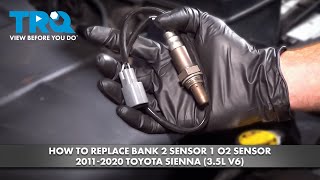
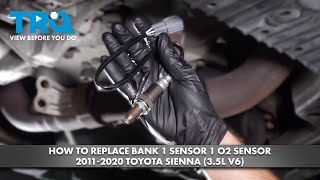
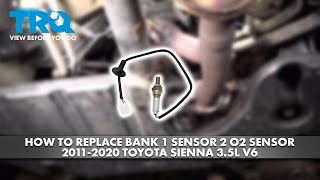
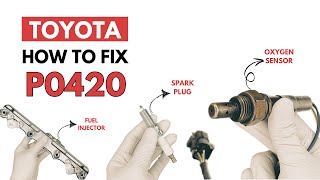
![How to Fix P0420 Engine Code in 9 Minutes [7 Methods / Only $9.99]](https://img.youtube.com/vi/lSlfTE77zjE/mqdefault.jpg)
Technical Specifications
OEM Part Numbers: 89467-08040 89465-08110 89465-08120 89465-48240
The V6 engine requires four sensors: two upstream Air/Fuel Ratio sensors and two downstream oxygen sensors. The 2021+ hybrid models use a 4-cylinder engine with a different sensor configuration. Always verify the part number for your specific vehicle year, engine, and sensor location.
We Have This Part in Stock


The information in this article is provided for general reference and educational purposes only. Vehicle specifications, procedures, and part compatibility can vary by production date, trim level, and region. Always consult your vehicle's factory service manual and verify part numbers before purchasing or performing repairs. Safety-critical components such as airbags, seat belts, and braking systems should be installed by a qualified professional.
- Toyota Sienna: