

A Ram 2500 Owner's Guide to Oxygen Sensor Replacement (2011-2024)
Understand why your check engine light is on and how to choose the right oxygen sensor for your truck.
- A check engine light, poor gas mileage, and rough running are key signs of a failing O2 sensor.
- For best results, use Mopar or premium aftermarket brands like Denso, Bosch, or NGK/NTK.
- Trucks with the 6.7L Cummins diesel have known wiring and sooting issues that can mimic a bad sensor; check for TSBs.
- Ensure you buy the correct sensor for the specific location (e.g., upstream/downstream, driver/passenger side) as they are not interchangeable.
Is Your Ram 2500 Showing Signs of a Bad Oxygen Sensor?

When an oxygen sensor starts to fail, your truck's computer gets bad information, which can cause noticeable problems. Ignoring these signs can lead to more expensive repairs down the road, like a damaged catalytic converter. Watch out for these common symptoms.
- Check Engine Light: This is the most common sign. A code scanner will often show codes related to the O2 sensor heater circuit, performance, or response (e.g., P0131, P0135, P0171).
- Poor Fuel Economy: If the sensor incorrectly tells the computer the engine is running lean (too much air), the computer will add more fuel than needed, causing you to visit the gas station more often.
- Rough Idle and Misfires: An incorrect air-fuel mixture disrupts the engine's smooth operation, leading to shaking, stumbling, or misfires, especially when idling.
- Rotten Egg Smell: A rich fuel mixture can send unburned fuel into the exhaust, where it can overheat the catalytic converter and produce a sulfur-like smell.
- Failed Emissions Test: A bad O2 sensor can prevent the engine from burning fuel cleanly, leading to a failed smog check.
Choosing the Right Aftermarket Oxygen Sensor for Your Truck

When replacing an O2 sensor on your Ram 2500, you have a choice between OEM Mopar parts and various aftermarket brands. For these trucks, using a quality part is important to avoid further issues.
Pro Tip: Upstream vs. Downstream
Your truck has multiple O2 sensors. Upstream sensors (also called Bank 1 Sensor 1 or Bank 2 Sensor 1) are before the catalytic converter and affect the air-fuel ratio. Downstream sensors (Bank 1 Sensor 2 or Bank 2 Sensor 2) are after the converter and monitor its efficiency. They are not interchangeable, as wire lengths and sometimes connectors are different. Always verify the exact location of the sensor you are replacing.
Brand Quality Tiers
Not all aftermarket brands are created equal. Here’s how they generally stack up for your Ram:
- Premium Aftermarket (OEM-Equivalent): Brands like Bosch, Denso, and NGK/NTK are often the original equipment manufacturers for Mopar. Choosing one of these brands usually gives you an identical part to the dealer's, but at a lower cost. They are highly recommended for their reliability and compatibility with your truck's sensitive electronics.
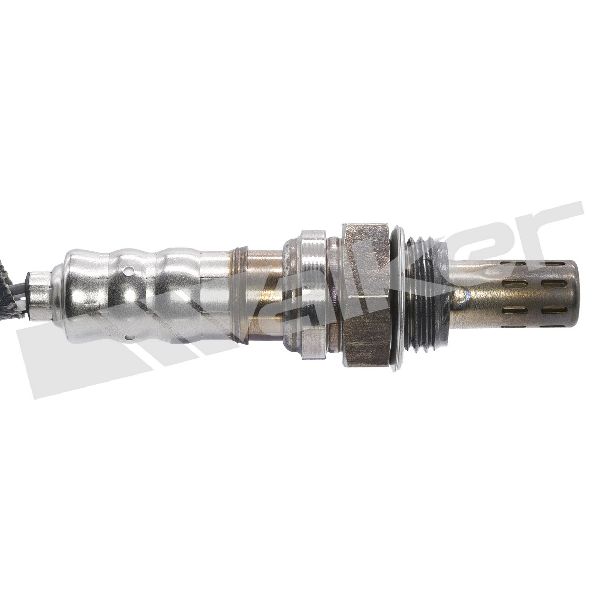
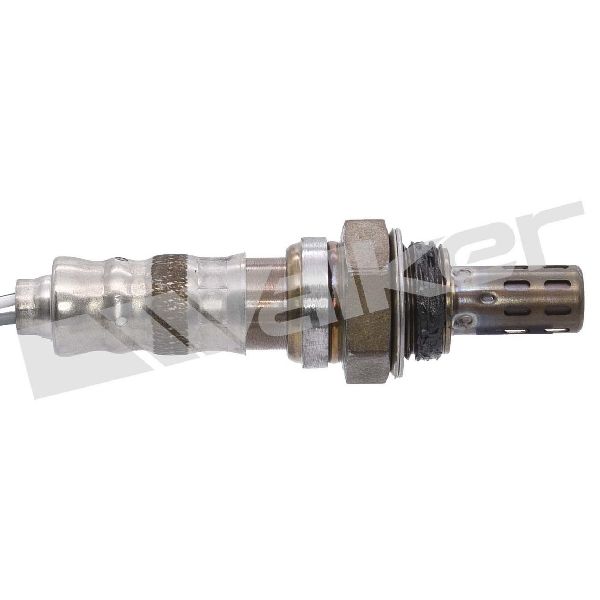
- Quality Aftermarket: Brands like Walker Products and Delphi offer reliable, direct-fit sensors that meet or exceed OEM specifications. They are a solid choice for a balance of price and quality.
- Economy Brands: Brands like DriveWire and Global Parts offer a budget-friendly option. While they are functional, some owners report a higher chance of premature failure or compatibility issues with Chrysler's computer systems. For Cummins diesel models, in particular, sticking with Mopar or an OEM-equivalent brand is strongly advised to prevent problems.
Known Issues for 2011-2024 Ram 2500

While there are no widespread safety recalls for oxygen sensors on these trucks, several Technical Service Bulletins (TSBs) have been issued, primarily for early models with the 6.7L Cummins diesel engine.
TSBs for 6.7L Cummins Diesel
Owners of 2010-2014 models may experience a check engine light with O2 sensor codes like P2A00, P2A01, P013A, and others. These issues are often related to soot fouling the sensor or problems with the wiring harness. TSBs 25-001-13 and 25-002-14 describe procedures for inspecting, cleaning, or replacing the sensors and installing a heat shield or an overlay wiring harness to fix the problem. If you have a diesel and see these codes, it's worth checking if the issue is the sensor itself or the related wiring.
Cost of Replacing a Ram 2500 Oxygen Sensor
The cost depends on whether you do it yourself or go to a shop, and which brand you choose. Your truck has up to four sensors, but you typically only replace the one that has failed.
| Part/Service | Estimated Cost |
|---|---|
| New OEM (Mopar) Sensor | $90 - $250 |
| New Aftermarket Sensor | $39 - $195 |
| Shop Labor | $100 - $200 per sensor |
| Total Professional Replacement | $140 - $450 per sensor |
Frequently Asked Questions

How many oxygen sensors does my Ram 2500 have?
Most Ram 2500 trucks with a V8 gas engine (5.7L or 6.4L Hemi) have four oxygen sensors. There is one upstream and one downstream sensor for each side (bank) of the engine. Trucks with the 6.7L Cummins diesel engine have a different configuration but typically use at least two O2 sensors in their exhaust after-treatment system.
Can I replace just one oxygen sensor?
Yes. You only need to replace the sensor that has failed. A code scanner can help you identify the specific sensor location (e.g., Bank 1 Sensor 2). However, O2 sensors have a limited lifespan, typically around 100,000 miles. If one has failed and your truck has high mileage, the others may not be far behind.
Can I replace an oxygen sensor myself?
Yes, this is a DIY-friendly job for many people. You will need a special tool called an O2 sensor socket (usually 22mm), which has a slot for the wire to pass through. The biggest challenges are often reaching the sensor and breaking it loose if it's rusted into the exhaust pipe. Always let the exhaust cool down completely before starting.
What's the difference between upstream and downstream sensors?
Upstream sensors are located before the catalytic converter and are the primary sensors used by the engine computer to adjust the air-fuel mixture. A bad upstream sensor directly impacts fuel economy and engine performance. Downstream sensors are located after the catalytic converter and mainly monitor its efficiency. While a bad downstream sensor will still trigger a check engine light, it won't cause the same performance issues as a failed upstream sensor.
Should I use an anti-seize compound on the new sensor?
Most new, high-quality oxygen sensors come with anti-seize compound already applied to the threads. If yours does not, apply a small amount of high-temperature, sensor-safe anti-seize to the threads only. Be very careful not to get any on the sensor tip, as this will contaminate it and cause it to fail.
Helpful Videos

Technical Specifications
OEM Part Numbers: 05149263AA 68307226AA 68460215AB
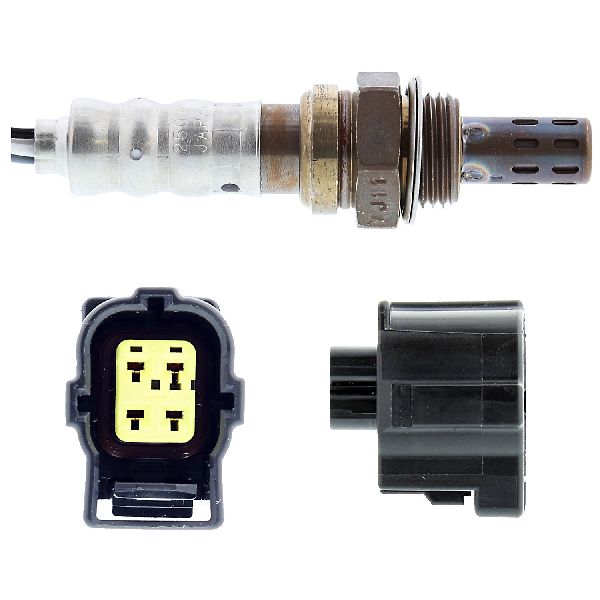
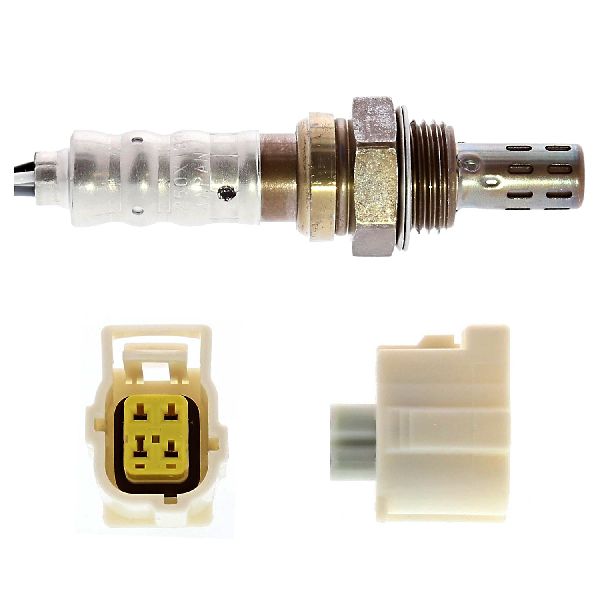
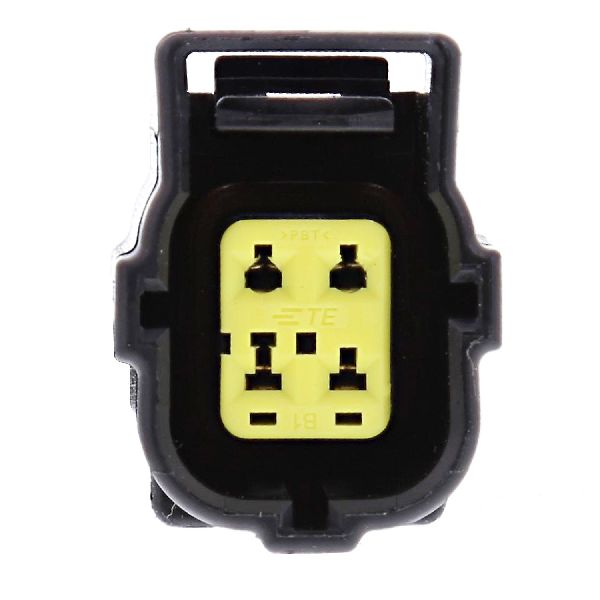
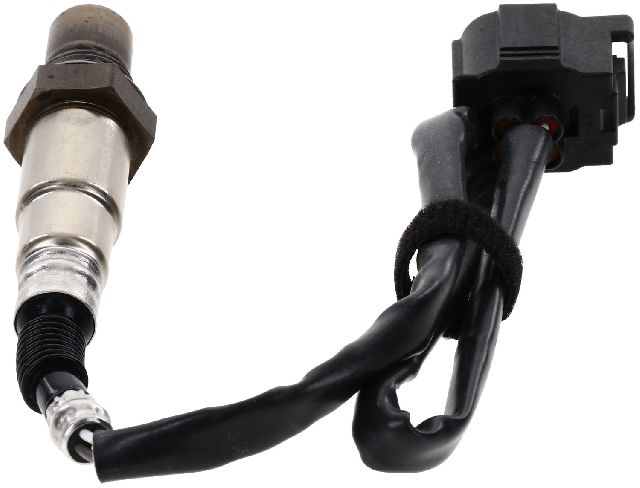
Most Ram 2500 models use heated, 4-wire oxygen sensors. The specific part number varies by engine (5.7L Hemi, 6.4L Hemi, 6.7L Cummins), model year, and sensor location (upstream/downstream and bank 1/2). Always verify the part number with your vehicle's VIN.
We Have This Part in Stock

The information in this article is provided for general reference and educational purposes only. Vehicle specifications, procedures, and part compatibility can vary by production date, trim level, and region. Always consult your vehicle's factory service manual and verify part numbers before purchasing or performing repairs. Safety-critical components such as airbags, seat belts, and braking systems should be installed by a qualified professional.
- Ram 2500: