

Jeep Grand Cherokee 2011-2024 Oxygen Sensor Replacement Guide
Fix your check engine light and restore fuel economy by choosing the right oxygen sensor for your Grand Cherokee.
- Your Grand Cherokee has four O2 sensors; use a code scanner to identify the specific one that has failed before buying a replacement.
- For best results and to avoid compatibility issues, choose an OEM-supplier brand like NTK or Denso.
- Ignoring a bad O2 sensor will hurt your fuel economy and can lead to costly damage to the catalytic converter.
- Always buy a direct-fit sensor with the correct electrical connector; do not use universal splice-in types.
Is a Bad Oxygen Sensor a Serious Problem?

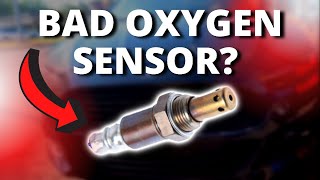
A failing oxygen sensor is a common issue that will trigger your check engine light and negatively impact your Jeep's performance. While it won't typically leave you stranded, ignoring it is a bad idea. A bad sensor sends incorrect information to the engine's computer, leading to poor fuel mileage and a rough-running engine. Over time, this can lead to expensive damage to your catalytic converters, a repair that costs significantly more than replacing an O2 sensor.
Symptoms of a Failing O2 Sensor in a Grand Cherokee

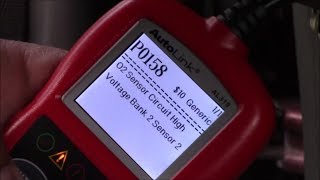
- Check Engine Light: This is the most common sign. Codes like P0135, P0158, or P2098 often point to an O2 sensor issue.
- Worse Gas Mileage: The engine computer may inject too much fuel due to incorrect sensor readings, causing you to fill up more often.
- Rough Idle or Misfires: An imbalanced air-fuel mixture can cause your engine to run poorly, hesitate, or misfire.
- Rotten Egg Smell: Excess unburnt fuel in the exhaust can create a sulfur-like smell and may even cause black smoke.
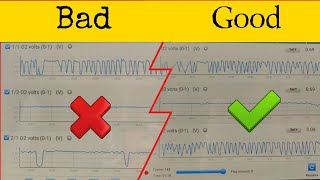
- Failed Emissions Test: A faulty O2 sensor will almost certainly cause your vehicle to fail a state emissions inspection. 🎬 Watch this breakdown of common symptoms of a bad sensor.
Choosing the Right Aftermarket O2 Sensor

When it comes to engine sensors for your Grand Cherokee, brand quality matters. While Mopar is the original equipment (OEM) part, many aftermarket brands offer excellent quality, often from the same manufacturer that supplies Mopar.
OEM Supplier Brands are a Smart Choice
For many Jeep vehicles, NTK (a brand of NGK) is the original equipment manufacturer for oxygen sensors. Choosing NTK or Denso often gets you the exact same quality as the Mopar part without the dealership price tag. These are highly recommended by Jeep owners for their reliability and compatibility.
- Tier 1 (Best): NGK/NTK, Denso. These brands are frequently the OEM suppliers. They are known for direct-fit connectors and reliable performance that matches the original part. Many Jeep enthusiasts recommend sticking with these brands to avoid issues.
- Tier 2 (Good): Bosch, Delphi. Bosch is a well-known brand that invented the O2 sensor. However, owner feedback is mixed; some have had no problems, while others report performance issues or fitment problems due to the sensor body being larger than the original. Delphi is another reputable supplier of various automotive electronics.
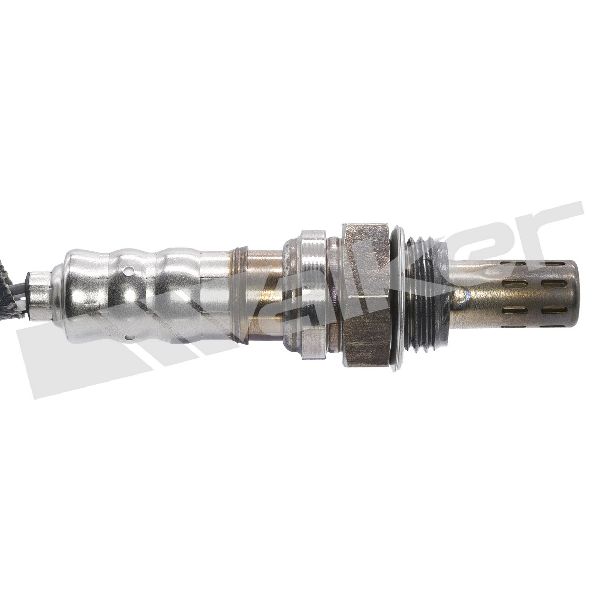
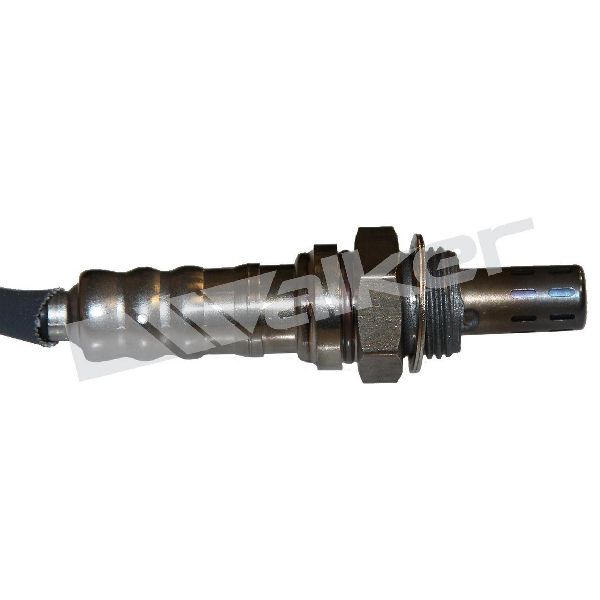
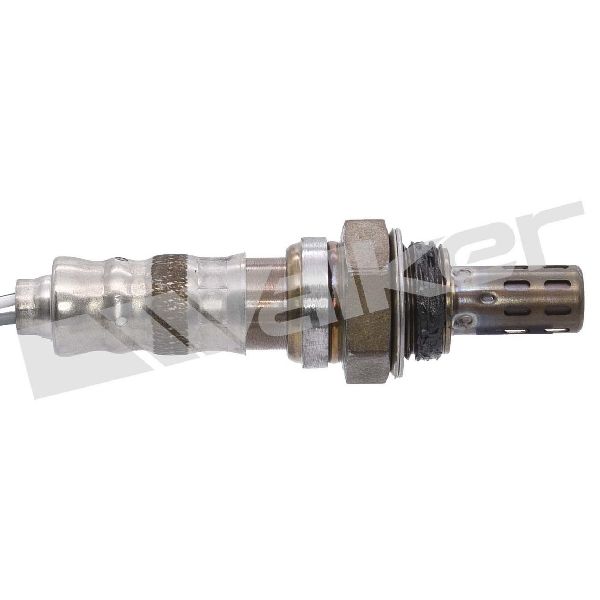
- Tier 3 (Economy): Crown Automotive, Walker Products, DriveWire. These brands offer a more budget-friendly option. Crown specializes in Jeep replacement parts. While they can work, they may not have the same longevity or precise calibration as the top-tier brands. They are a viable option if budget is the primary concern.
Avoid Universal "Splice-In" Sensors
Always choose a "direct-fit" sensor with the correct plug for your Grand Cherokee. Universal sensors that require you to cut and splice wires are prone to failure and can cause performance headaches. The small savings are not worth the potential problems.
Cost to Replace a Jeep Grand Cherokee Oxygen Sensor
| Item | Estimated Cost |
|---|---|
| New Aftermarket Part | $39.51 - $201.84 |
| New OEM (Mopar) Part | $265 - $326 |
| Shop Labor | $186 - $272 |
| Total Professional Replacement | $450 - $598 |
Frequently Asked Questions (FAQ)

How many oxygen sensors does my 2011-2024 Grand Cherokee have?
Your Grand Cherokee, whether it has a V6 or V8 engine, is equipped with four oxygen sensors. There are two upstream sensors (Bank 1 Sensor 1, Bank 2 Sensor 1) and two downstream sensors (Bank 1 Sensor 2, Bank 2 Sensor 2).
What is the difference between an upstream and a downstream sensor?
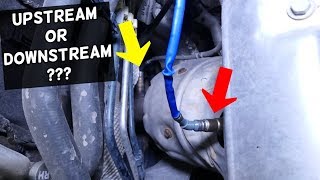
The upstream sensor is located before the catalytic converter and is the primary sensor for adjusting the air-fuel mixture. The downstream sensor is located after the catalytic converter and its main job is to monitor the converter's efficiency. They are not interchangeable.
🎬 See the visual differences between upstream and downstream sensors.Which sensor is Bank 1 vs. Bank 2?
On a Jeep Grand Cherokee, Bank 1 is the side of the engine with cylinder #1, which is the passenger side. Bank 2 is the driver's side. So, "Bank 2, Sensor 2" would be the downstream sensor on the driver's side.
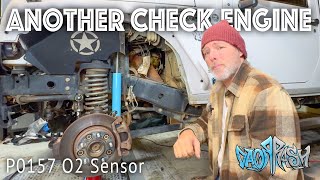
🎬 Follow this step-by-step guide to replacing a Bank 2 sensor.Can I replace just one oxygen sensor?
Yes, you only need to replace the sensor that has failed. However, O2 sensors have a similar lifespan, so if one fails, another may not be far behind. Some mechanics recommend replacing them in pairs (e.g., both upstream sensors at the same time).
Are there any recalls for Grand Cherokee oxygen sensors?
As of late 2025, there are no specific recalls issued by the NHTSA for oxygen sensor failure on the 2011-2024 Jeep Grand Cherokee. However, some Technical Service Bulletins (TSBs) have been issued for older models related to erroneous O2 sensor codes that could be fixed with a software update.
Helpful Videos
Technical Specifications
OEM Part Numbers: 234-4545 234-4547
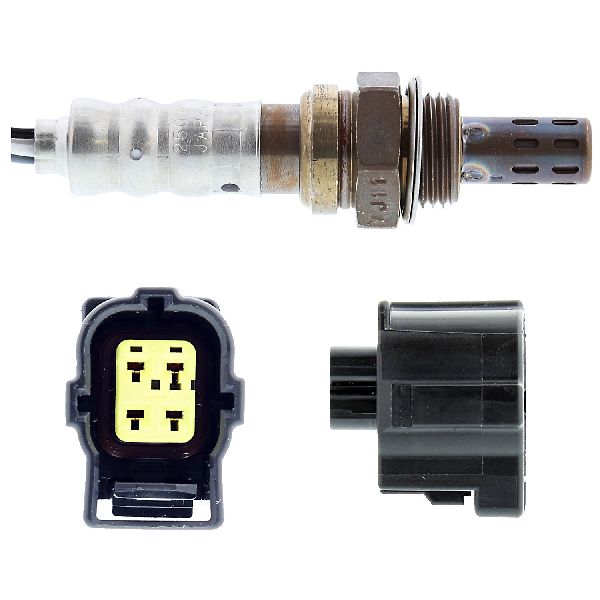
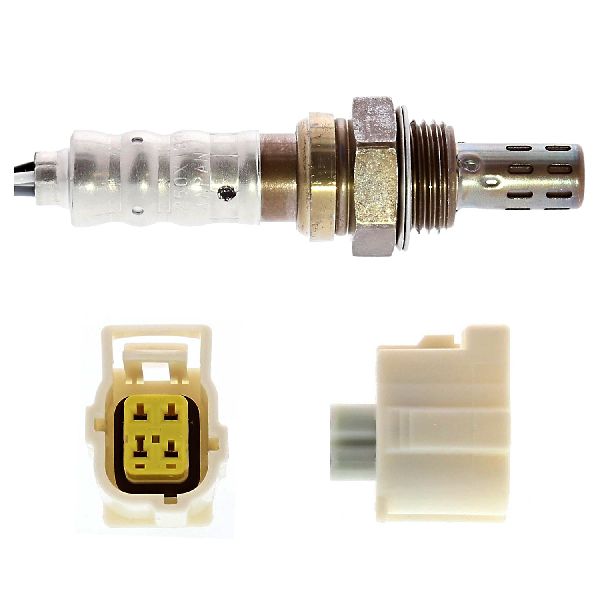
Most 2011-2024 Jeep Grand Cherokee models use four-wire heated oxygen sensors. The specific part number varies significantly based on the engine (3.6L V6, 5.7L V8, etc.), model year, and sensor location (upstream/downstream and bank 1/bank 2). Always verify the part number for your specific vehicle before purchasing.
We Have This Part in Stock


The information in this article is provided for general reference and educational purposes only. Vehicle specifications, procedures, and part compatibility can vary by production date, trim level, and region. Always consult your vehicle's factory service manual and verify part numbers before purchasing or performing repairs. Safety-critical components such as airbags, seat belts, and braking systems should be installed by a qualified professional.
- Jeep Grand Cherokee: