

Ford Mustang Engine Camshaft Position Sensor Guide (2011-2023)
Address rough idles, stalling, and check engine lights by understanding and replacing your Mustang's camshaft position sensor.
- A failing camshaft position sensor on a Mustang causes issues like hard starting, rough idle, poor acceleration, and a check engine light with codes like P0340 or P0345.
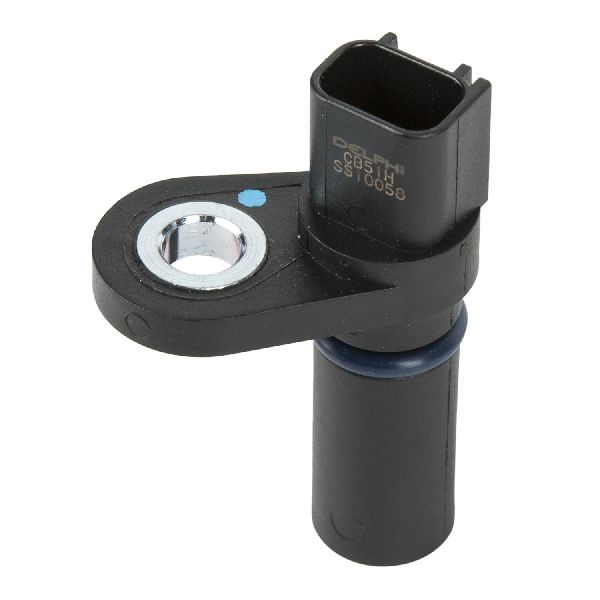
- For critical sensors, using OEM (Motorcraft) or a premium aftermarket brand like Delphi or Denso is highly recommended for reliability.
- Replacement is a simple DIY job for most sensors, typically requiring only an 8mm socket, but access to the rear sensors can be tight.
- Before replacing, check for oil in the connector and consider having the alternator tested, as these can cause similar symptoms.
Symptoms of a Failing Camshaft Position Sensor

When a camshaft position sensor starts to fail on your Mustang, the signs can range from annoying to serious. Because the sensor's data is vital for engine timing, a bad signal can cause a variety of problems. You might notice one or more of the following issues:
- Check Engine Light: This is often the first sign. The car's computer will log a trouble code, most commonly P0340, P0344, P0345, or P0349, indicating a problem with the camshaft position sensor circuit.
- Trouble Starting: The engine may crank for a long time before starting, or it might not start at all. A faulty sensor can prevent the computer from properly timing fuel and spark delivery.
- Rough Idle and Stalling: Your Mustang may idle unevenly, shake, or stall unexpectedly at stoplights or while driving. This is due to incorrect timing signals causing misfires.
- Poor Acceleration and Power Loss: You might feel a noticeable lack of power, hesitation when you press the gas, or sluggish performance. The engine isn't running 🎬 Watch this video to see common bad camshaft sensor symptoms. efficiently because the timing is off.
- Reduced Fuel Economy: When the engine's timing isn't precise, it burns more fuel than necessary, leading to more trips to the gas pump.
A Note on Alternator Issues
In some cases, particularly on earlier 5.0L models, a failing alternator can create electrical "noise" that interferes with the camshaft position sensor signal, triggering fault codes like P0345 and P0349 even when the sensor itself is good. If you've replaced the sensor and the problem persists, it's worth having your alternator tested.
🎬 See how a faulty alternator can trigger camshaft sensor codes.Choosing the Right Aftermarket Sensor

When it comes to critical engine sensors, quality matters. While saving money is tempting, a cheap, unreliable sensor can fail quickly, leaving you with the same problems. Here’s a breakdown of your options:
- OEM (Motorcraft): Ford's own brand, Motorcraft, is the benchmark for quality and a guaranteed fit. If you want to replace the part and not worry about it, Motorcraft is the safest choice. Many professional mechanics and enthusiasts recommend sticking with the original equipment manufacturer (OEM) for critical sensors to avoid compatibility and longevity issues.
- Premium Aftermarket (Delphi, Denso, NGK, Standard Ignition): Brands like Delphi and Denso are often original equipment suppliers for many car manufacturers. They engineer their parts to meet or exceed factory specifications. Standard Ignition (SMP) is another well-regarded brand that sometimes even re-boxes the exact same OEM part at a lower price. These brands offer a great balance of quality and value.
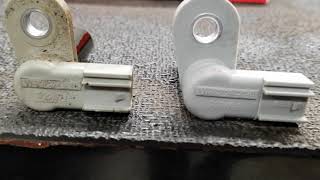
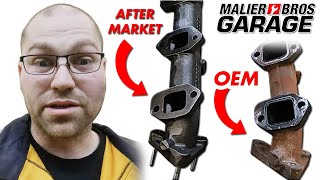
- Value Aftermarket (Dorman, Walker, Holstein, etc.): These brands provide a more budget-friendly option. While Dorman offers a wide range of parts, their quality on electronic components can be inconsistent, with some users reporting premature failures compared to OEM. For a part as critical as a camshaft sensor, opting for a value brand can be a gamble. 🎬 Compare the quality of Dorman aftermarket parts versus Motorcraft OEM. It might work fine, or it might fail sooner than a premium option.
Pro Tip: Before replacing the sensor, check the wiring connector for oil contamination. A leaking valve cover gasket can cause oil to seep into the connector, disrupting the signal and mimicking sensor failure. Cleaning the connector or replacing the pigtail might be all that's needed.
Cost to Replace a Ford Mustang Camshaft Position Sensor
| Part Type | Estimated Cost |
|---|---|
| New OEM (Motorcraft) | $50 - $115 |
| New Aftermarket | $14 - $93 |
| Shop Labor | $50 - $100 |
Note: Costs are estimates and can vary based on your location, vehicle engine, and the specific retailer or repair shop.
Frequently Asked Questions

How many camshaft position sensors does my Mustang have?
Modern Ford engines with variable valve timing, like the 5.0L Coyote and 3.7L V6, have four camshaft position sensors—one for each camshaft (intake and exhaust on both cylinder banks). The 2.3L EcoBoost also uses multiple sensors. The specific code (e.g., P0340, P0345, P0365) will help identify which sensor or bank is having an issue.
Where are the camshaft position sensors located?
The sensors are mounted on the cylinder heads, typically near the front or rear of the valve covers. For example, on many 5.0L GT models, two are on the front of the engine and two are on the back, near the firewall, which can be harder to reach. The replacement itself is simple, usually involving a single 8mm bolt.
Is this a difficult DIY job?
For most of the sensors, no. It's a very DIY-friendly task. The sensors are typically held in by a single 8mm bolt and have a simple electrical connector. The biggest challenge is access, especially for the sensors at the rear of the engine. The job requires basic hand tools and can often be done in under 30 minutes per sensor.
Are there any recalls for this part?
There are no specific recalls for the camshaft position sensor itself on the 2011-2023 Mustang. However, there was a recall (NHTSA ID: 22V-382) for some 2019-2020 Mustangs with the 5.0L engine and manual transmission for a Powertrain Control Module (PCM) software issue. This software problem could cause various features to disable, and while not directly a sensor recall, it highlights the importance of the PCM in the system. Always check for recalls using your vehicle's VIN on the NHTSA or Ford website.
Should I replace all four sensors at once?
It's not strictly necessary. The diagnostic trouble code will usually point to the specific sensor that is failing. However, if one sensor has failed due to age and heat exposure, the others may not be far behind. If your budget allows and you want peace of mind, replacing them as a set (or at least in pairs on the same bank) is a reasonable preventative measure.
Helpful Videos
Technical Specifications
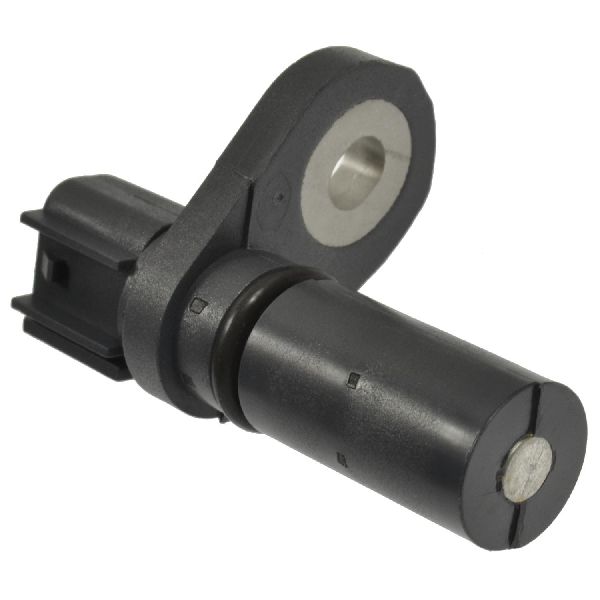
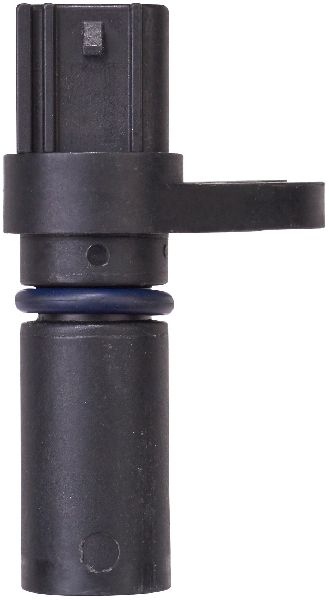
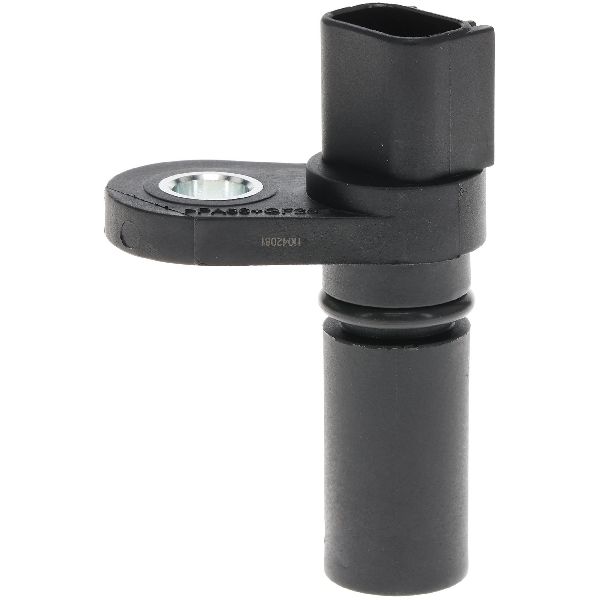
OEM Part Numbers: DU90 DU100
Hall Effect sensor held by one 8mm bolt. Modern Mustang engines (5.0L, 3.7L, 2.3L) use four separate sensors.
We Have This Part in Stock


The information in this article is provided for general reference and educational purposes only. Vehicle specifications, procedures, and part compatibility can vary by production date, trim level, and region. Always consult your vehicle's factory service manual and verify part numbers before purchasing or performing repairs. Safety-critical components such as airbags, seat belts, and braking systems should be installed by a qualified professional.
- Ford Mustang: