

Audi A6 Quattro Engine Coolant Temperature Sensor Guide (2011-2023)
An essential guide to diagnosing and replacing the engine coolant temperature sensor on your C7 or C8 Audi A6 Quattro.
- A faulty ECT sensor can cause a Check Engine Light, poor fuel economy, black smoke, and overheating.
- Labor costs vary drastically between the 2.0T and 3.0T engines due to sensor location.
- For reliability, choose OEM-quality aftermarket brands like Hella, Vemo, Delphi, or NGK.
- Check for an open safety recall on the electric coolant pump for 2012-2017 2.0T models.
Is Your Audi A6 Quattro's Temperature Gauge Acting Up?

A faulty Engine Coolant Temperature (ECT) sensor can cause a range of confusing problems, from a check engine light to poor fuel mileage. Because this sensor provides critical data to the engine computer, a bad signal can make the car behave as if it has more serious mechanical issues. Understanding the symptoms and knowing how to choose the right replacement part is key to a quick and effective repair.
Symptoms of a Failing ECT Sensor

When the ECT sensor fails, it can send incorrect signals or no signal at all. Here are the most common signs A6 Quattro owners should watch for:
🎬 Watch: 6 common signs of a bad coolant temperature sensor- Check Engine Light: This is often the first sign. The ECU will log fault codes like P0117 (Circuit Low), P0118 (Circuit High), or P0116 (Range/Performance).
- Poor Fuel Economy: If the sensor incorrectly tells the ECU the engine is cold, the computer will enrich the fuel mixture, causing the car to use more gas than necessary.
- Black Smoke from Exhaust: A direct result of an overly rich fuel mixture. Unburned fuel exits through the exhaust, creating visible black smoke.
- Engine Overheating: A failed sensor might not signal the cooling fans to turn on when the engine gets hot, leading to overheating.
- Erratic Temperature Gauge: The needle on your dashboard may jump around, read very high or very low, or not move at all.
- Cooling Fans Run Constantly: The sensor might send a permanent 'hot' signal, causing the fans to run continuously, which can drain your battery.
Known Issues: Recalls and Service Bulletins
Coolant Pump Recall: While not the sensor itself, there is a major safety recall (NHTSA ID: 18V229) for the electric after-run coolant pump on some 2012-2017 A6 models with the 2.0L TFSI engine. This pump can short-circuit and pose a fire risk. It is critical to ensure this recall has been performed on your vehicle.
TSB for ECT Circuit: Audi issued Technical Service Bulletin 2077593_2 for a P011600 code (Engine Coolant Temperature Sensor 1 Circuit Range/Performance). This issue may require a software update for the engine control module, not a sensor replacement. Always have a technician check for applicable TSBs before replacing parts.
Choosing the Right Aftermarket Sensor

For a critical electronic part on an Audi, quality matters. While an OEM sensor from a dealer is a safe bet, it's also the most expensive. High-quality aftermarket sensors can offer the same performance for a fraction of the price.
OEM-Quality Brands: These brands are often the original equipment manufacturers for Audi and other German automakers. They represent the highest tier of aftermarket quality.
- Hella, Vemo, Delphi: Widely recognized as OEM suppliers. Choosing one of these brands is the closest you can get to dealer quality.
- NGK/NTK & Bosch: Top-tier electronics manufacturers known for producing reliable sensors that meet or exceed OEM specifications.
Trusted Aftermarket Brands: These brands focus on providing parts that match original specifications and are a solid, reliable choice.
- Standard Ignition (SMP), Beck Arnley, Holstein: These companies have a long history of producing dependable replacement parts. Forum discussions and reviews often show positive results for these brands on German vehicles.
Value Brands: While more budget-friendly, quality can be less consistent. For a sensor that plays a key role in engine management, it's generally recommended to invest in an OEM-quality or trusted aftermarket brand to avoid premature failure and performance issues.
| Part Type | Estimated Cost |
|---|---|
| New OEM (Dealer) | $75 - $150 |
| New Aftermarket | $13 - $65 |
| Shop Labor | $100 - $500+ (Varies greatly by engine) |
A Note on Labor Costs
The cost to replace the ECT sensor varies dramatically depending on your A6's engine. On the 2.0T engine, the sensor is more accessible at the rear of the engine. However, on the 3.0T V6 engine, the sensor is located on the thermostat housing, which sits under the supercharger. This requires removing the supercharger, a much more labor-intensive and expensive job.
Frequently Asked Questions

Where is the ECT sensor located on my Audi A6 Quattro?
The location depends on your engine. For the 2.0T engine, it is typically found on a coolant flange at the back of the engine. 🎬 See this 2.0T coolant temperature sensor replacement walkthrough For the 3.0T supercharged V6, it is part of the thermostat assembly located under the supercharger at the front of the engine valley. 🎬 Watch: 3.0T thermostat and sensor replacement guide Always consult a repair manual for your specific model year and engine.
Can I replace the ECT sensor myself?
For A6 models with the 2.0T engine, a skilled DIYer can often perform the replacement, though access can be tight. For models with the 3.0T engine, the job is significantly more complex due to the need to remove the supercharger and is best left to a professional mechanic unless you have advanced experience.
How many coolant temperature sensors does my A6 have?
Most Audi A6 models in this year range have at least two ECT sensors. One is the primary sensor (often called G62) that sends information to the ECU for engine management. Another sensor (often called G83) is typically located at the radiator outlet and provides data for cooling fan control. A diagnostic scan is needed to determine which sensor has failed.
Will a bad ECT sensor cause my car to fail an emissions test?
Yes, it is very likely. A faulty ECT sensor will almost certainly trigger the Check Engine Light, which is an automatic failure for an emissions test. Furthermore, the incorrect fuel mixture caused by the bad sensor can lead to high levels of pollutants in the exhaust.
Helpful Videos

Technical Specifications
OEM Part Numbers: 079-919-523-J
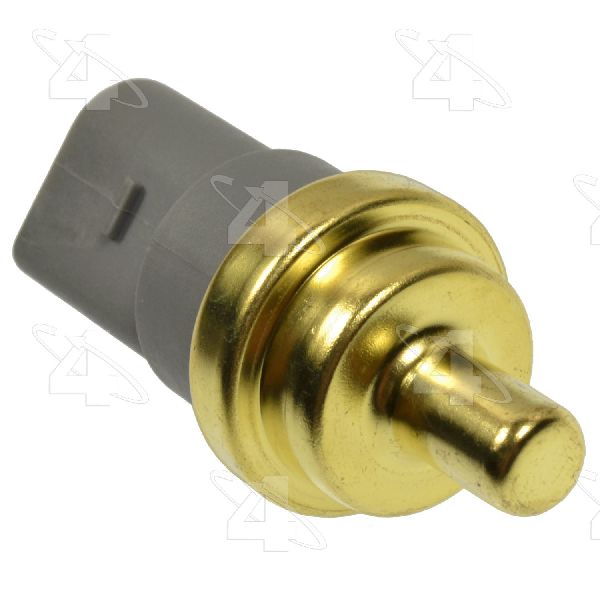
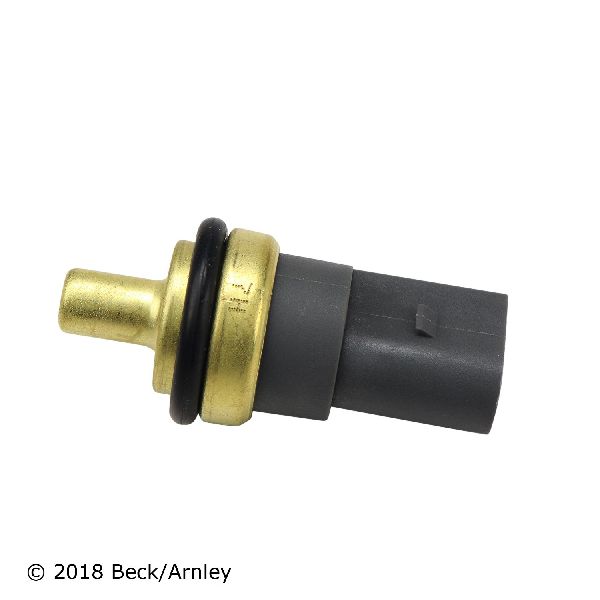
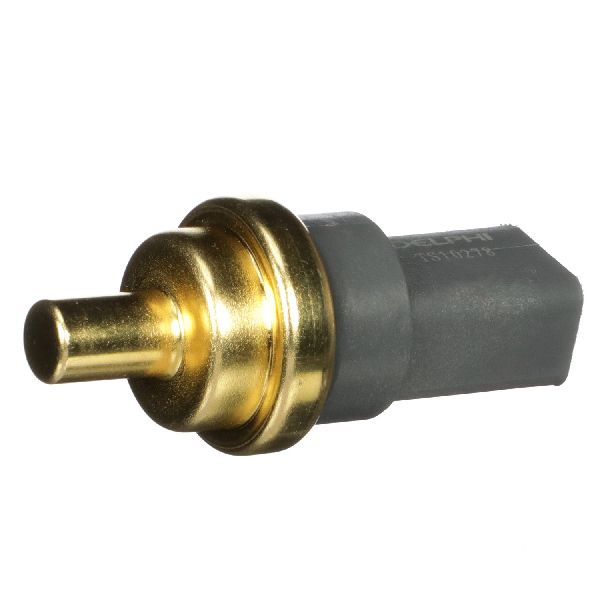
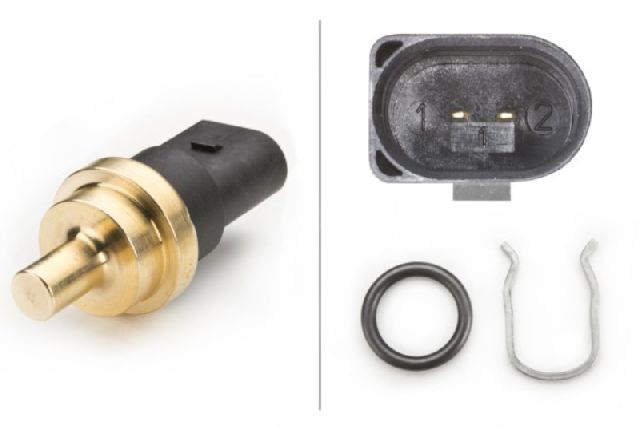
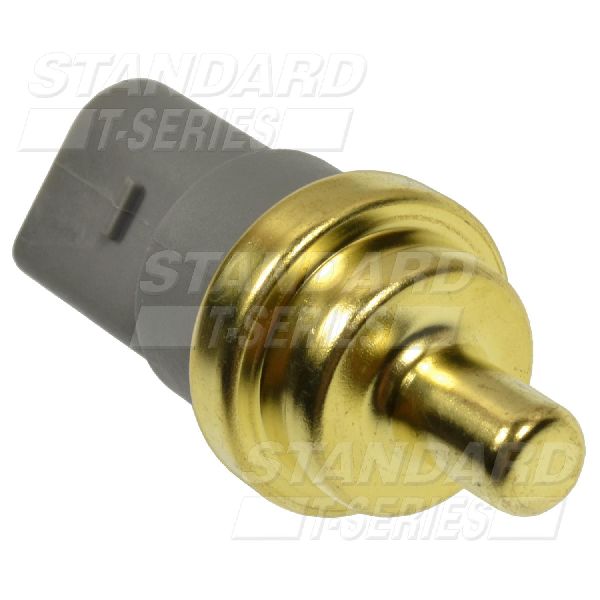
The Engine Coolant Temperature sensor is a thermistor that is typically held in place with a plastic clip and sealed with a rubber O-ring. The number of electrical pins (usually 2 or 4) can vary.
We Have This Part in Stock


The information in this article is provided for general reference and educational purposes only. Vehicle specifications, procedures, and part compatibility can vary by production date, trim level, and region. Always consult your vehicle's factory service manual and verify part numbers before purchasing or performing repairs. Safety-critical components such as airbags, seat belts, and braking systems should be installed by a qualified professional.
- Audi A6 Quattro: