

Ram 1500 Coolant Temperature Sensor Guide for 2011-2020 Models
Having issues with your Ram 1500's temperature gauge or fuel economy? Your coolant sensor might be the culprit.
- A bad coolant sensor can cause a check engine light, poor fuel economy, and overheating.
- For the 5.7L Hemi, the sensor is easy to access; for the 3.6L V6, it's hidden behind the driver's side wheel well liner.
- This is a DIY-friendly repair, but be prepared to replace a small amount of lost coolant.
- While there are no direct recalls for this sensor, related cooling system recalls exist for some model years.
Is Your Ram 1500's Coolant Temp Sensor Failing?

A bad Engine Coolant Temperature (ECT) sensor can cause a surprising number of problems. Because the truck's computer relies on this sensor's data, a false reading can make the engine behave as if it's always cold or constantly overheating. This can lead to a check engine light, poor performance, and even prevent your truck from passing an emissions test.
Symptoms of a Bad Coolant Temperature Sensor

When the ECT sensor fails, it can send incorrect signals to the engine computer. This can result in several noticeable issues:
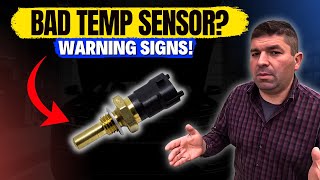
🎬 Watch a breakdown of common bad coolant sensor symptoms- Check Engine Light: This is the most common symptom. The computer will store trouble codes like P0117, P0118, or P0128.
- Poor Fuel Economy: If the sensor incorrectly tells the computer the engine is cold, it will use a richer fuel mixture, wasting gas.
- Engine Overheating: A sensor that fails to report a hot engine won't trigger the cooling fans, which can cause the engine to overheat.
- Black Smoke from Exhaust: A very rich fuel mixture can lead to unburnt fuel burning in the exhaust pipe, creating black smoke.
- Rough Idle: An incorrect fuel mixture can cause the engine to shake or run poorly at idle.
A Note on Code P0128
While code P0128 (Coolant Temperature Below Thermostat Regulating Temperature) can be caused by a bad sensor, it is more often triggered by a thermostat that is stuck open. If you see this code, it's wise to inspect the thermostat as well.
Choosing the Right Aftermarket Sensor

When replacing a critical part like the ECT sensor, quality is important. While OEM Mopar parts are a reliable choice, high-quality aftermarket brands can offer similar performance at a lower cost. Inexpensive, low-quality sensors may not be calibrated correctly, leading to inaccurate readings that can cause performance issues right out of the box. For a part this important and affordable, it's best to stick with a reputable replacement brand to avoid the hassle of doing the job twice.
| Part Type | Estimated Cost |
|---|---|
| New OEM (Mopar) | $45 - $75 |
| New Aftermarket (Replacement) | $20 - $40 |
| Shop Labor | $83 - $121 |
Known Issues, Recalls, and TSBs
There are no major recalls or Technical Service Bulletins (TSBs) specifically for the engine coolant temperature sensor on 2011-2020 Ram 1500 gasoline engines. However, a related recall (NHTSA 13V177000) was issued for some 2013 Ram 1500s with the 3.6L V6 for a faulty coolant bypass valve that could prevent the heater from working. Another recall (NHTSA 19V-757) affected 2014-2019 models with the 3.0L EcoDiesel for an EGR cooler issue, which does not apply to gasoline engines.
Frequently Asked Questions (FAQ)

Where is the ECT sensor located on my Ram 1500?
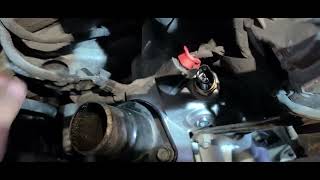
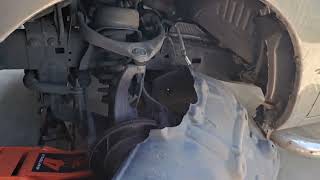
The location depends on your engine. On the 5.7L Hemi, it's on the front of the engine near the water pump and thermostat housing. For the 3.6L V6, it's in a tougher spot on the driver's side of the engine block toward the rear; access is much easier if you remove the driver's side front wheel and fender liner.
🎬 Video guide for finding the sensor on 3.6L V6 enginesCan I replace the sensor myself?
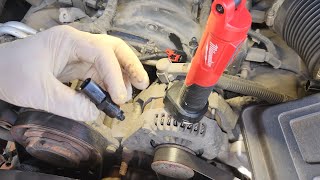
Yes, this is a DIY-friendly job for most home mechanics. It involves unplugging the electrical connector, unscrewing the old sensor, and quickly installing the new one to minimize coolant loss. For the 3.6L V6, it is more involved due to the location.
Should I drain the coolant before starting?
You don't have to drain the entire system. Some coolant will leak out when you remove the old sensor. To minimize the mess, have the new sensor ready to screw in immediately after you remove the old one. Make sure the engine is completely cool before you start.
Is it better to buy an OEM or aftermarket sensor?
For critical sensors, many mechanics prefer OEM parts for their proven reliability. However, a quality aftermarket sensor from a known brand can be a cost-effective and reliable alternative. Avoid the cheapest options, as their accuracy can be questionable.
Helpful Videos
Technical Specifications
OEM Part Numbers: 5149077AB 68164627AA 5149096AB 68217702AC
The sensor is a thermistor that measures coolant temperature and sends a variable resistance signal to the Powertrain Control Module (PCM). It is typically made of brass or a combination of plastic and metal, and includes a seal or pre-applied thread sealant.

The information in this article is provided for general reference and educational purposes only. Vehicle specifications, procedures, and part compatibility can vary by production date, trim level, and region. Always consult your vehicle's factory service manual and verify part numbers before purchasing or performing repairs. Safety-critical components such as airbags, seat belts, and braking systems should be installed by a qualified professional.
- Ram 1500: