

Chevrolet Impala Crankshaft Position Sensor Guide (2011-2020)
Is your Impala stalling, running rough, or refusing to start? The crankshaft sensor is a likely cause.
- A failing sensor will cause stalling, no-starts, or a rough running engine, often with a P0335 or P0336 trouble code.
- Driving is not recommended as the engine can stall at any time, creating a significant safety risk.
- The sensor is difficult to access, leading to higher labor costs; a moderately skilled DIYer can perform the replacement in about 1.5-2 hours.
- A crankshaft variation relearn procedure with a scan tool is required after replacement for optimal performance.
Is Your Impala Stalling or Hard to Start?

A failing crankshaft position sensor is a common problem that can leave your 2011-2020 Chevrolet Impala stranded. Symptoms often show up suddenly. They can range from a simple Check Engine Light to the engine cutting out while you drive. Knowing the signs can help you fix the problem before it gets worse.
Key Failure Symptoms

When this sensor fails, it can't send the right information to your car's computer. This can cause several noticeable problems.
- Check Engine Light: This is usually the first sign. A code reader will often show codes P0335 or P0336.
- Engine Won't Start: The engine will turn over (crank) but won't fire up. The computer doesn't know when to send spark and fuel.
- Intermittent Stalling: This is a dangerous symptom. The engine may shut off without warning while you are driving, possibly as the sensor gets hot and its internal parts fail.
- Rough Idle and Misfires: Your Impala might shake or run poorly at a stoplight because the engine timing is off.
- Poor Acceleration: The car may feel sluggish or hesitate when you press the gas pedal.
Check the Wiring First!
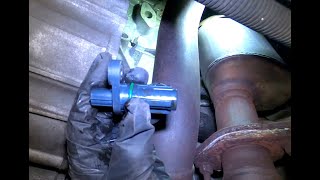
🎬 See how to access and replace the sensor on older models.On many GM vehicles, including the Impala, the wiring harness leading to the sensor can be damaged by engine oil leaks or heat. The insulation on the wires can crack, causing them to short out. Before replacing the sensor, always inspect the connector and wires for any signs of damage or oil saturation. Sometimes, a wiring repair is all that's needed.
Choosing the Right Aftermarket Sensor

When you shop for a new crankshaft position sensor, you will find OEM and aftermarket options. For a critical part like this, quality matters.
- OEM (ACDelco): This is the original part your Impala was built with. It offers proven reliability and fit, but is usually the most expensive option.
- Premium Aftermarket (e.g., Delphi, NTK): These brands are known for making high-quality parts that often meet or exceed original specifications. They are a reliable choice and often cost less than OEM.
- Value Aftermarket (Store Brands/"Replacement"): These are the most affordable options. While they can work, their long-term reliability can be a gamble. For a sensor that can leave you stranded, it is often worth spending a little more for a premium aftermarket or OEM part to avoid future problems.
Cost to Replace a Chevrolet Impala Crankshaft Sensor
The total cost depends on who does the work and the part you choose. The sensor's location makes the job more difficult, which increases labor costs.
| Part/Service | Estimated Cost |
|---|---|
| New OEM Part (ACDelco) | $60 - $90 |
| New Aftermarket Part | $35 - $70 |
| Shop Labor | $150 - $250 |
| Total Professional Replacement | $185 - $340 |
Cost estimates are approximate and can vary by location and vehicle engine type.
Don't Forget the Relearn Procedure
After replacing the crankshaft sensor, your Impala's computer needs to be recalibrated to the new sensor. This is called a "Crankshaft Position System Variation Learn" procedure. This requires a professional-grade scan tool and is necessary for the engine to run smoothly and avoid setting new trouble codes.
Frequently Asked Questions

Where is the crankshaft sensor on a 2011-2020 Impala?
The sensor is located on the lower, firewall-side of the engine block. To access it, a technician will usually need to lift the car, remove the passenger-side front wheel, and take off an exhaust heat shield. It is in a tight spot, making it difficult to reach.
Can I replace this sensor myself?
This is a challenging job for a beginner. It requires safely lifting and supporting the vehicle, and working in a cramped space near the hot exhaust system. It is possible for an experienced DIYer with the right tools (like jack stands, socket extensions, and swivel joints), but most owners will prefer to have a professional mechanic do the job.
🎬 Watch this step-by-step replacement guide for the 2015 Impala.What happens if I don't replace a bad sensor?
Ignoring a bad crankshaft sensor is not recommended. The engine can stall at any time, which is a serious safety risk in traffic. Eventually, the sensor will fail completely, and your car will not start at all, leaving you stranded.
Does the engine type matter for this part?
Yes. The 2011-2020 Impala came with different engines, primarily the 3.6L V6 and the 2.5L 4-cylinder in later years. While the sensor's function is the same, the exact part number and location may vary slightly. Always confirm the part fits your specific year and engine before buying.
Helpful Videos
Technical Specifications
OEM Part Numbers: 12615626 12590954 12653231
This is a Hall Effect sensor that reads the position of the crankshaft reluctor wheel. It is a three-wire sensor that sends a digital square-wave signal to the ECM.

The information in this article is provided for general reference and educational purposes only. Vehicle specifications, procedures, and part compatibility can vary by production date, trim level, and region. Always consult your vehicle's factory service manual and verify part numbers before purchasing or performing repairs. Safety-critical components such as airbags, seat belts, and braking systems should be installed by a qualified professional.
- Chevrolet Impala: