

A Guide to the Engine Camshaft Position Sensor for the 2011-2020 Audi A4 Quattro
Understanding why your Audi A4 Quattro might be running rough, stalling, or showing a check engine light.
- A check engine light with codes P0340-P0346 is a strong indicator of a camshaft position sensor issue.
- Symptoms include rough idle, stalling, hard starting, and poor acceleration.
- Before replacing the sensor, check for oil leaks from the valve cover, as this is a common cause of failure.
- A fault code does not always mean the sensor is bad; the issue could be wiring or a related part like the cam adjuster solenoid.
Is Your Audi A4 Stalling or Running Rough? It Could Be the Camshaft Sensor.


If your 2011-2020 Audi A4 Quattro is suddenly hard to start, idling poorly, or even stalling, a failing engine camshaft position sensor could be the culprit. This sensor is critical for engine timing, and when it fails, it can cause a range of noticeable problems. Understanding these symptoms can help you diagnose the issue correctly and choose the right replacement part.
Symptoms of a Failing Camshaft Position Sensor
A bad camshaft position sensor can mimic other engine problems, but it has several common signs:
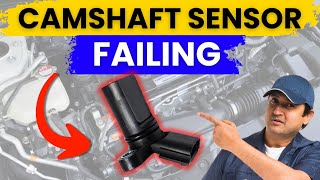
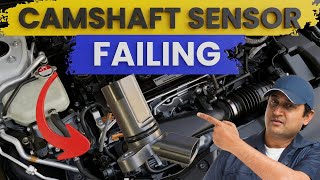
🎬 Watch: 11 common symptoms of a failing camshaft sensor- Check Engine Light: This is often the first and most obvious sign. A scanner will typically show codes like P0340, P0341, or others in that range.
- Difficulty Starting: The engine may crank for a long time before starting, or it might not start at all.
- Rough Idle and Stalling: The engine may vibrate or shake at idle and can shut off unexpectedly, which can be dangerous if it happens while driving.
- Poor Engine Performance: You might notice a lack of acceleration, engine hesitation, sputtering, and an overall loss of power.
- Reduced Fuel Economy: When the ECU can't time the engine correctly, it often uses more fuel than necessary.
A Warning About Diagnostic Codes
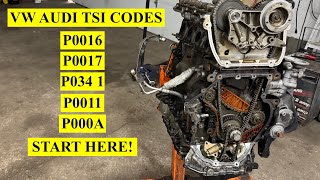
While codes like P0341 point to the camshaft sensor circuit, the sensor itself isn't always the problem. Audi has issued Technical Service Bulletins (TSBs) for related codes (like P0016) that are caused by a faulty cam adjuster solenoid, not the sensor. Forum users also report that issues like worn timing chains or damaged wiring can trigger these codes. Always diagnose thoroughly before replacing parts.
🎬 See the top 3 reasons for timing related codesChoosing the Right Aftermarket Sensor
For a critical sensor on a German vehicle, part quality matters. While a cheap sensor might seem tempting, it can fail quickly or provide inaccurate readings, leading to more diagnostic headaches. Here’s a breakdown of your options:
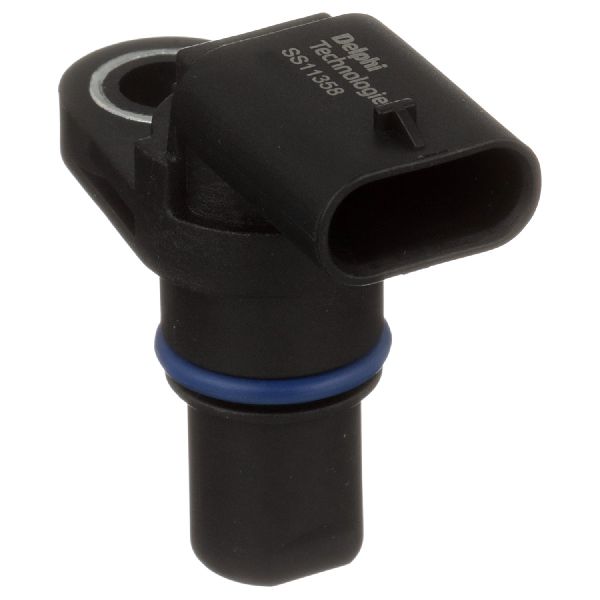
- Premium Aftermarket (OEM-Equivalent): Brands like Hella, Hitachi, and Delphi often supply parts directly to automakers. These offer the best fit and reliability outside of a genuine Audi part. While reviews for Delphi can be mixed, it is generally considered a reliable choice.
- Trusted Aftermarket: Brands like Standard Ignition, NGK, Walker Products, and Holstein have a long history of producing reliable aftermarket components. They are a solid middle ground, offering good quality at a fair price.
- Budget Brands: Lesser-known brands may offer the lowest price, but their quality can be inconsistent. For a part this critical, saving a few dollars here could lead to a larger repair bill later if the part fails prematurely.
Pro Tip: Before installing a new sensor, check the area for oil leaks. A common issue on the 2.0T engine is a leaking valve cover gasket or other seals. An oil leak can damage the sensor's wiring or the sensor itself, so you must fix the leak to prevent the new part from failing too.
| Part/Service | Estimated Cost |
|---|---|
| New Aftermarket Part | $22.69 - $74.03 |
| New OEM Part | $80 - $180 |
| Shop Labor | $100 - $250 |
| Total Professional Replacement | $180 - $430+ |
Frequently Asked Questions (FAQ)
How many camshaft position sensors does my Audi A4 have?
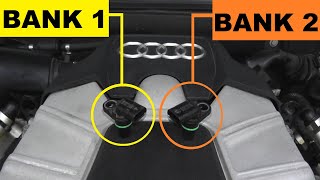
The 2.0L TFSI engine in the 2011-2020 A4 Quattro has two camshafts (intake and exhaust) and uses at least two camshaft position sensors. When you get a fault code, it will usually specify which sensor is having an issue (e.g., Bank 1).
Can I replace the sensor myself?
Yes, this is a DIY-friendly job for many owners. The sensors are located on the top of the engine and are typically held in by a single T30 Torx bolt. One sensor is usually easy to access, while the other may be partially hidden by other components, making it more challenging. The job requires basic hand tools and should take less than an hour.
🎬 Watch this step-by-step Audi A4 camshaft sensor replacement guideShould I replace both sensors at the same time?
It's not strictly necessary. If only one sensor has failed, you can replace just that one. However, since they are the same age and have endured the same conditions, many owners choose to replace them in pairs as preventative maintenance, especially given the low cost of the part.
What happens if I ignore a bad camshaft sensor?
Ignoring the problem can lead to more severe issues. Your car will continue to run poorly, get bad gas mileage, and could stall at any time. Eventually, the sensor signal may become so weak that the car will not start at all, leaving you stranded.
Helpful Videos

Technical Specifications
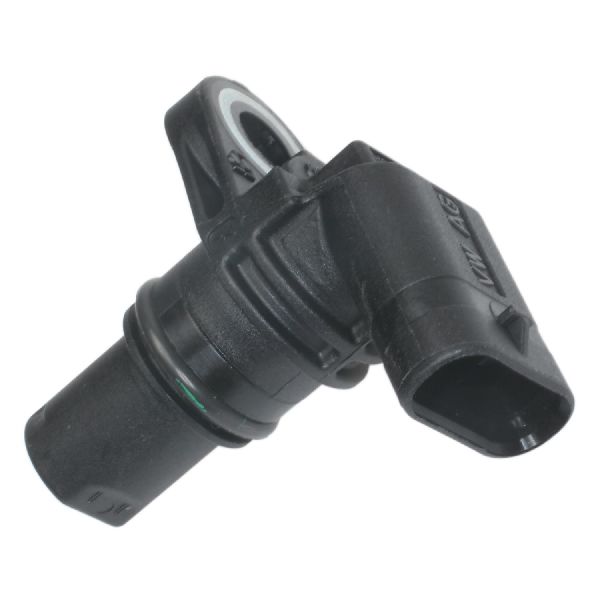
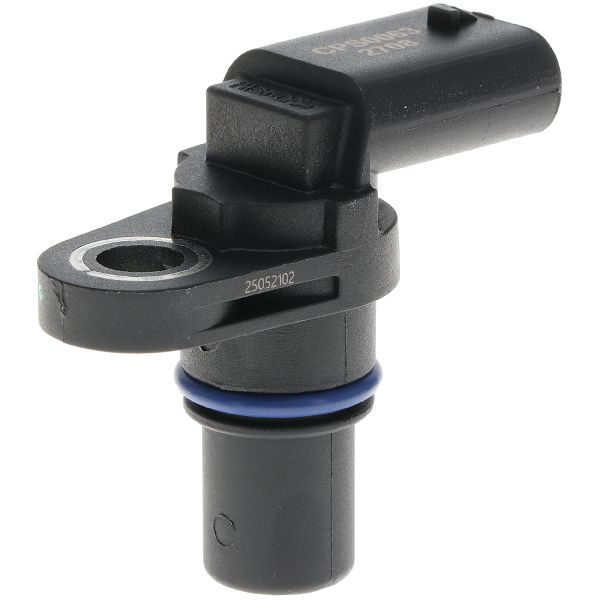
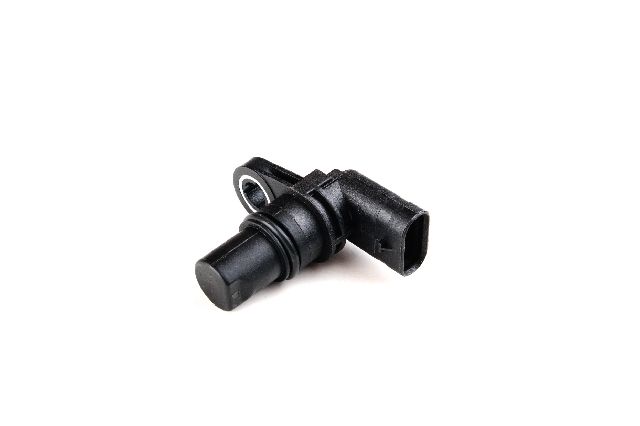
OEM Part Numbers: 04C-907-601-K 04C-907-601-L 04C-907-601-B 04C-907-601
This is a three-wire Hall-effect sensor that provides a digital square-wave signal to the ECU. The 2.0T engine uses at least two of these sensors, one for the intake camshaft and one for the exhaust camshaft.
We Have This Part in Stock


The information in this article is provided for general reference and educational purposes only. Vehicle specifications, procedures, and part compatibility can vary by production date, trim level, and region. Always consult your vehicle's factory service manual and verify part numbers before purchasing or performing repairs. Safety-critical components such as airbags, seat belts, and braking systems should be installed by a qualified professional.
- Audi A4 Quattro: