

A Guide to the 2011-2020 Audi A4 Engine Oil Pressure Switch
Understanding the signs of a failing oil pressure switch is the first step to preventing serious engine damage.
- Never drive your Audi A4 if the red oil pressure warning light is on; stop the engine immediately.
- A faulty switch is a common cause of a false oil pressure warning, but always verify the oil level first.
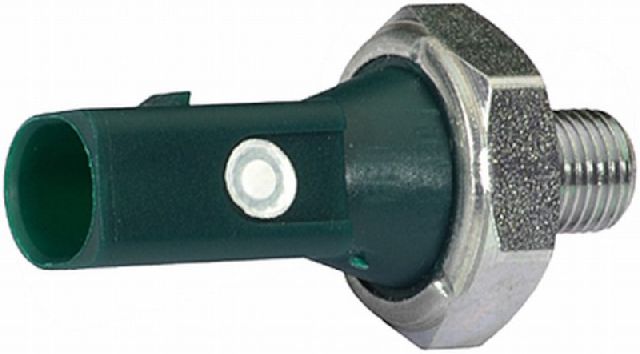
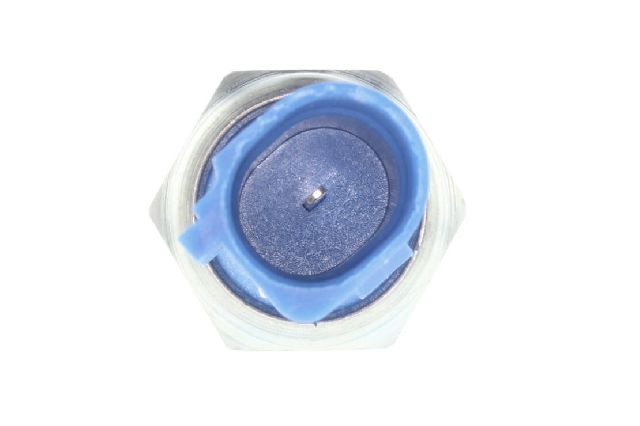
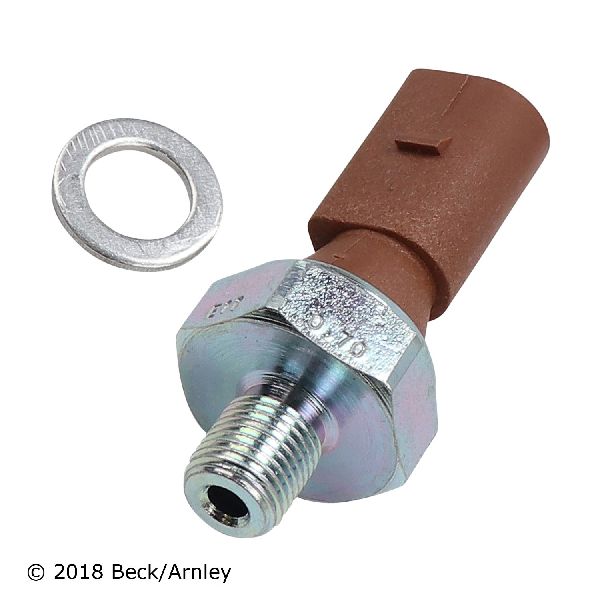
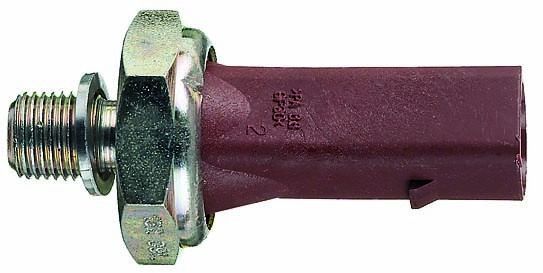
- Most 2.0T A4s use two switches (brown and blue); it's best practice to replace both at the same time.
- For this critical part, consider OEM-equivalent aftermarket brands like Hella or Vemo for better reliability.
Is Your Audi A4 Oil Pressure Light On?

The oil pressure warning light on your dashboard is one of the most serious warnings you can see. While the cause can be as simple as a faulty sensor, it can also indicate a true low oil pressure condition that will quickly lead to catastrophic engine damage. If the light comes on, especially if you hear any new noises like clattering or knocking, pull over and shut off the engine immediately. If the engine sounds normal and the oil level is correct, there's a strong possibility the switch itself has failed.
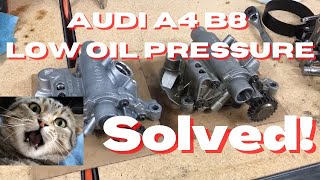
🎬 See how to fix the Audi A4 red oil pressure lightWarning: Do Not Drive With an Oil Pressure Light
Never ignore a red oil pressure warning. Driving without sufficient oil pressure, even for a short time, can destroy your engine. It is always best to stop the vehicle and diagnose the problem. While a faulty switch is a common issue, you cannot risk it being a more serious problem like a failing oil pump.
Choosing the Right Aftermarket Oil Pressure Switch

When replacing a critical sensor, quality matters. Aftermarket parts for your A4 fall into a few different categories. For a part this important, choosing a brand known for supplying to European automakers is a wise investment.
- Premium Aftermarket (OEM-Equivalent): Brands like Hella and Vemo are often original equipment manufacturers or suppliers for Audi and other German brands. They are manufactured to meet or exceed OEM specifications and offer the highest level of reliability. CRP (Rein) and Beck Arnley also have a strong reputation for quality in the European car community.
- Standard Aftermarket: Brands such as Standard Ignition (SMP), Walker Products, and Facet offer a balance of quality and value. They are dependable replacements for a daily driven vehicle and are widely available.
- Budget-Friendly: Brands like URO Parts and various private labels offer the lowest price point. While functional, they may not have the same long-term durability or precise calibration as premium options. For a sensor this critical, it's often worth spending a few extra dollars for a more reputable brand.
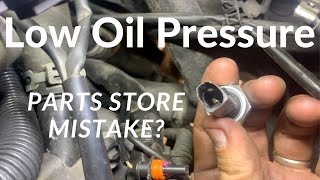
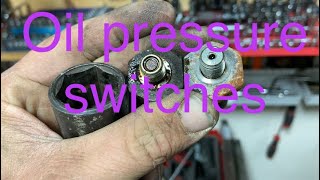
Pro Tip: Most 2.0T engines in this generation A4 have two oil pressure switches (often a brown one and a blue one) located near the oil filter housing. Since the labor to access them is the same, it is highly recommended to replace both at the same time.
🎬 Watch how to replace the 2.0T TFSI dual oil pressure switchesKnown Issues, TSBs, and Recalls
While there are no direct recalls for the oil pressure switch on the 2011-2020 Audi A4, some related service bulletins exist.
- TSB 2041093/1: This Technical Service Bulletin addresses a malfunction code (P164D00) for the reduced pressure switch on some 2015-2016 models. The issue can sometimes be caused by a dislodged rubber plug in the oil filter housing, but if oil pressure tests normal, the TSB may recommend replacing the switch.
- NHTSA Recall 21H7: This recall affects some 2013-2017 models for a blocked oil strainer in the turbocharger's oil line, which can cause oil starvation and trigger the oil pressure light. The symptom is the same as a bad switch, but the cause is different and more severe.
Cost to Replace an Audi A4 Oil Pressure Switch
| Part/Service | Estimated Cost |
|---|---|
| New Aftermarket Switch(es) | $9 - $50 |
| New OEM Switch(es) | $50 - $70 |
| Shop Labor | $80 - $140 |
| Total Estimated Repair | $90 - $190 |
Frequently Asked Questions (FAQ)

Where is the oil pressure switch on a 2011-2020 Audi A4?
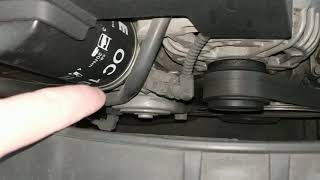
On most 2.0T engines, the oil pressure switch (or two switches) is located on the front of the engine, right by the oil filter housing. It can be accessed from underneath the car after removing the splash shield. 🎬 Watch this step-by-step 2014 Audi A4 oil pressure switch replacement The switches are often color-coded brown and blue.
Is replacing the oil pressure switch a DIY job?
Yes, this is a very DIY-friendly task for most home mechanics. It requires basic tools, including a 24mm deep socket. The job involves safely raising the vehicle, removing the splash shield, unplugging the electrical connector, and unscrewing the old switch. Be prepared for a small amount of oil to drip out.
My oil level is full, but the light is on. Is it the switch?
It is a very strong possibility. A false warning light when the oil level is correct is a classic symptom of a failed switch. However, you cannot rule out a more serious issue like a clogged oil pickup tube or a failing oil pump without proper testing. The safest approach is to have a mechanic test the actual oil pressure with a mechanical gauge to be certain.
What do the different color switches (brown vs. blue) mean?
The colors correspond to the different pressure ratings for the A4's two-stage oil pressure system. Typically, the brown switch is for low-pressure monitoring (idle), and the blue switch is for the high-pressure stage (higher RPMs). It is critical to order and install the correct color for each position.
Helpful Videos



Technical Specifications
OEM Part Numbers: 06K919081D 038919081P 03C919081 06A919081J 06E919081D
Most 2.0T engines use a two-switch system: a brown low-pressure switch and a blue high-pressure switch located near the oil filter housing. A 24mm deep socket is typically required for removal and installation.
We Have This Part in Stock


The information in this article is provided for general reference and educational purposes only. Vehicle specifications, procedures, and part compatibility can vary by production date, trim level, and region. Always consult your vehicle's factory service manual and verify part numbers before purchasing or performing repairs. Safety-critical components such as airbags, seat belts, and braking systems should be installed by a qualified professional.
- Audi A4: