

A Guide to the 2011-2019 Hyundai Elantra MAP Sensor
Experiencing rough idle, poor gas mileage, or a check engine light? Your MAP sensor could be the problem.
- A bad MAP sensor in your Elantra commonly causes a P0106 code, rough idle, and poor gas mileage.
- Replacement is a simple DIY job, usually taking less than 30 minutes with a single 10mm bolt to remove.
- Before replacing the sensor, always check for simpler issues like a dirty air filter or vacuum leaks.
- A quality aftermarket sensor offers a reliable and cost-effective alternative to the more expensive OEM part.
Understanding MAP Sensor Failure in Your Elantra

When the MAP sensor in your 2011-2019 Elantra starts to fail, it sends incorrect pressure readings to the engine's computer. This can lead to a range of noticeable driving issues because the computer can no longer create the right air-fuel mixture. Spotting these symptoms early can help you address the problem before it causes more trouble.
First, Check the Basics
Before you replace the MAP sensor, it's wise to check for simpler problems that can mimic a bad sensor. A very dirty engine air filter or a vacuum leak from a cracked hose can cause similar symptoms and may even trigger a MAP sensor error code. Always check these easy-to-fix items first.
Symptoms of a Bad MAP Sensor

A failing MAP sensor can make your car run poorly. Here are the most common signs:
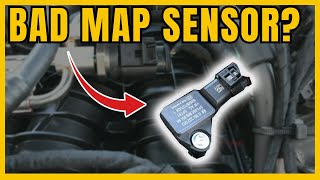
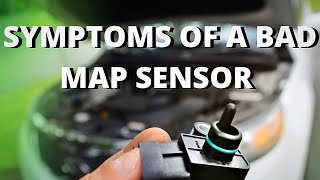
🎬 Watch: 8 common symptoms of a failing MAP sensor- Check Engine Light: This is often the first warning. The most common trouble code associated with a MAP sensor issue is P0106. 🎬 See how to diagnose and fix a P0106 engine code
- Rough Idle: Your Elantra may shake or sound unstable when you're stopped at a light or parked.
- Poor Fuel Economy: If the sensor tells the computer the engine is under more load than it really is, it will inject too much fuel, causing your gas mileage to drop.
- Lack of Power: During acceleration, the car might feel sluggish or hesitate because the engine isn't getting the correct air-fuel ratio.
- Black Smoke from Exhaust: This is a clear sign the engine is running "rich" (too much fuel), often due to a bad MAP sensor reading.
Choosing the Right Aftermarket Part

When it's time for a replacement, you'll find both OEM (Original Equipment Manufacturer) and aftermarket options. For a component like the MAP sensor, a quality aftermarket part can offer excellent value. While some owners on forums report that Hyundai vehicles can be sensitive to aftermarket sensors, many have success with reputable brands. Aftermarket parts from established manufacturers are designed to meet or exceed original specifications and can be a reliable, cost-effective alternative to more expensive OEM parts. The key is to avoid the cheapest, unbranded options, which can be poorly calibrated and fail quickly.
Pro Tip: When installing the new sensor, apply a small amount of clean engine oil to the O-ring. This helps it slide into the intake manifold easily without being damaged.
Cost of Replacing a Hyundai Elantra MAP Sensor
| Part Type | Estimated Cost |
|---|---|
| New OEM | $139 - $196 |
| New Aftermarket (Replacement) | $20.77 - $23.55 |
| Shop Labor | $50 - $100 |
Frequently Asked Questions (FAQ)

Where is the MAP sensor on the 2011-2019 Elantra?
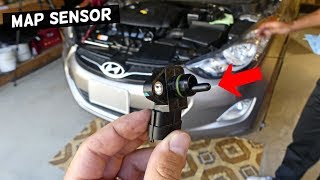
The MAP sensor is mounted on the intake manifold. On most 1.8L and 2.0L engines in this year range, you can find it on the front of the engine, though it may be slightly hidden under a vacuum actuator. It is held in place by a single 10mm bolt.
Can I replace the MAP sensor myself?
Yes, this is a very DIY-friendly job for most people. The process involves disconnecting the electrical connector, removing one 10mm bolt, and carefully pulling the old sensor out of the intake manifold. The entire job can typically be done in 15-30 minutes with basic hand tools.
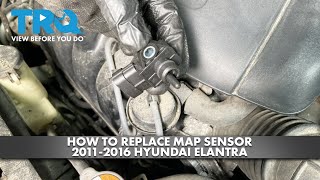
🎬 Watch this step-by-step MAP sensor replacement walkthroughWhat happens if I don't replace a bad MAP sensor?
Ignoring a failing MAP sensor can lead to persistently poor engine performance, terrible fuel economy, and stalling. In the long term, running a rich fuel mixture can damage your catalytic converter, which is a much more expensive repair.
Is an aftermarket MAP sensor good enough for my Elantra?
Yes, a quality aftermarket sensor is a good option for most owners. While some forum users prefer OEM for sensors, a reputable aftermarket brand provides a reliable part at a lower cost. Avoid the very cheap, no-name sensors, as they are more likely to be unreliable.
Are there any recalls for the Elantra MAP sensor?
No, there are no specific recalls or widespread Technical Service Bulletins (TSBs) for MAP sensor failure on the 2011-2019 Hyundai Elantra. While there are recalls for other issues on these models, the MAP sensor is not among them.
Helpful Videos

Technical Specifications
OEM Part Numbers: 39300-2B000
The MAP sensor for the 2011-2019 Hyundai Elantra is a 3-wire plug-in sensor that mounts to the intake manifold, secured by a single bolt.

The information in this article is provided for general reference and educational purposes only. Vehicle specifications, procedures, and part compatibility can vary by production date, trim level, and region. Always consult your vehicle's factory service manual and verify part numbers before purchasing or performing repairs. Safety-critical components such as airbags, seat belts, and braking systems should be installed by a qualified professional.
- Hyundai Elantra: