

Engine Camshaft Position Sensor Guide for 2011-2019 Dodge Durango
Solve stalling, rough idling, and starting problems in your Durango by understanding this critical engine sensor.
- A failing camshaft sensor causes stalling, hard starts, and a check engine light with codes like P0340 or P0344.
- The 3.6L V6 has two sensors (one is hard to reach), while the 5.7L HEMI has one easy-to-access sensor on the front.
- Check for oil leaks from valve covers, as dripping oil can damage the sensor and its connector.
- For a reliable repair, choose an OEM Mopar part or a premium aftermarket brand like Delphi or NGK.
Understanding Camshaft Position Sensor Failure in Your Durango

When a camshaft position sensor (CMP) starts to fail in your 2011-2019 Dodge Durango, your vehicle's computer gets confused. This small sensor has a big job: it monitors the speed and position of the engine's camshaft. This data is essential for engine timing, fuel injection, and, in the case of the Pentastar and HEMI engines, the variable valve timing system. A bad sensor can make your Durango run poorly, or not at all.
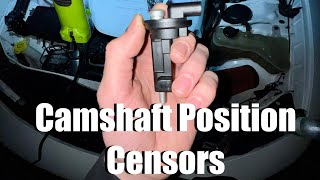
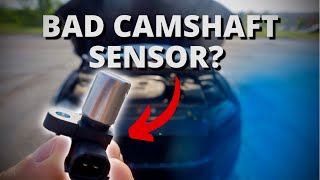
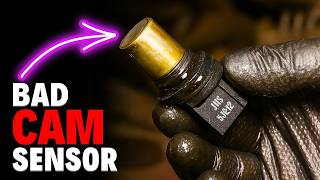
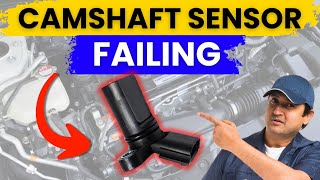
🎬 Learn more about the common symptoms of a failing sensor.Engine-Specific Information
It's important to know which engine your Durango has, as it affects the number and location of the sensors.
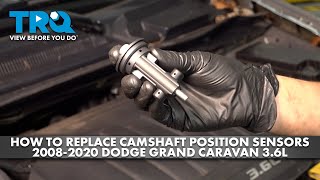
- 3.6L Pentastar V6: This engine has two camshaft position sensors. Bank 1 is on the passenger side of the engine, and Bank 2 is on the driver's side. To replace the Bank 1 sensor, the upper intake manifold often needs to be removed for access. 🎬 Watch this step-by-step replacement guide for the Pentastar V6.
- 5.7L HEMI V8: This engine has one camshaft position sensor. It is located on the front of the engine, on the timing cover, near the thermostat housing. It is generally easier to access than the sensors on the V6. 🎬 See why you might not need a new sensor for your HEMI.
Known Issues & Technical Service Bulletins (TSBs)
While no widespread recalls exist for this specific part on the 2011-2019 Durango, Dodge has issued TSBs related to it. TSB 18-054-14 addresses intermittent long crank times, suggesting an inspection and potential replacement of a specific batch of sensors. TSB 18-049-20 involves a software update for the PCM to change how it reports intermittent sensor faults for codes like P0340, P0344, P0345, and P0349, which can prevent a constant check engine light for a temporary glitch. In some cases, oil leaks from other components, like the valve cover gaskets, can drip onto the sensor and its connector, causing damage or a bad connection.
Choosing the Right Aftermarket Sensor

When your original Mopar sensor fails, you have many aftermarket options. They are not all created equal. Here’s how they generally break down:
- Premium Aftermarket (e.g., Delphi, NGK/NTK, Standard Ignition): These brands are often original equipment (OE) suppliers for various automakers. They engineer parts to meet or exceed OE specifications. For a critical sensor like this, choosing a premium brand is a reliable choice that balances cost and quality. Delphi, in particular, is often recommended by mechanics.
- Quality Mid-Tier (e.g., Dorman, Walker Products, Holstein): These are well-known aftermarket brands that offer a good balance of price and performance. Dorman is known for making direct-fit replacement parts and often provides a reliable solution.
- Budget-Friendly (e.g., Crown Automotive, Encore, Global Parts): These brands offer a lower-cost alternative. While they can get your vehicle back on the road, their long-term durability and the precision of their electronics may not match the higher-tiered brands. They can be a viable option for a budget-conscious repair, but be aware of the potential for a shorter lifespan.
| Part/Service | Estimated Cost |
|---|---|
| New OEM (Mopar) | $55 - $110 |
| New Aftermarket | $19 - $131 |
| Shop Labor | $60 - $150 |
Pro Tip: When replacing the sensor, it's a good idea to apply a small amount of clean engine oil to the new O-ring. This helps it slide in easily and prevents the seal from tearing. Also, inspect the electrical connector for any signs of corrosion or oil contamination and clean it carefully.
Frequently Asked Questions (FAQ)

Where is the camshaft position sensor on my Dodge Durango?
For the 5.7L HEMI V8, the single sensor is on the front timing cover, near the alternator and thermostat. For the 3.6L Pentastar V6, there are two sensors. Bank 1 (passenger side) and Bank 2 (driver's side) are located on the rear of the cylinder heads, below the intake manifold.
How many camshaft sensors does a 2011-2019 Durango have?
It depends on your engine. The 3.6L V6 has two camshaft position sensors. The 5.7L HEMI V8 has one.
What are the common trouble codes for a bad camshaft sensor?
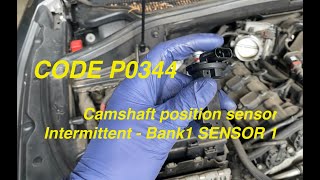
Common codes include P0340, P0344 (for Bank 1 or single sensor) and P0345, P0349 (for Bank 2 on V6 engines). These codes point to a circuit malfunction or an intermittent signal from the sensor.
Is it better to buy an OEM Mopar sensor or an aftermarket one?
Mopar is the original part and guarantees a perfect fit and function. However, premium aftermarket brands like Delphi or NGK often supply original parts to manufacturers and offer similar quality for less money. For a critical sensor, it's wise to stick with Mopar or a premium aftermarket brand rather than a budget option to avoid replacing it again soon.
Can I just clean the sensor instead of replacing it?
If the sensor is dirty with oil and grime, cleaning it and its electrical connector might temporarily restore function, especially if the issue is a poor connection. However, the failure is usually internal to the sensor's electronics. Cleaning is a short-term fix at best; replacement is the proper repair.
Helpful Videos
Technical Specifications
OEM Part Numbers: 5149141AF 5149054AC
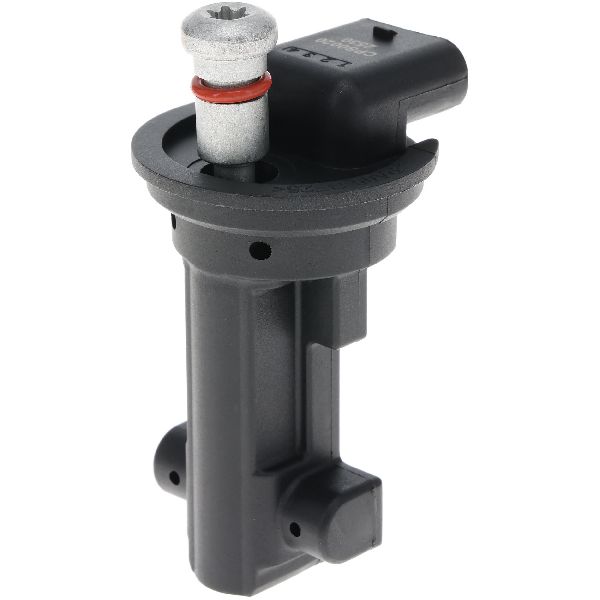
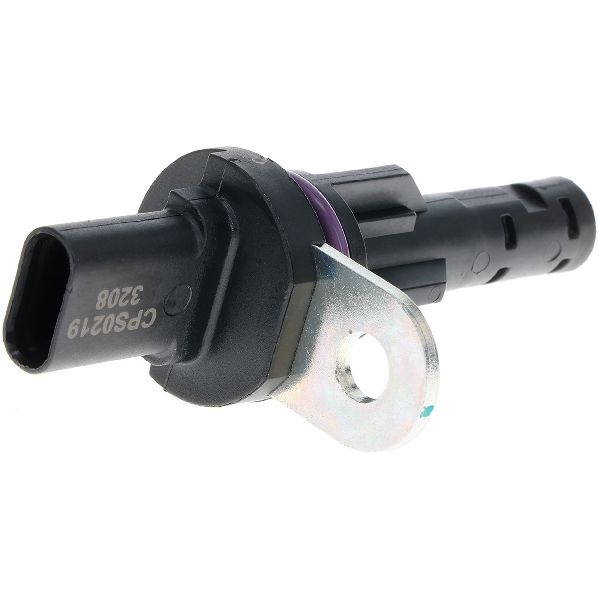
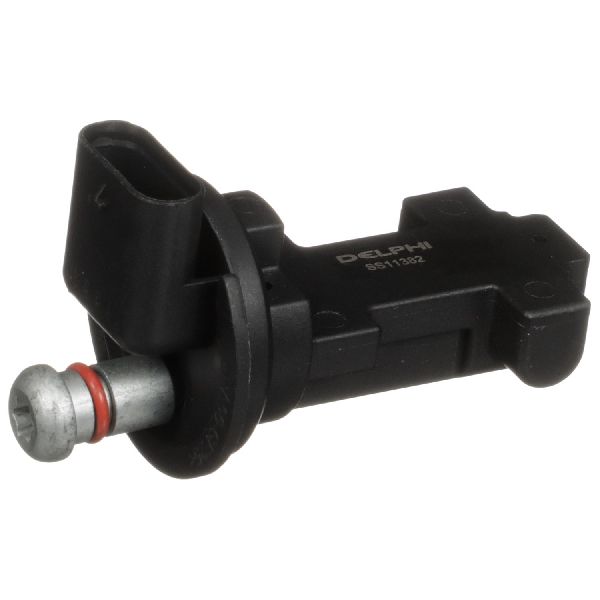
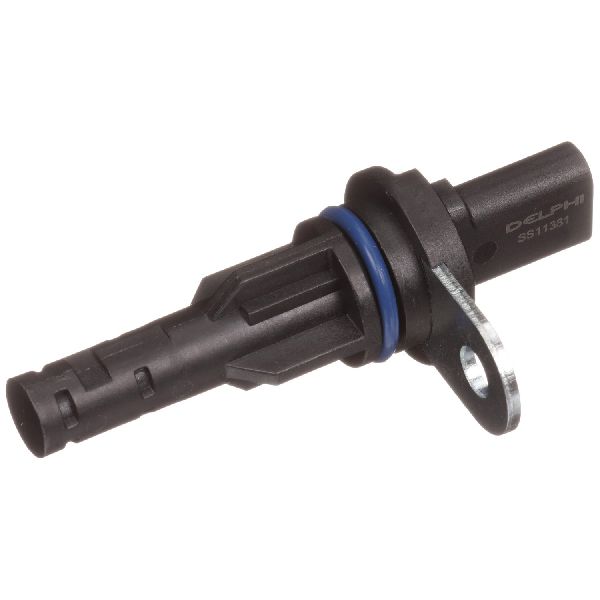
The sensor is a 3-pin Hall-effect sensor that reads the rotation of the camshaft. It is secured by a single 10mm bolt and sealed with an O-ring.
We Have This Part in Stock


The information in this article is provided for general reference and educational purposes only. Vehicle specifications, procedures, and part compatibility can vary by production date, trim level, and region. Always consult your vehicle's factory service manual and verify part numbers before purchasing or performing repairs. Safety-critical components such as airbags, seat belts, and braking systems should be installed by a qualified professional.
- Dodge Durango: