

A Subaru Outback Owner's Guide to the 2011-2018 Camshaft Position Sensor
If your Outback is stalling, idling rough, or won't start, a bad camshaft position sensor could be the culprit.
- Your Outback has four camshaft sensors; use a code scanner to identify which one has failed before purchasing a replacement.
- A known issue on 2013+ models may require adding a shim to fix the sensor's air gap, per a Subaru TSB.
- For a critical timing sensor like this, using an OEM part is strongly recommended to avoid repeat failures or performance issues.
- Replacement is simple for DIYers, requiring only a 10mm wrench and careful access to the sensor's location on the front of the engine.
Understanding Your Outback's Four Camshaft Sensors


When you get a check engine light for a camshaft position sensor on your 2011-2018 Outback, the first step is to understand that you have four of them. The diagnostic trouble code (DTC) read by a scanner will tell you which specific sensor is having a problem. The codes correspond to a specific sensor location:
- Bank 1 is the passenger side of the engine.
- Bank 2 is the driver's side of the engine.
- Sensor "A" is typically the intake camshaft sensor (top).
- Sensor "B" is typically the exhaust camshaft sensor (bottom).
For example, a code P0340 points to the Bank 1 (passenger side) intake sensor, while a P0345 points to the Bank 2 (driver side) intake sensor. Always confirm the code before buying a part.
🎬 Watch: Understanding Subaru camshaft sensor codes and locations.Technical Service Bulletin (TSB) for 2013+ Models
Subaru issued a Technical Service Bulletin (TSB #11-130-13R) for some 2013 and newer models with the FB series engine that experience rough idle, starting issues, and camshaft sensor codes. The issue is often not the sensor itself, but an incorrect air gap between the sensor and the camshaft. The official fix involves measuring this gap and adding a specific factory shim to correct it. If you have a 2013 or newer model, be aware that simply replacing the sensor may not fix the root cause.
Choosing the Right Aftermarket Sensor

When it comes to critical engine electronics like camshaft position sensors, there is a noticeable difference in quality and reliability between Original Equipment (OEM) and aftermarket options.
- OEM Sensors: These are the same parts Subaru used at the factory. They are built to the exact specifications required for the engine's sensitive timing system. Given the TSB regarding sensor gap, using an OEM part is the safest bet for a plug-and-play repair without complications.
- New Aftermarket (e.g., "Replacement" brand): Aftermarket sensors are a budget-friendly alternative. While they are designed to fit and function like the original, their internal electronics may not be as robust or precisely calibrated. For many car owners, they work without issue. However, for a sensitive system like Subaru's, there is a higher risk of premature failure, incorrect readings, or not resolving the check engine light, which could lead to doing the job twice.
Pro Tip: Because labor can be a significant part of the cost, and because of the known sensitivity of this system on Subarus, many experienced mechanics recommend spending a little extra on an OEM sensor to ensure the repair is done right the first time.
Cost of Replacing a Camshaft Position Sensor (2011-2018 Subaru Outback)
| Part/Service | Estimated Cost |
|---|---|
| New OEM Sensor | $25 - $45 |
| New Aftermarket Sensor | $32 - $41 |
| Shop Labor (per sensor) | $75 - $150 |
| Total DIY (Aftermarket) | $32 - $41 |
| Total at a Shop (OEM Part) | $100 - $195 |
Costs are estimates and can vary based on your location and specific vehicle condition.
Frequently Asked Questions

Can I replace just one sensor?
Yes, you only need to replace the specific sensor that has failed and triggered the trouble code. The other sensors can be left alone unless they also fail.
Where are the camshaft position sensors located?
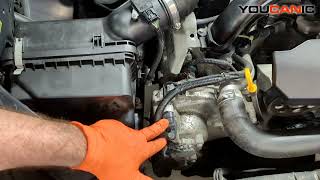
The sensors are on the front of the engine. On the 2.5L and 3.6L engines, you will find two on the top of the engine's front timing cover (for the intake cams) and two towards the bottom (for the exhaust cams), with one on each side. They are each held in by a single 10mm bolt.
Is this a difficult repair to do myself? 🎬 Watch: A complete walkthrough for 2010-2014 Outback sensor replacement.
For someone with basic tools, this is a very manageable DIY repair. The main challenge can be accessing the lower sensors, which may be tight. The process involves disconnecting the electrical plug, removing one 10mm bolt, and carefully wiggling the old sensor out. Always apply a small amount of clean engine oil 🎬 See this step-by-step replacement guide for 2015-2019 models. to the O-ring on the new sensor before installation.
Are there any recalls for this part?
No, there are no active recalls from Subaru or NHTSA for the camshaft position sensors on the 2011-2018 Outback. However, there is a related Technical Service Bulletin (TSB) for some model years that may affect the repair.
Helpful Videos
Technical Specifications
OEM Part Numbers: 22056AA250 22056AA28A
This engine uses four sensors total: one intake and one exhaust sensor for each cylinder bank (Bank 1 and Bank 2).

The information in this article is provided for general reference and educational purposes only. Vehicle specifications, procedures, and part compatibility can vary by production date, trim level, and region. Always consult your vehicle's factory service manual and verify part numbers before purchasing or performing repairs. Safety-critical components such as airbags, seat belts, and braking systems should be installed by a qualified professional.
- Subaru Outback: