

A Ford Mustang Owner's Guide to the 2011-2018 VVT Solenoid
If your Mustang has a rough idle or is stalling, a bad VVT solenoid is a likely culprit.
- Rough idle and stalling when stopping are the #1 symptoms of a failing VVT solenoid on a 2011-2018 Mustang.
- It is highly recommended to replace all four solenoids at once to avoid future repeat repairs.
- Using OEM Ford or the upgraded Ford Performance solenoids (M-6297-M50A) is a popular and reliable choice over budget aftermarket brands for this job.
- Keeping up with regular oil changes using the correct oil is the best way to prolong the life of your VVT solenoids.
Is Your Mustang's VVT Solenoid Failing?

A failing VVT solenoid is a common issue on the 2011-2018 Ford Mustang, affecting both the 5.0L V8 and 3.7L V6 engines. Because the solenoid controls engine timing with oil pressure, symptoms often get worse as the engine warms up or if the oil is old or low. Many owners report problems starting around 60,000-80,000 miles.
Key Failure Symptoms:
- Rough Idle & Stalling: This is the most common sign. Your Mustang might shake at a stoplight, the RPMs may jump up and down, or the engine may shut off completely when you come to a stop.
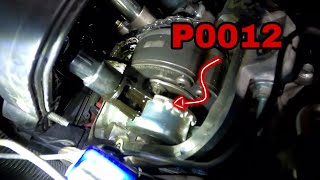
- Check Engine Light: A failing solenoid will almost always trigger a check engine light. Common trouble codes include P0012, P0022, P0010, and P0020.
- Poor Acceleration: The car may feel sluggish, hesitate when you press the gas, and generally feel down on power.
- Engine Noises: You might hear a rattling, ticking, or metallic sound from the top of the engine, especially at idle or when letting off the gas at low RPMs.
Don't Ignore the Signs
While you can drive with a bad VVT solenoid, it's not recommended. Ignoring the problem can lead to poor fuel economy, failed emissions tests, and potentially more severe engine damage over time, such as to the timing chain or camshaft phasers.
Choosing the Right Aftermarket Solenoid

When replacing your VVT solenoids, you have a few options. Since this is a critical engine part and the labor can be time-consuming, choosing a quality replacement is important to avoid doing the job twice.
OEM vs. Aftermarket Quality
For this specific part on the Mustang, many owners and mechanics lean towards using original Ford parts. However, high-quality aftermarket options exist.
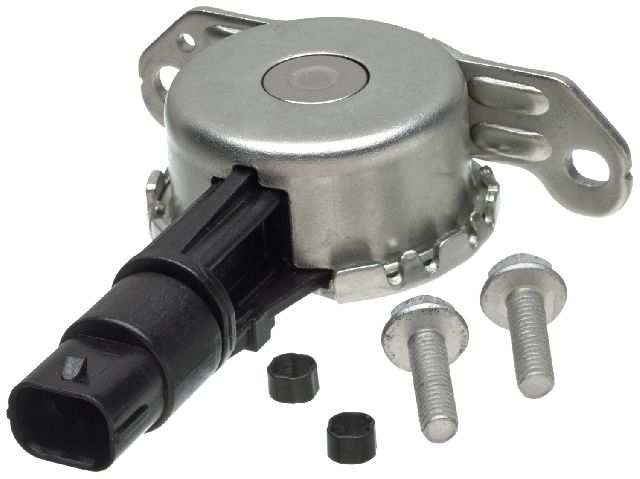
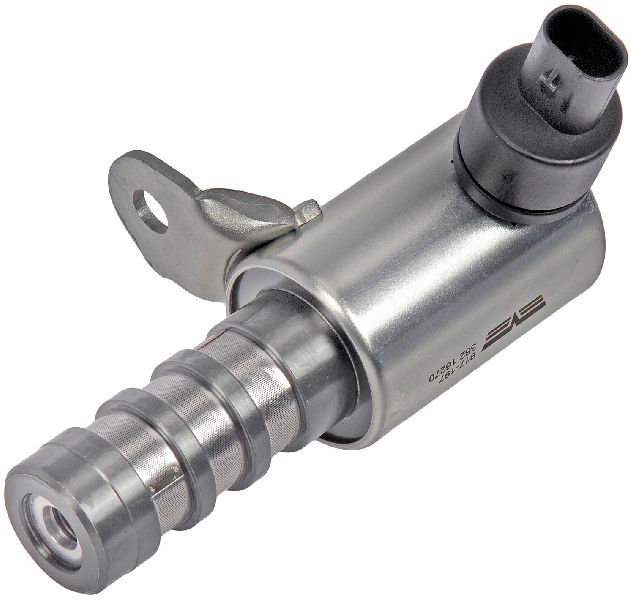
- Premium Aftermarket (Ford Performance): Ford Performance offers an upgraded "High Strength" VCT solenoid kit (part number M-6297-M50A). These were designed for racing but are a popular, reliable fix for the common idle and stalling issues on stock engines. They feature stronger mounting points and are often recommended on owner forums.
- Standard Aftermarket (Dorman, Standard, Gates, etc.): Brands like Dorman are widely available and often come with a lifetime warranty, which is appealing. However, some mechanics and owners have reported mixed results with non-OEM electronic parts, sometimes seeing them fail sooner than original parts. Aftermarket brands are more affordable and can be a good value, but for this job, it's often worth paying a little more for a part with a strong reputation.
Pro Tip: Replace in Sets
Your Mustang's 5.0L V8 has four VVT solenoids (two intake, two exhaust). The 3.7L V6 also has four. If one has failed, the others are likely the same age and condition. It is highly recommended to replace all four at the same time to save on future labor costs.
Cost to Replace a Ford Mustang VVT Solenoid
The cost depends on whether you do the work yourself or take it to a shop. The parts themselves are not very expensive, but the labor to access them can add up.
| Part/Service | Estimated Cost |
|---|---|
| New Aftermarket Solenoid (Single) | $32 - $94 |
| Ford Performance Solenoid Kit (Set of 4) | $100 - $120 |
| Shop Labor | $350 - $500 |
| Total Professional Replacement (All 4) | $450 - $620 |
Frequently Asked Questions

Is replacing a VVT solenoid a DIY job?
Yes, for someone with moderate mechanical skill. The main challenge is that you must remove the valve covers to access the solenoids. This involves removing several other components first. The job requires basic hand tools, patience, and about 2-3 hours. Always disconnect the battery before starting.
Are there any recalls for the 2011-2018 Mustang VVT solenoid?
No, there are no active safety recalls for the VVT (or VCT) solenoids on the 2011-2018 Ford Mustang. Ford has issued Technical Service Bulletins (TSBs) for similar issues, like TSB 18-2360 for the 2018 model year, which guides technicians on diagnosing a faulty solenoid.
Will a bad VVT solenoid always cause a check engine light?
Not always, at least not right away. Many owners experience intermittent rough idle or stalling for some time before a code is finally stored and the check engine light comes on. A diagnostic scan tool can sometimes detect a pending code before the light appears.
Can dirty oil cause VVT solenoid problems?
Absolutely. The VVT system is completely dependent on clean engine oil and proper oil pressure to function. Old, dirty, or low oil can clog the tiny passages and screens in the solenoids, causing them to stick or fail. Following Ford's recommended oil change schedule with the correct oil type is the best way to prevent premature failure.
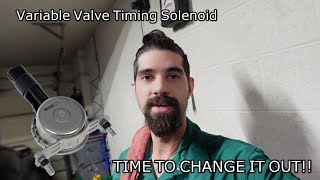
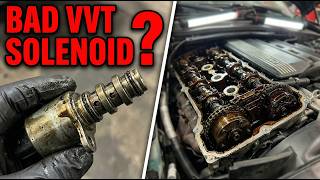
Helpful Videos


Technical Specifications
OEM Part Numbers: BR3Z6M280F HL3Z6M280A M-6297-M50A
The 5.0L V8 and 3.7L V6 engines use four solenoids in total: one intake and one exhaust solenoid for each cylinder bank. For 2018+ models, the part numbers changed, so verifying the correct part for your specific year is critical.
We Have This Part in Stock


The information in this article is provided for general reference and educational purposes only. Vehicle specifications, procedures, and part compatibility can vary by production date, trim level, and region. Always consult your vehicle's factory service manual and verify part numbers before purchasing or performing repairs. Safety-critical components such as airbags, seat belts, and braking systems should be installed by a qualified professional.
- Ford Mustang: