

A Guide to Replacing Spark Plugs on the 2011-2017 Toyota Sienna
Keep your Sienna's V6 engine running strong by understanding its spark plug needs.
- The spark plug service interval is 120,000 miles for 2011-2016 models but only 60,000 miles for the 2017 model.
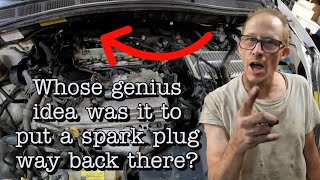
- Replacement is complex and expensive because the intake manifold must be removed to access the three rear spark plugs.
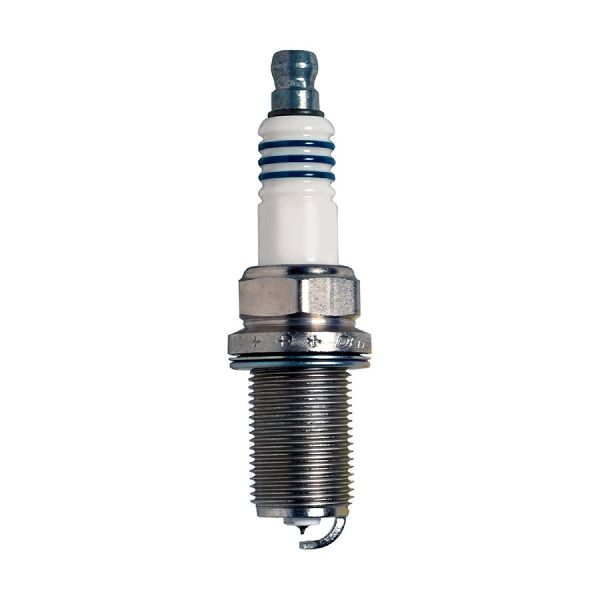
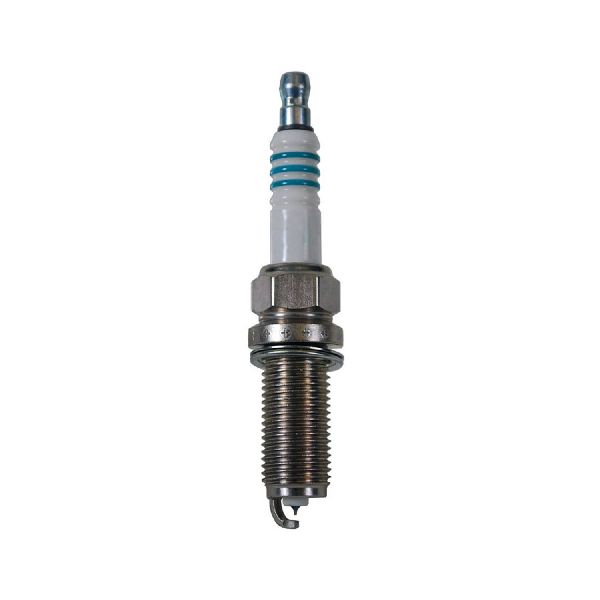
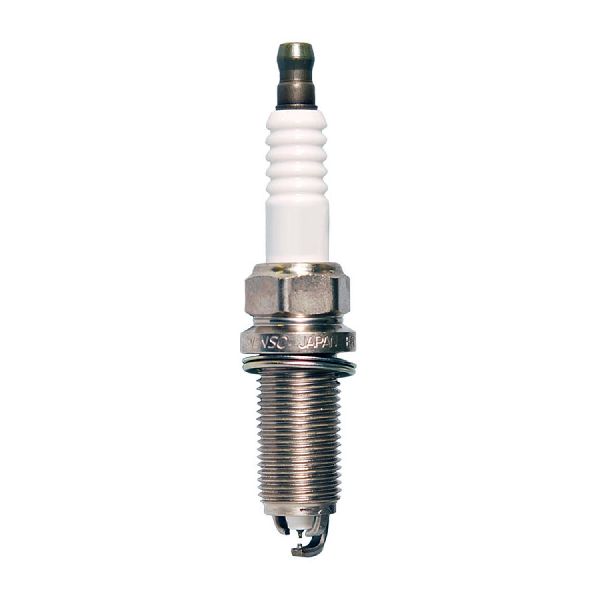
- Always use high-quality Iridium spark plugs from OEM brands like Denso or NGK for best performance and longevity.
- The intake manifold and throttle body gaskets must be replaced at the same time to prevent future vacuum leaks.
Symptoms of Failing Spark Plugs

When your Sienna's spark plugs wear out, they can't create a strong enough spark. This leads to incomplete combustion in the engine. You might notice one or more of these signs:
- Rough Idle: The engine may shake or vibrate more than usual when you're stopped.
- Engine Misfires: You might feel a hesitation or stumble from the engine while driving. This can also trigger the Check Engine Light with codes from P0300 to P0306. 🎬 Watch this guide on diagnosing engine misfires in your Sienna.
- Poor Acceleration: The van may feel sluggish or slow to respond when you press the gas pedal.
- Reduced Fuel Economy: You may find yourself filling up the gas tank more often than you used to.
- Difficulty Starting: While less common with modern ignition systems, very worn plugs can make the engine harder to start.
Critical Model Year Difference: 2011-2016 vs. 2017
The 2011-2016 Toyota Sienna uses the 2GR-FE engine, which has a spark plug replacement interval of 120,000 miles. The 2017 Toyota Sienna uses the updated 2GR-FKS engine, which requires spark plug changes much sooner, at 60,000 miles. Be sure to follow the correct interval for your specific model year.
Choosing the Right Aftermarket Spark Plugs

When shopping for spark plugs for your Sienna, you'll find several brands. Not all are created equal. For this vehicle, sticking close to the original equipment (OEM) design is the best strategy.
Tier 1: OEM-Equivalent Brands
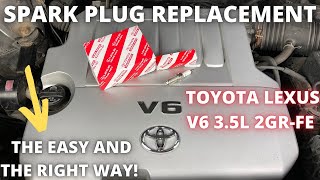
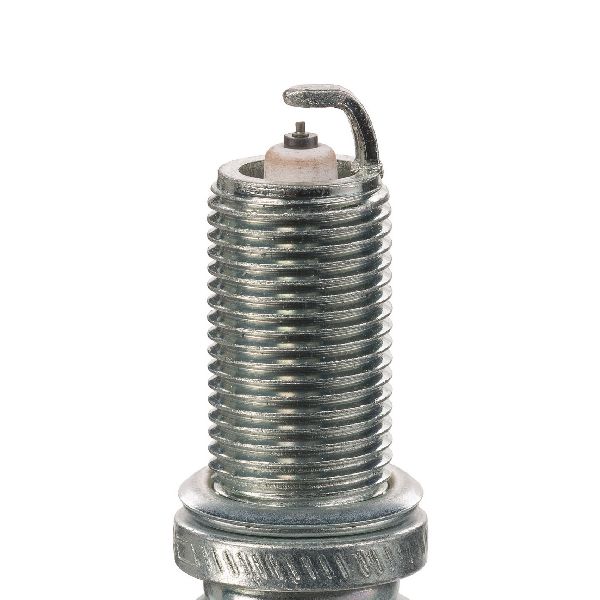
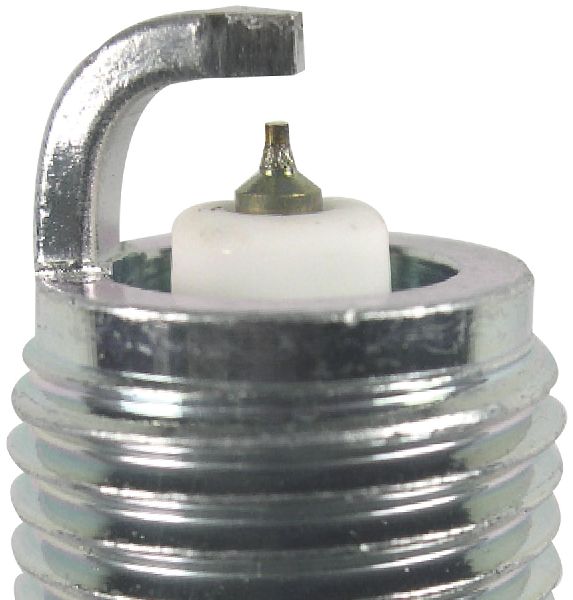
Denso and NGK: Toyota uses both Denso and NGK as original equipment suppliers. Choosing Iridium spark plugs from either of these brands is the safest bet for performance and longevity. The original plug is typically a Denso (FK20HR11) or an equivalent NGK Iridium plug. These plugs are designed to last for the full 120,000-mile interval (on 2011-2016 models) and ensure your engine runs as it was designed. 🎬 See a detailed walkthrough for changing plugs on the 2GR-FE engine. When buying, be sure to use a reputable seller to avoid counterfeit parts, which are a known problem.
Tier 2: Reputable Aftermarket Brands
Bosch: Bosch is a major manufacturer of quality auto parts, including Iridium spark plugs that are compatible with the Sienna. While a good brand overall, most professional mechanics and Toyota enthusiasts prefer to stick with Denso or NGK for Japanese vehicles.
Tier 3: Budget-Friendly Brands
Autolite and Champion: These brands offer more affordable spark plugs. While they will work, they may not offer the same performance or long life as the Iridium plugs from Denso or NGK. If you choose one of these, you may need to replace them more frequently than the recommended 120,000-mile interval.
Pro Tip: Always Replace Gaskets
To replace the rear spark plugs, the upper intake manifold must be removed. It is critical to replace the intake manifold gaskets and the throttle body gasket at the same time. Reusing old gaskets can cause vacuum leaks, leading to poor engine performance and requiring the entire job to be done over again.
Installation and Cost

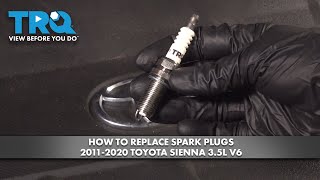
Replacing the spark plugs on the 2011-2017 Sienna's V6 engine is a tale of two halves. The front three plugs (Bank 2) are easily accessible and simple to change. However, the rear three plugs (Bank 1) are located underneath the upper intake manifold and wiper cowl assembly. 🎬 Watch: How to replace spark plugs on 2011-2020 Sienna models. This makes the job significantly more complex and time-consuming.
| Item | Estimated Cost |
|---|---|
| Aftermarket Spark Plugs (Set of 6, Iridium) | $60 - $150 |
| Intake & Throttle Body Gaskets | $20 - $40 |
| Shop Labor Cost | $350 - $700+ |
| Total Professional Replacement | $430 - $900+ |
Due to the complexity of accessing the rear plugs, this is not a job for a beginner. It requires removing the wiper arms, cowl, and the entire upper intake manifold. An experienced DIYer can tackle it in about 4-5 hours, but a professional shop will typically charge for 3-4 hours of labor.
Frequently Asked Questions (FAQ)

Why is it so expensive to change the spark plugs on my Sienna?
The high cost is due to the labor involved. To access the three spark plugs at the rear of the engine, a mechanic must remove the wiper assembly, the plastic cowl, and the engine's upper intake manifold. This process takes several hours, making labor the largest part of the bill.
Can I just change the three easy spark plugs in the front?
No. All six spark plugs should be replaced at the same time with the same type of plug. Changing only half the plugs will result in an unbalanced engine, with three cylinders running more efficiently than the others. This can cause performance issues.
What type of spark plug is best for my Sienna?
The best choice is an Iridium long-life spark plug from Denso or NGK. These are the brands Toyota uses from the factory and are designed to last for the full service interval while providing optimal performance.
Is this a DIY-friendly job?
This job is only recommended for experienced DIY mechanics. While the front three plugs are easy, removing the intake manifold to access the rear three is a complex task. If you are not comfortable with that level of work, it is best to leave it to a professional.
Helpful Videos
Technical Specifications
OEM Part Numbers: 90919-01247 FK20HR11
Engine: 3.5L V6 (2GR-FE for 2011-2016, 2GR-FKS for 2017). Spark Plug Type: Iridium. Quantity Required: 6. Spark Plug Socket Size: 5/8 inch (16mm).
We Have This Part in Stock

The information in this article is provided for general reference and educational purposes only. Vehicle specifications, procedures, and part compatibility can vary by production date, trim level, and region. Always consult your vehicle's factory service manual and verify part numbers before purchasing or performing repairs. Safety-critical components such as airbags, seat belts, and braking systems should be installed by a qualified professional.
- Toyota Sienna: