

A Guide to the Mass Air Flow Sensor for the 2011-2017 Mazda 2
If your Mazda 2 is running rough or getting poor gas mileage, a faulty Mass Air Flow sensor could be the culprit.
- A bad MAF sensor will directly impact your Mazda 2's fuel economy and performance.
- Before replacing, try cleaning the sensor with a dedicated MAF cleaner; it can often solve the problem.
- For replacement, stick to OEM-equivalent brands like Denso or Hitachi for reliability; avoid cheap, no-name sensors.
- Replacement is a very easy DIY job that takes less than 30 minutes with basic tools.
Symptoms of a Failing MAF Sensor

When the MAF sensor on your Mazda 2 starts to fail, it sends incorrect information to the engine's computer. This throws off the air-fuel mixture and can cause a number of noticeable problems. You might experience 🎬 Watch: A visual guide to common bad MAF sensor symptoms. one or more of the following issues:
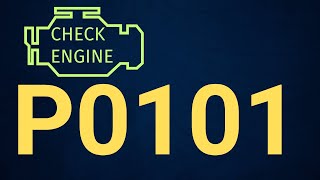
- Check Engine Light: This is often the first and most obvious sign. A code scanner will typically show codes like P0101, P0102, or P0103.
- Rough Idle: The engine may idle erratically, surge, or feel like it's about to stall at stoplights.
- Hesitation and Jerking: When you accelerate, the car might hesitate, stumble, or jerk, which can be dangerous in traffic.
- Poor Fuel Economy: One of the most common complaints. An incorrect air reading often causes the computer to inject too much fuel, leading to more trips to the gas station.
- Lack of Power: The car may feel sluggish and lazy on acceleration.
- Black Smoke from Exhaust: In severe cases, an extremely rich fuel mixture (too much fuel) can result in black smoke from the tailpipe.
Pro Tip: Try Cleaning It First
Before you buy a new sensor, it's worth trying to clean the old one. Over time, the sensor's delicate wires can get dirty. A can of dedicated MAF sensor cleaner is inexpensive and the cleaning process is simple. For many Mazda 2 owners, a good cleaning is all that's needed to solve rough idle and other minor symptoms.
🎬 See this step-by-step walkthrough for cleaning your Mazda 2 sensor.Choosing the Right Aftermarket MAF Sensor

When it comes to engine sensors, quality matters. While it may be tempting to buy the cheapest option, a low-quality MAF sensor can cause more problems than it solves, with inaccurate readings that lead to poor performance and can fail quickly. For a sensitive component like this on your Mazda, it's best to stick with proven brands.
Brand Quality Tiers
- Tier 1: OEM Equivalent (Recommended): These brands are often the original equipment manufacturers for Mazda and other Japanese automakers. They offer the best fit and performance. Look for Denso and Hitachi.
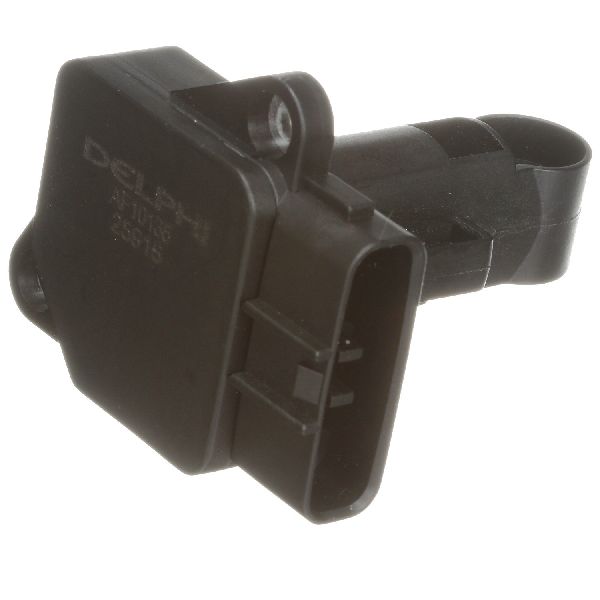
- Tier 2: Reputable Aftermarket: These are well-known brands with a history of producing reliable electronic components. They are a solid choice if an OEM-equivalent part isn't available. This tier includes Delphi, NGK, and Standard Ignition (SMP).
- Tier 3: Value Brands: This category includes brands like Spectra, Walker Products, and various private labels. While the price is low, performance can be inconsistent. Using these parts can be a gamble and may lead to recurring problems.
A Warning on Cheap Sensors
Forum discussions are filled with stories of car owners who tried to save money with a cheap, no-name MAF sensor only to have it fail or provide incorrect readings right out of the box. This often leads to wasted time and money, with the owner eventually having to buy a higher-quality part anyway. For the Mazda 2, investing in a Tier 1 or Tier 2 brand is highly recommended.
Replacement Cost

The cost to replace the MAF sensor on a 2011-2017 Mazda 2 can vary depending on the part you choose and who does the work.
| Item | Estimated Cost |
|---|---|
| New Aftermarket Part | $55 - $265 |
| New OEM Part (Dealer) | $250 - $400 |
| Shop Labor | $50 - $100 |
Frequently Asked Questions

How difficult is it to replace the Mazda 2 MAF sensor?
It is very easy. The job requires basic tools, takes about 15 minutes, and is perfect for a beginner DIYer. The sensor is located on the air intake hose, held in by two screws and an electrical connector.
What happens if I don't replace a bad MAF sensor?
You can continue to drive the car, but it will run poorly. If left for too long, a bad air-fuel mixture can potentially damage other expensive components, like the catalytic converter, due to unburned fuel.
Is a cheap MAF sensor from an online marketplace worth it?
Almost never. While the price is attractive, these sensors are known to be unreliable and can cause persistent drivability issues. It is strongly recommended to use a reputable brand like Denso, Hitachi, or Delphi for reliable performance.
How do I know it's the MAF sensor and not an oxygen sensor?
While they can cause similar symptoms, the diagnostic trouble codes (DTCs) are usually different. MAF-specific codes are typically P0100-P0104. However, a bad MAF can sometimes trigger lean (P0171) or rich (P0172) codes, which can also be caused by oxygen sensors. The best first step is to read the codes with an OBD-II scanner.
🎬 Watch: How to diagnose and fix a P0101 trouble code.Helpful Videos

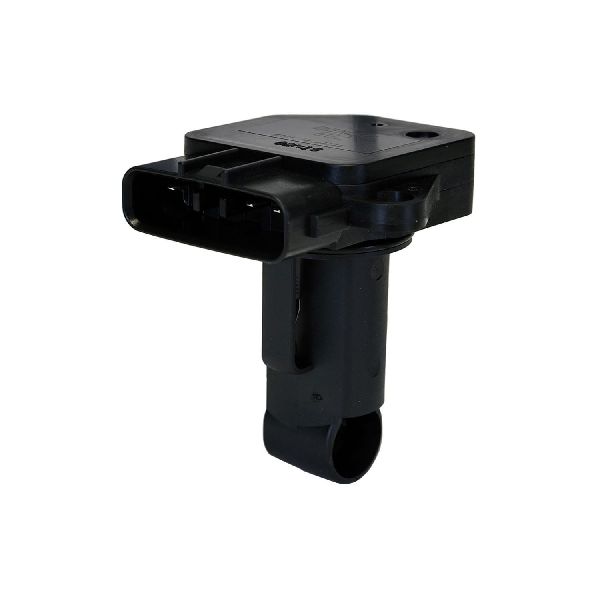
Technical Specifications
OEM Part Numbers: PE01-13-215 8V2112B579AA
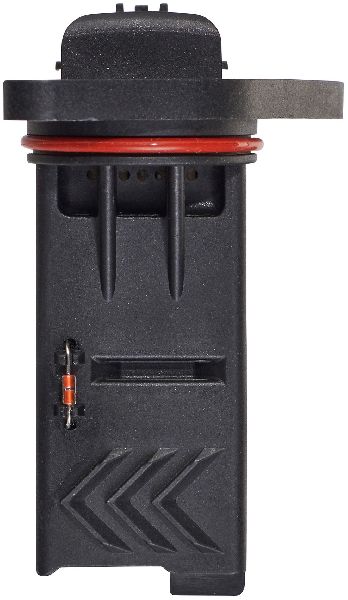
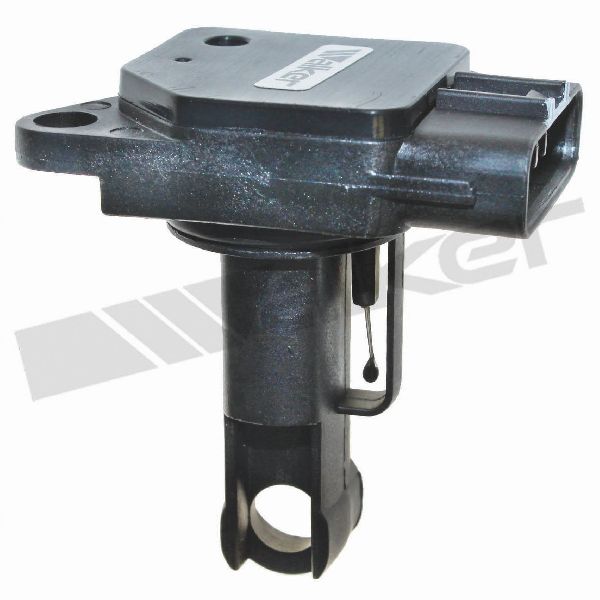
The sensor is a 'housing-less' or 'insert' type, held in place by two screws. It uses a 5-pin blade-style electrical connector.
We Have This Part in Stock



The information in this article is provided for general reference and educational purposes only. Vehicle specifications, procedures, and part compatibility can vary by production date, trim level, and region. Always consult your vehicle's factory service manual and verify part numbers before purchasing or performing repairs. Safety-critical components such as airbags, seat belts, and braking systems should be installed by a qualified professional.
- Mazda 2: