

Your 2011-2017 Hyundai Tucson Mass Air Flow Sensor: A Complete Guide
Solving rough idle, poor gas mileage, and hesitation issues starts with understanding this critical engine sensor.
- A bad MAF sensor on your Tucson will cause noticeable issues like rough idle, poor MPG, and hesitation.
- Replacement is an easy DIY job that takes less than 30 minutes.
- For best results, choose a high-quality aftermarket brand like Delphi or Walker Products; avoid the cheapest options to prevent new problems.
- Before replacing, check for simple issues like a dirty air filter or cracks in the air intake hose.
Is Your Tucson's MAF Sensor Failing?

A failing Mass Air Flow sensor can make your 2011-2017 Tucson run poorly. Because it provides bad information to the engine computer, the air-to-fuel ratio can be too rich (too much fuel) or too lean (not enough fuel). Watch for these common signs:
- Check Engine Light: This is the most common sign. You will likely see codes like P0101, P0102, or P0103.
- Rough Idle: The engine may vibrate, surge, or sound uneven when you're stopped.
- Poor Fuel Economy: If you're filling up your gas tank more often, a bad MAF sensor could be wasting fuel.
- Hesitation or Lack of Power: When you press the gas pedal, the car may hesitate, jerk, or feel sluggish.
- Black Smoke from Exhaust: This indicates the engine is running too rich, a classic symptom of a MAF sensor sending incorrect low-air-volume readings.
- Stalling: In some cases, the engine may stall shortly after starting or while idling.
No Recalls or TSBs Found
Our search of the NHTSA database and technical service bulletins did not find any specific recalls or widespread issues for the mass air flow sensor on the 2011-2017 Hyundai Tucson. Failures are typically due to age, contamination, or normal wear and tear.
Choosing the Right Aftermarket MAF Sensor

For a critical sensor like the MAF, quality matters. While an OEM sensor from a Hyundai dealer is an option, it is often the most expensive. High-quality aftermarket parts can provide the same performance for less money. However, be cautious of the cheapest options. Forum discussions with other Hyundai owners show that low-quality sensors can cause new, hard-to-diagnose drivability problems like poor shifting or surging, even without triggering a check engine light.
Here’s a breakdown of the available brands to help you choose:
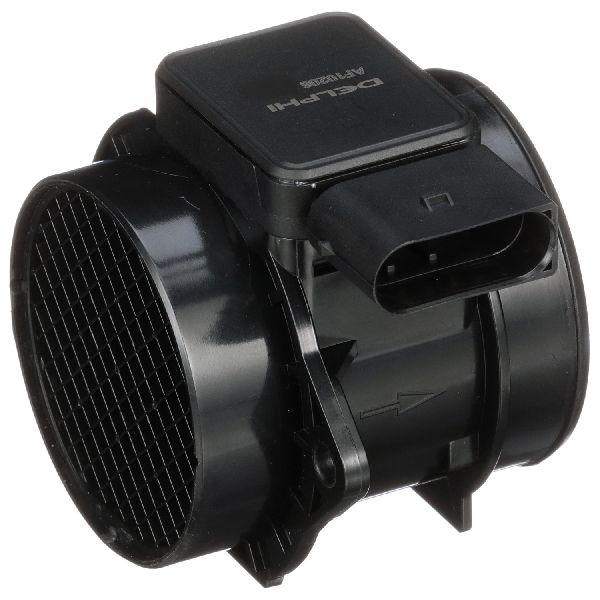
- Top Tier (OE-Grade): Delphi is a trusted brand that manufactures original equipment parts for many carmakers. Choosing a Delphi sensor is the closest you can get to OEM quality in the aftermarket, ensuring reliable and accurate performance. Hella is another well-regarded European brand with a strong reputation for quality electronics.
- Mid-Tier (Reliable Value): Brands like Standard Ignition and Walker Products have a long history of producing reliable aftermarket engine sensors. They offer a good balance of quality and price, making them a solid choice for most owners.
- Budget-Tier (Use with Caution): Brands like Cardone and Spectra offer some of the lowest prices. While Cardone offers both new and remanufactured parts, some users have reported issues with consistency. These brands can be a viable option if budget is your primary concern, but be aware of the potential for performance issues.
| Part Type | Estimated Cost |
|---|---|
| New Aftermarket MAF Sensor | $87 - $155 |
| New OEM Hyundai MAF Sensor | $185 - $515 |
| Shop Labor | $50 - $100 |
Easy DIY Replacement
Replacing the MAF sensor on a 2011-2017 Tucson is a simple job that most owners can do in under 30 minutes with basic tools. The sensor is located in the air intake hose between the air filter box and the engine. It's typically held in place by two clamps. Simply disconnect the electrical plug, loosen the clamps, swap the sensor, and reconnect everything.
Frequently Asked Questions

Can I just clean my MAF sensor?
Sometimes, cleaning the sensor's delicate wires with a dedicated MAF sensor cleaning spray can restore its function, especially if it's just dirty. However, if the sensor's electronics have failed internally, cleaning will not help, and replacement is necessary. Never touch the sensor wires with anything, as they are extremely fragile.
What's the difference between a MAF and a MAP sensor?
Your Tucson uses both. The MAF (Mass Air Flow) sensor measures the volume of air entering the intake. The MAP (Manifold Absolute Pressure) sensor measures the pressure (or vacuum) inside the intake manifold. The engine's computer uses data from both sensors to precisely control fuel and timing. They are not interchangeable.
Why shouldn't I buy the cheapest MAF sensor available?
The engine computer is calibrated to expect very specific voltage readings from the MAF sensor at different airflow rates. Cheap, poorly calibrated sensors can send signals that are slightly off. This might not be enough to trigger a code, but it can be enough to cause issues like rough shifting, hesitation, or poor fuel economy.
Do I need to disconnect the battery to change the MAF sensor?
Yes, it is always a recommended safety precaution to disconnect the negative battery terminal before working on any part of your vehicle's electrical system. This prevents accidental shorts and can help the engine computer reset and properly learn the new sensor once it's installed.
Helpful Videos


Technical Specifications
OEM Part Numbers: 28164-2E000 28164-2E010 28164-2E050
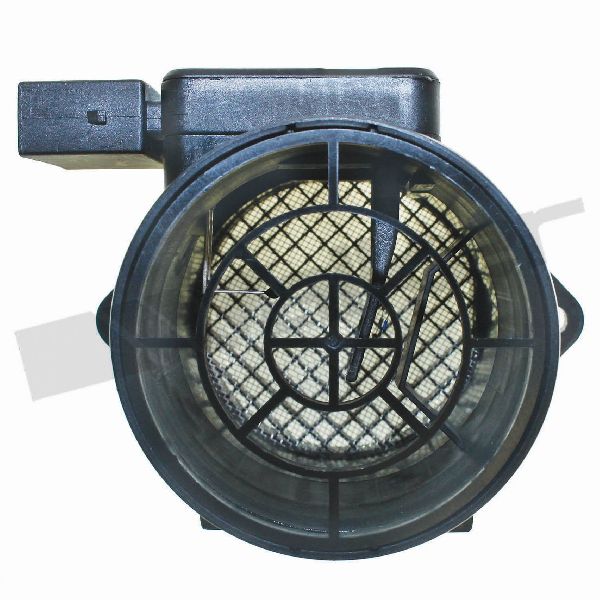
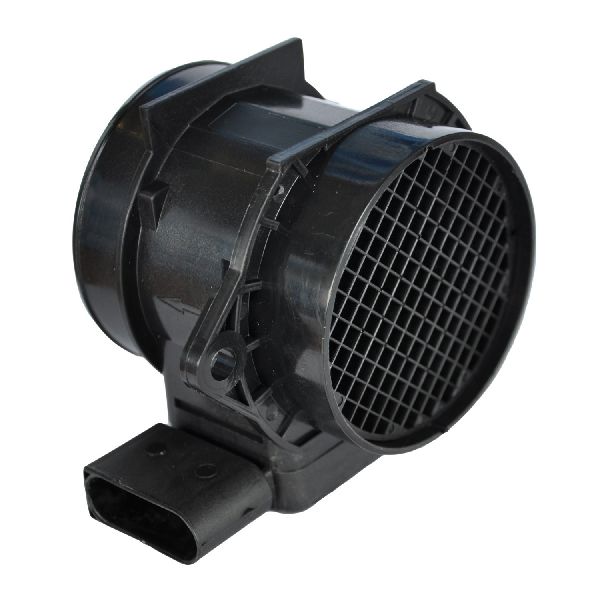
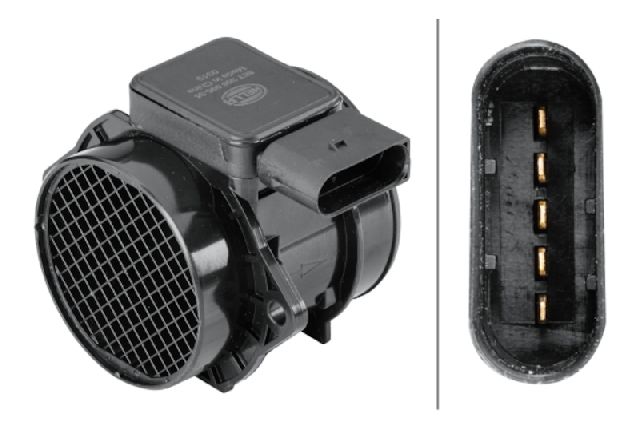
The MAF sensor for the 2011-2017 Hyundai Tucson is a hot-film type sensor integrated into a section of the intake duct. It typically uses a 5-pin connector that includes power, ground, and signal wires for both the mass airflow and intake air temperature sensors.
We Have This Part in Stock



The information in this article is provided for general reference and educational purposes only. Vehicle specifications, procedures, and part compatibility can vary by production date, trim level, and region. Always consult your vehicle's factory service manual and verify part numbers before purchasing or performing repairs. Safety-critical components such as airbags, seat belts, and braking systems should be installed by a qualified professional.
- Hyundai Tucson: