

Dodge Durango Oxygen Sensor Guide (2011-2017): Symptoms, Brands, and Replacement
Everything a Durango owner needs to know about replacing a failing oxygen sensor to restore fuel economy and performance.
- A bad O2 sensor will trigger the Check Engine Light and decrease your Durango's fuel economy.
- For best results, choose an OEM-quality aftermarket brand like NTK (NGK) or Denso, as Dodge electronics can be picky.
- Your Durango has four sensors; make sure you order the correct one for the specific location (e.g., Bank 1, Sensor 2).
- Replacing a sensor is a feasible DIY job with the right tool (an O2 sensor socket), but sensors can be difficult to remove if rusted.
Is Your Durango's Oxygen Sensor Failing?

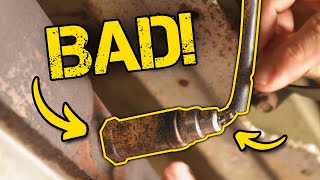
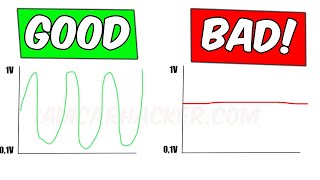
A bad oxygen sensor is a common issue that can sneak up on you. The first sign for most drivers is a lit Check Engine Light on the dashboard. You might also notice your fuel economy getting worse, as the engine's computer can no longer accurately balance the air-fuel ratio. Other signs include a rough or unstable idle, hesitation when you accelerate, and in some cases, a rotten egg or sulfur smell from the exhaust. Ignoring these symptoms can lead to more expensive problems, like a damaged catalytic converter, which is much costlier to replace than an O2 sensor.
Don't Ignore a Failing O2 Sensor
While you can technically drive with a bad O2 sensor, it's not recommended. The engine will run inefficiently, wasting fuel and potentially causing long-term damage to your catalytic converters. A replacement can cost over $1,000, far more than the sensor itself.
Choosing the Right Aftermarket Oxygen Sensor

When shopping for a new aftermarket oxygen sensor for your 2011-2017 Durango, you'll find several brands. Not all are created equal, but many offer quality that meets or exceeds the original part, often because they are the original manufacturer. Dodge vehicles can be sensitive to sensor electronics, so choosing a reputable brand is important.
Brand Quality Tiers for Dodge Durango
- Top Tier (OEM Quality): Brands like NTK (NGK) and Denso are often the original equipment manufacturers (OEM) for Mopar parts. Choosing one of these is the closest you can get to buying a part from the dealer, often at a better price. They are highly recommended by mechanics and Durango owners for their reliability and perfect fit.
- Mid Tier (Reliable Aftermarket): Bosch and Delphi are well-known brands that produce quality sensors. While Bosch invented the O2 sensor, some forum users suggest that Dodge vehicles sometimes prefer NTK or Denso sensors. However, they remain a solid and widely available choice.
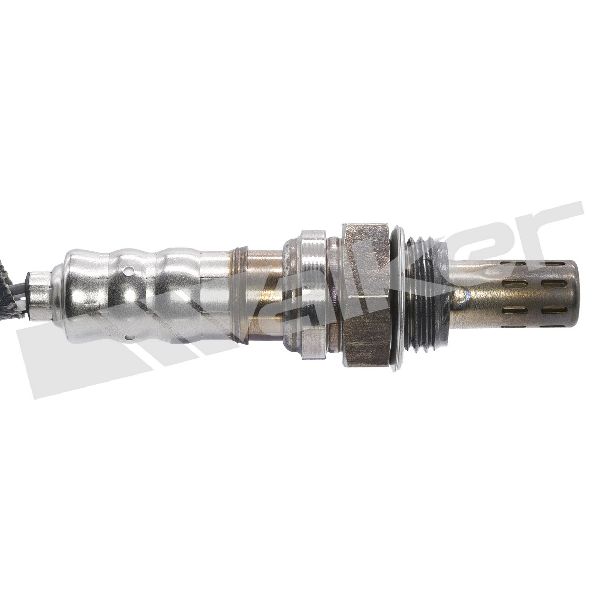
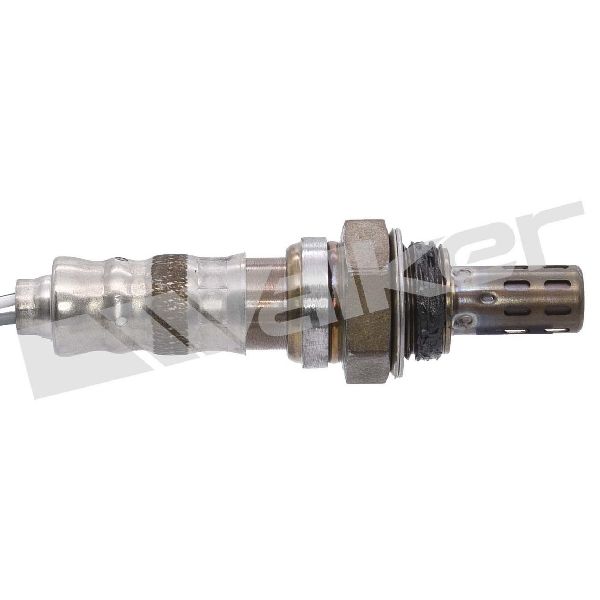
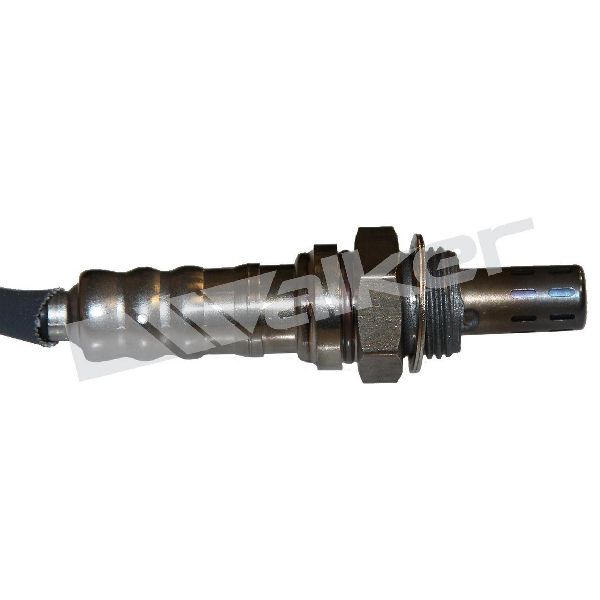
- Economy Tier (Budget-Friendly): Brands like Walker Products and DriveWire offer a more budget-conscious option. They can be a good choice if you're on a tight budget, but may not have the same longevity or precise calibration as top-tier brands.
Upstream vs. Downstream: Know the Difference
Your Durango has both upstream (before the catalytic converter) and downstream (after the catalytic converter) sensors. They are not interchangeable. The upstream sensors are crucial for fuel control, while the downstream sensors monitor the converter. Always verify the exact position (e.g., Bank 1 Sensor 1, Bank 2 Sensor 2) before ordering. Bank 1 is the passenger side of the engine, and Bank 2 is the driver's side.
🎬 Watch: Visual guide to sensor locations and bank numbersKnown Issues, Recalls, and TSBs
Searches for the 2011-2017 Dodge Durango did not reveal any specific recalls or widespread Technical Service Bulletins (TSBs) directly related to oxygen sensor failure. However, a recall for 2011-2013 models concerning the fuel pump relay in the TIPM module could cause stalling, which might be misdiagnosed as a sensor issue. Additionally, some slow-response error codes (like P013A, P013C) can be triggered by exhaust leaks or other issues, not just a bad sensor.
Oxygen Sensor Replacement Cost (2011-2017 Dodge Durango)

| Part/Service | Estimated Cost |
|---|---|
| New Aftermarket Oxygen Sensor | $39 - $84 |
| New OEM (Mopar) Oxygen Sensor | $130 - $354 |
| Shop Labor Cost (per sensor) | $90 - $135 |
| Total Professional Replacement (Aftermarket Part) | $129 - $219 |
| Total Professional Replacement (OEM Part) | $220 - $489 |
Cost estimates are for a single sensor and can vary by location and specific sensor position. Labor costs are based on an estimated 0.5-1.0 hour replacement time.
Frequently Asked Questions (FAQ)

How many oxygen sensors does my 2011-2017 Durango have?
Both the 3.6L V6 and the 5.7L V8 engines in this generation of Durango typically have four oxygen sensors: two upstream (one for each engine bank) and two downstream (one for each catalytic converter).
Can I replace just one oxygen sensor?
Yes, you only need to replace the sensor that has failed. However, O2 sensors tend to have a similar lifespan. If one has failed due to high mileage (over 80,000-100,000 miles), it's often a good idea to replace them in pairs (e.g., both upstream sensors) to save on future labor costs.
Is replacing an O2 sensor a DIY job?
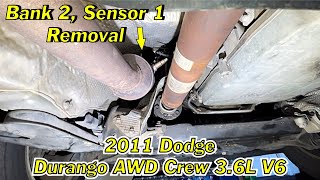
For many owners, yes. The difficulty is typically low to moderate. The sensors are located on the exhaust pipes and can usually be accessed from under the vehicle. The main challenge can be removing the old sensor, which can be seized due to heat and rust. Using a special O2 sensor socket and penetrating oil is highly recommended. 🎬 See this step-by-step Durango O2 sensor replacement walkthrough Some sensors, particularly on the driver's side (Bank 2), may be harder to reach.
What are the most common O2 sensor error codes?
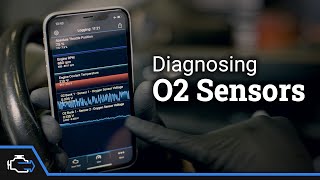
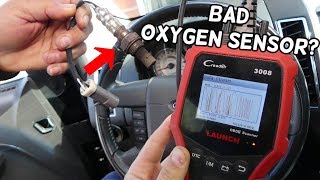
Common codes include P013A, P013C, P015A, or P015C for slow sensor response. You may also see codes for heater circuit malfunctions (P0135, P0141, P0155, P0161) or voltage issues (e.g., P0157 - low voltage). A code reader is necessary to identify which specific sensor is causing the Check Engine Light.
🎬 Watch: How to check for bad sensors using a scannerHelpful Videos

Technical Specifications
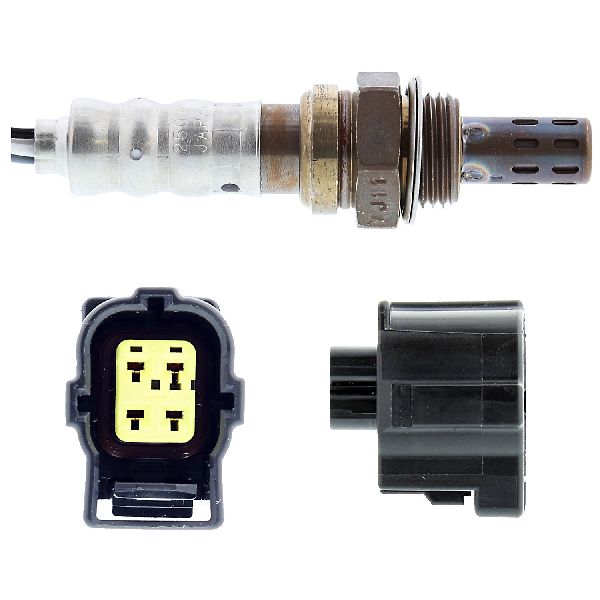
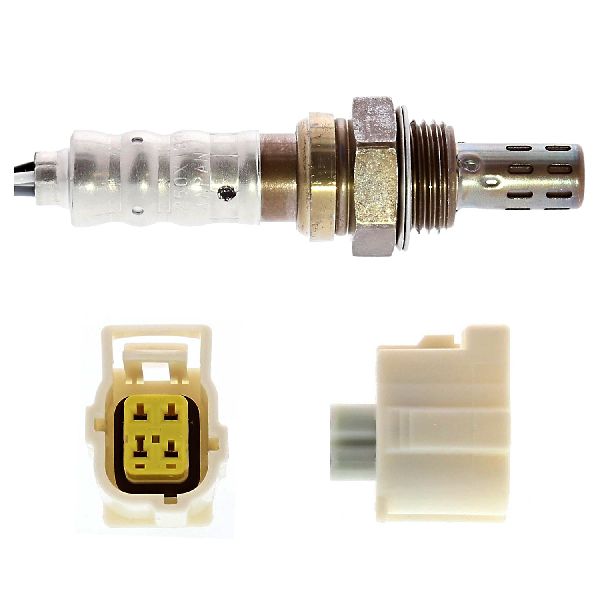
OEM Part Numbers: 5149171AB 5149180AB
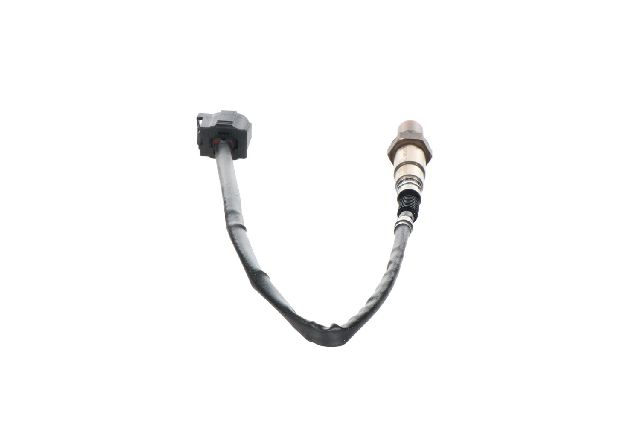
Your Durango uses four heated, 4-wire oxygen sensors. Upstream and downstream sensors are different parts and are not interchangeable. Bank 1 is the passenger side, Bank 2 is the driver's side.
We Have This Part in Stock

The information in this article is provided for general reference and educational purposes only. Vehicle specifications, procedures, and part compatibility can vary by production date, trim level, and region. Always consult your vehicle's factory service manual and verify part numbers before purchasing or performing repairs. Safety-critical components such as airbags, seat belts, and braking systems should be installed by a qualified professional.
- Dodge Durango: