

Chrysler 200 Serpentine Belt Replacement Guide (2011-2017)
Fix engine squealing and prevent a breakdown by choosing the right serpentine belt for your 2011-2017 Chrysler 200.
- Squealing noises are the most common symptom of a failing belt, but the noise could also be a bad tensioner or idler pulley.
- For a reliable, long-term repair, it is highly recommended to replace the belt, tensioner, and idler pulleys together as a kit.
- Owners of 2011-2014 3.6L V6 models should be aware of TSB 07-002-15 regarding a faulty idler pulley that causes cold-start noise.
- Premium aftermarket brands like Gates, Dayco, and Continental offer excellent quality and are a reliable alternative to OEM parts.
Is Your Chrysler 200 Serpentine Belt Failing?


A serpentine belt doesn't last forever. The rubber degrades over time due to heat and friction. Before it fails completely and leaves you stranded, your car will usually give you clear warning signs. Ignoring them can lead to a sudden breakdown and potential damage to other engine components.
Common Failure Symptoms:
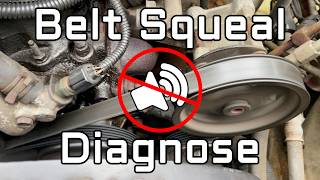
- Squealing or Chirping Noises: This is the most common symptom. You'll hear a high-pitched noise from the engine bay, especially on cold starts or when turning the A/C on. 🎬 Watch: How to diagnose the source of your belt noise. This noise is often caused by a worn, cracked, or slipping belt.
- Grinding or Rumbling Sounds: A deeper grinding noise often points to a failing bearing in the belt tensioner or an idler pulley, not the belt itself. However, a bad pulley will quickly destroy a new belt, so these parts should be inspected together.
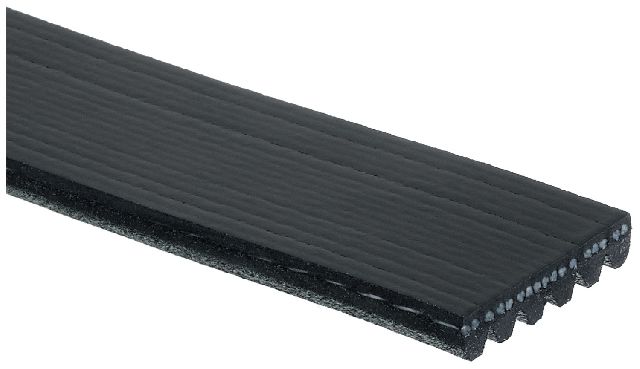
- Visible Cracks, Fraying, or Glazing: A visual inspection can reveal the belt's health. If you see multiple cracks, frayed edges, or a smooth, shiny surface (glazing) on the ribbed side, the belt is due for replacement.
- Accessory Failure: If your power steering fails, your battery light comes on, or the engine starts to overheat, the serpentine belt may have already broken.
Known Issue for 3.6L V6 Engines (2011-2014)
Chrysler issued a Technical Service Bulletin (TSB 07-002-15) for some 2011-2014 models with the 3.6L V6 engine. This TSB addresses a loud, high-frequency squeal or chirp during a cold start (below 32°F / 0°C) that lasts for about 90 seconds. The problem is a faulty idler pulley, not the belt itself. The official fix is to replace the original idler pulley with an updated part. If your car exhibits this specific symptom, ensure the idler pulley is replaced along with the belt.
Choosing the Right Aftermarket Serpentine Belt

You don't need to buy a dealership part to get reliable performance. High-quality aftermarket brands often meet or exceed OEM specifications and can offer better value. For a critical part like a serpentine belt, it's best to stick with reputable manufacturers.
Brand Quality Tiers
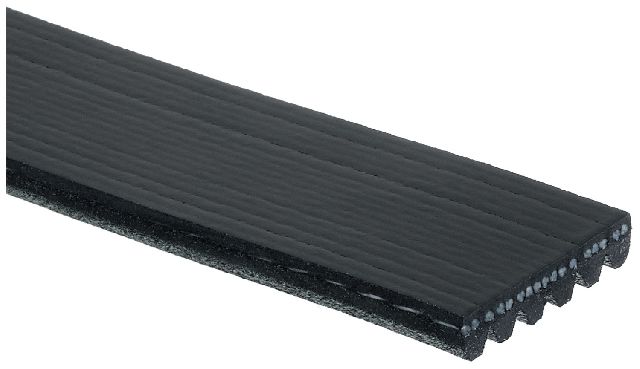
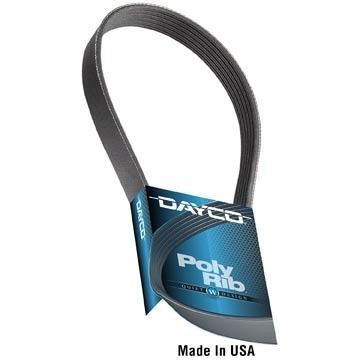
- Premium Brands (Gates, Continental, Dayco, INA): These are top-tier, trusted names in the industry. They use high-quality EPDM rubber compounds that resist heat, cracking, and oil contamination. Gates and Dayco are frequently recommended and offer kits that include the belt, tensioner, and idler pulleys, which is the best practice for a complete and lasting repair. INA is a world leader in belt drive system technology. You can't go wrong choosing a belt or a complete kit from any of these brands.
- Standard Brands (Crown Automotive): Crown Automotive provides parts that meet OEM specifications. While they are a solid choice, the premium brands are often preferred by professional mechanics for their advanced materials and extensive testing.
Pro Tip: Replace Components as a Kit
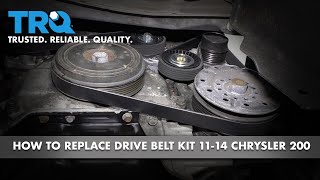
The serpentine belt, belt tensioner, and idler pulley(s) all wear out at a similar rate. A worn tensioner or seized idler pulley can cause a brand-new belt to fail in minutes. To save on future labor costs and ensure the reliability of the entire system, it is highly recommended to replace all these components at the same time using a complete kit.
🎬 See this walkthrough for replacing the full drive belt kit.Estimated Replacement Costs
The cost to replace your serpentine belt can vary based on your engine (2.4L or 3.6L) and whether you are replacing just the belt or the full component kit.
| Part | DIY Cost (Part Only) | Shop Cost (Parts & Labor) |
|---|---|---|
| Serpentine Belt Only | $33 - $61 | $130 - $210 |
| Serpentine Belt Kit (Belt, Tensioner, Idlers) | $70 - $160 | $250 - $450 |
Frequently Asked Questions

How often should the serpentine belt be replaced on a Chrysler 200?
There is no universal replacement interval. Belts should be inspected for wear, cracks, or damage during regular oil changes or at least once a year. Many mechanics recommend proactive replacement every 60,000 to 90,000 miles, even if it looks okay, to avoid being stranded by a sudden failure.
Can I replace the serpentine belt myself?
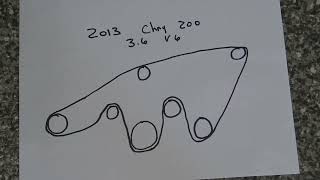
Yes, for a DIYer with the right tools, this is a manageable job on both the 2.4L and 3.6L engines. The key tool is a long-handled ratchet or a specific serpentine belt tool to release the tensioner. You must have a belt routing diagram, which is often on a sticker under the hood or can be found online. Always double-check that the belt is correctly seated in all the pulley grooves before starting the engine.
🎬 Watch: Step-by-step belt replacement guide with routing diagrams.Is there a recall on the serpentine belt for the Chrysler 200?
No, there are no specific recalls from the NHTSA for the serpentine belt or its related components on the 2011-2017 Chrysler 200.
What's the difference between the belt for the 2.4L and 3.6L engine?
The belts are different lengths and are not interchangeable. The routing of the belt around the various pulleys is also unique to each engine. You must use the correct belt for your specific engine to ensure proper function and prevent damage.
Helpful Videos
Technical Specifications
OEM Part Numbers: 5184442AC 4891721AB 05184617AD
Varies by engine (2.4L I4 or 3.6L V6). The 2.4L and 3.6L engines use different belt lengths and routing. Always verify the correct part number for your specific engine before purchase. Belts are typically made of EPDM (Ethylene Propylene Diene Monomer) rubber.
We Have This Part in Stock

The information in this article is provided for general reference and educational purposes only. Vehicle specifications, procedures, and part compatibility can vary by production date, trim level, and region. Always consult your vehicle's factory service manual and verify part numbers before purchasing or performing repairs. Safety-critical components such as airbags, seat belts, and braking systems should be installed by a qualified professional.
- Chrysler 200: