

Chrysler 200 Radiator (2011-2017): A Guide to Replacement and Repair
Keep your 2.4L or 3.6L engine from overheating by understanding the signs of a failing radiator.
- The most common failure is cracking of the plastic side tanks, causing coolant leaks.
- Replacement is much more difficult on 2015-2017 models due to the integrated A/C condenser.
- While replacing the radiator, it is highly recommended to also replace hoses and the thermostat.
- Driving with a bad radiator can lead to catastrophic engine failure; do not ignore overheating.
Is Your Chrysler 200 Radiator Failing?

If you own a 2011-2017 Chrysler 200, it's important to know the signs of a bad radiator. These cars often use radiators with plastic side tanks and an aluminum core. Over time, the plastic can become brittle and crack, causing leaks. This is one of the most common reasons for replacement.
Key Symptoms of a Failing Radiator:
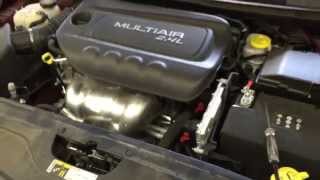
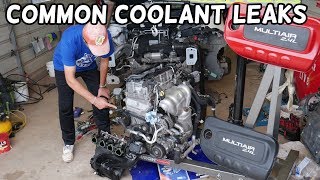
- Engine Overheating: The temperature gauge on your dashboard climbing into the red is a serious warning sign. 🎬 Watch this video to diagnose common Chrysler 200 overheating causes. This can be caused by a coolant leak, a clog inside the radiator, or a broken radiator fan.
- Visible Coolant Leaks: You may see puddles of green, orange, or pink fluid under your car. Leaks often happen where the plastic tanks are joined to the metal core or at the hose connections.
- Steam or Smoke from Engine Bay: If coolant is leaking onto hot engine parts, it will turn into sweet-smelling white steam.
- Low Coolant Light: A frequent need to add coolant to the reservoir is a sure sign of a leak somewhere in the system.
- Gunk or Rust in Coolant: If the coolant in your reservoir looks rusty or sludgy, it can mean the inside of your radiator is corroding and clogging the system.
Known Issues & TSBs
No major recalls exist for the radiator on these models. However, Technical Service Bulletin (TSB) #68143886A was issued for the engine cooling system, which includes the radiator. The most common, owner-reported failure is cracking of the plastic end tanks or the filler neck, which requires a full radiator replacement.
Choosing the Right Aftermarket Radiator

You don't need to buy an expensive OEM Mopar part from the dealer. Aftermarket brands offer good quality, often at a much lower price. They are designed to fit and work just like the original. Here’s a breakdown of quality tiers to help you choose.
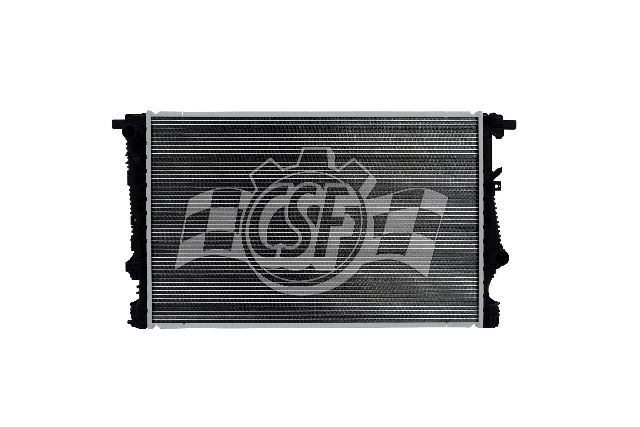
- Premium Aftermarket (Denso, CSF, Koyorad): Brands like Denso are often original equipment suppliers for many car makers, and their aftermarket parts are known for high quality and reliability. CSF and Koyorad are also well-regarded for their construction and performance. These are a great choice if you plan to keep your car for a long time.
- Quality Mid-Range (Spectra, Nissens, ACDelco): Spectra is a very common and popular aftermarket brand that offers a good balance of price and performance. While some users report shorter lifespans than premium brands, they are a reliable choice for most drivers. Nissens and ACDelco also fit into this category, offering dependable OEM-style replacements.
- Economy Options (Global Parts, Onix, One Stop Solutions): These brands provide the most budget-friendly way to get your car back on the road. They meet basic requirements and are a viable option for older vehicles or if budget is the primary concern.
Pro Tip: Replace More Than Just the Radiator
While you're replacing the radiator, it's a smart and cost-effective move to also replace the radiator hoses, thermostat, and radiator cap. These parts are inexpensive and wear out over time. Replacing them all at once saves you from having to do the same job twice and ensures the whole system is reliable.
Cost of Replacing a Chrysler 200 Radiator
The cost can vary greatly depending on whether you do the work yourself or hire a professional mechanic.
| Part / Service | Estimated Cost |
|---|---|
| New Aftermarket Radiator | $68 - $190 |
| New OEM (Mopar) Radiator | $600 - $850 |
| Shop Labor | $400 - $600 |
| Total Professional Replacement (Aftermarket Part) | $470 - $790 |
| Total Professional Replacement (OEM Part) | $1,000 - $1,450 |
Frequently Asked Questions

Is replacing the radiator a DIY job?
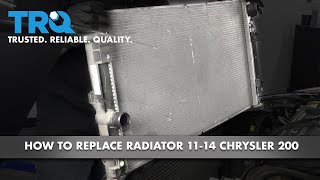
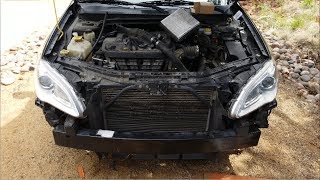
For the 2011-2014 models, it is a manageable DIY project for someone with moderate mechanical skill. There are several video guides available. 🎬 See this step-by-step radiator replacement guide for 2011-2014 models. For the 2015-2017 models, the job is more difficult because the A/C condenser is attached to the radiator. It can be tricky to separate them without discharging the A/C system, which requires special equipment. This makes the job much harder for a DIY mechanic.
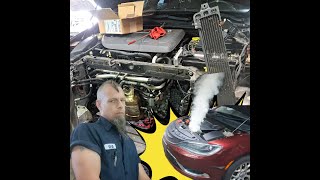
🎬 Watch a professional walk through the complex 2015-2017 radiator replacement.What's the difference between the 2011-2014 and 2015-2017 radiators?
The radiators are different parts for the two generations (1st Gen: 2011-2014, 2nd Gen: 2015-2017). They have different dimensions and mounting points. The replacement procedure for the second generation is more complex. Always ensure you are buying the correct part for your specific model year.
What type of coolant does the Chrysler 200 use?
Chrysler specifies an OAT (Organic Acid Technology) coolant that meets the MS-12106 specification. It is typically purple. Using the wrong type of coolant can cause damage to the cooling system. Always check your owner's manual to be sure.
Can I use stop-leak products for a small leak?
It is not recommended. While it might seem like a quick fix, radiator stop-leak products can clog the small passages in your radiator and heater core, leading to worse overheating problems and more expensive repairs down the road. The best solution for a leak is to replace the failing part.
Helpful Videos
Technical Specifications
OEM Part Numbers: 5191249AA 68004049AB CH3010339 CU2951
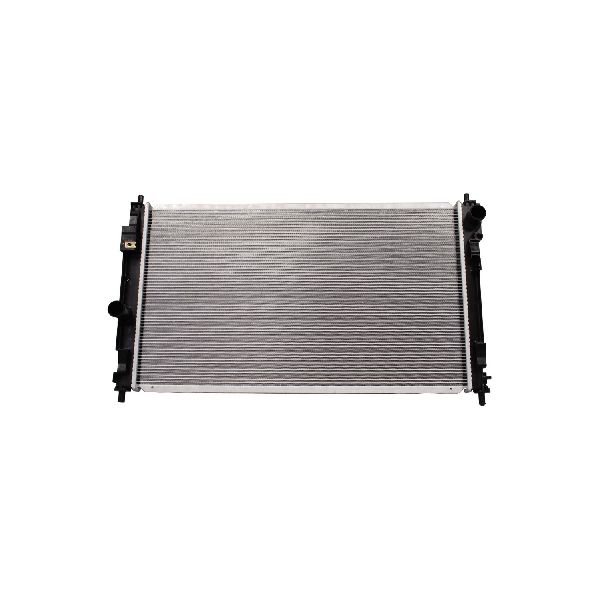
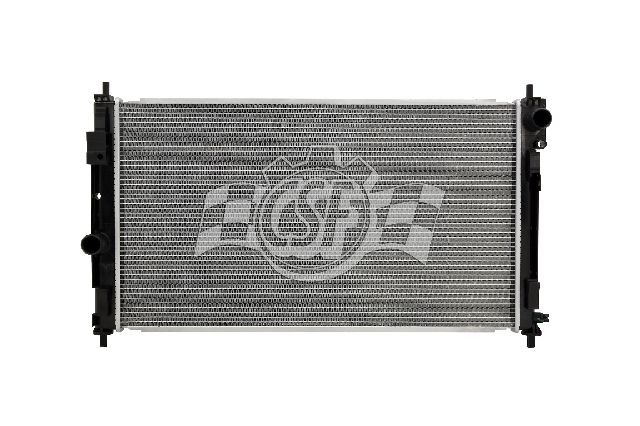
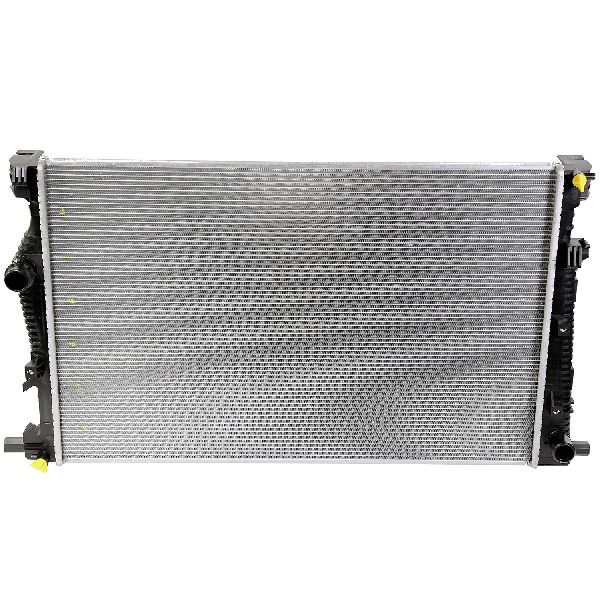
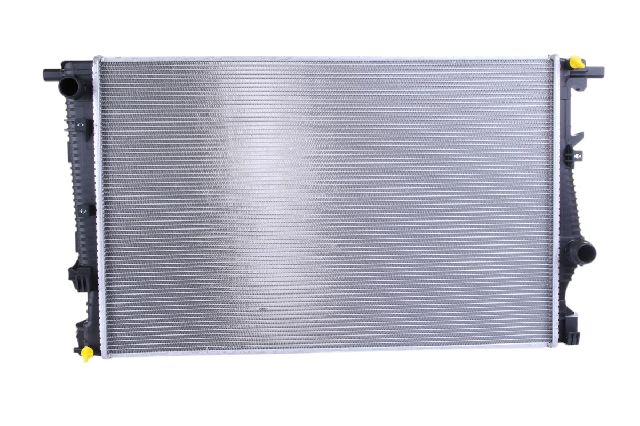
Most aftermarket and OEM radiators for the Chrysler 200 feature a plastic tank and aluminum core construction with a cross-flow design. Core thickness and fin design can vary slightly between brands.
We Have This Part in Stock


The information in this article is provided for general reference and educational purposes only. Vehicle specifications, procedures, and part compatibility can vary by production date, trim level, and region. Always consult your vehicle's factory service manual and verify part numbers before purchasing or performing repairs. Safety-critical components such as airbags, seat belts, and braking systems should be installed by a qualified professional.
- Chrysler 200: