

A Practical Guide to Oxygen Sensors for the 2011-2017 Chrysler 200
Keep your Chrysler 200 running efficiently by understanding its oxygen sensors and choosing the right replacement part.
- Check if your 2.4L model is covered by the U90 recall for a free sensor replacement before buying parts.
- Use only OEM-equivalent brands like Denso or NTK to avoid compatibility issues with Chrysler's sensitive electronics.
- Your Chrysler 200 has either two (2.4L) or four (3.6L) sensors; correctly identify the failed sensor's location before purchasing.
- A special O2 sensor socket is essential for DIY replacement to prevent damaging the part.
Signs of a Failing Oxygen Sensor

When an oxygen sensor starts to fail, your car will tell you. The most obvious sign is a Check Engine Light on your dashboard. You may also notice other performance issues, such as:
- Worse gas mileage than usual
- A rough or shaky idle
- Engine hesitation or sluggish performance
- Failing a state emissions test
A diagnostic scan tool can read the specific trouble code to confirm if an O2 sensor is the problem and which one needs replacement. Common codes include P0133 for slow sensor response.
Important Recall for 2.4L Engines
For certain 2015-2017 Chrysler 200 models with the 2.4L engine, FCA issued emissions recall U90 (NHTSA 18V-524). This recall replaces the catalytic converter, and the service procedure includes the free replacement of both the upstream and downstream oxygen sensors. Before buying any parts, check with a Chrysler dealer to see if your vehicle is covered by this recall.
Choosing the Right Aftermarket Oxygen Sensor

When it comes to electronics on Chrysler vehicles, not all aftermarket brands are created equal. Owner forums and mechanic experiences show that Chrysler's engine computers can be sensitive to the signals from O2 sensors.
Brand Quality Tiers for Your Chrysler 200
- Tier 1: OEM-Equivalent (Recommended): Brands like Denso and NGK (NTK) are the original equipment manufacturers for many Chrysler vehicles. Choosing one of these brands is the safest bet to ensure compatibility and avoid persistent check engine lights. They are designed to meet the exact specifications and response times your car's computer expects.
- Tier 2: Reputable Aftermarket: Brands like Bosch and Delphi are well-known parts suppliers. However, many Chrysler owners report issues with check engine lights returning after installing Bosch sensors. While they may work, there is a higher risk of compatibility problems compared to Denso or NTK.
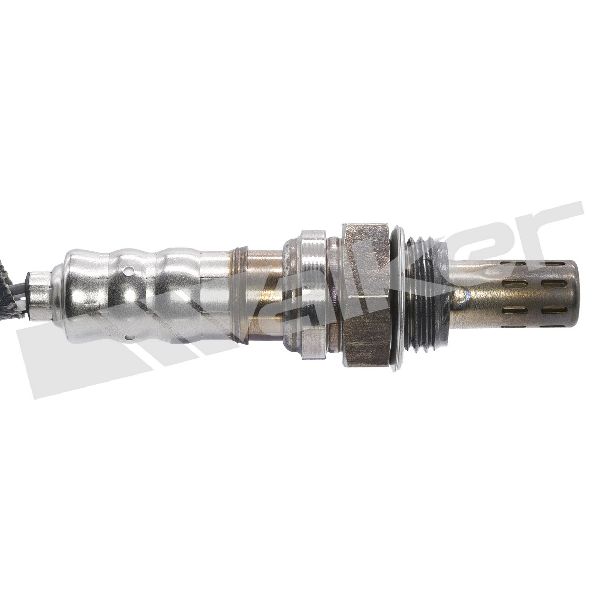
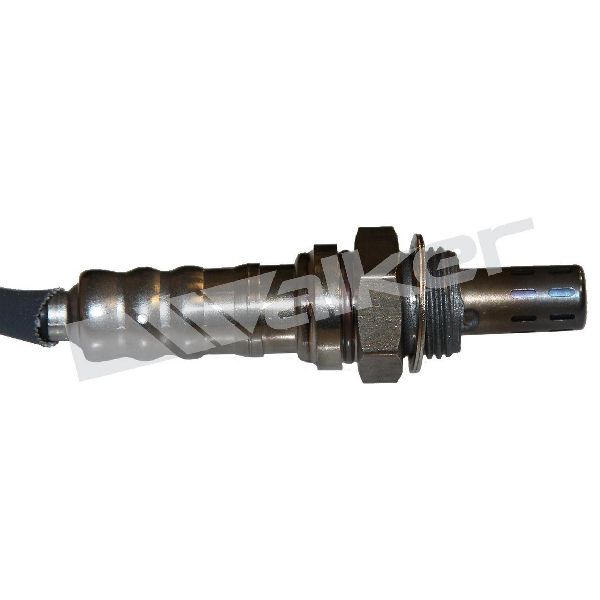
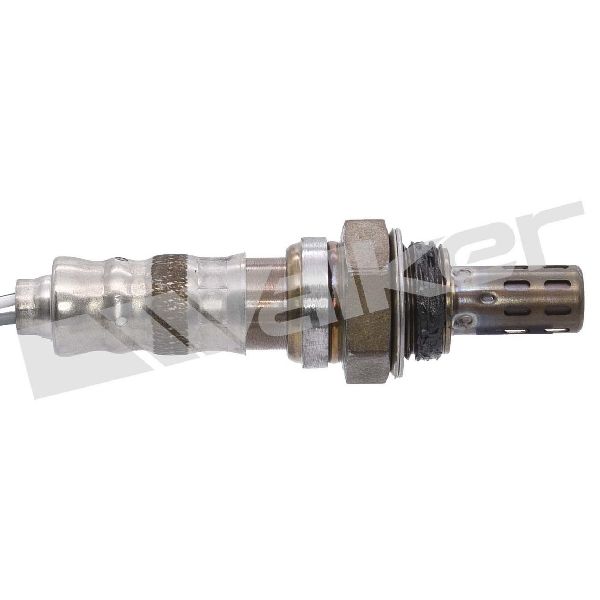
- Tier 3: Budget Brands: Brands like DriveWire, Crown Automotive, and Walker Products offer a lower-cost alternative. These can be a viable option if budget is the primary concern, but be aware that the risk of premature failure or incompatibility is higher.
Pro Tip: To avoid issues, stick with Denso or NTK. The small amount of money saved on a budget sensor is often not worth the potential hassle of a recurring check engine light and further diagnosis.
How Many Sensors and Where Are They?

Your Chrysler 200 has either two or four oxygen sensors, depending on the engine:
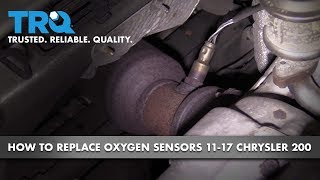
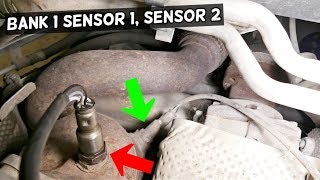
- 2.4L 4-Cylinder Engine: Typically has two sensors. One upstream (Sensor 1) before the catalytic converter and one downstream (Sensor 2) after it.
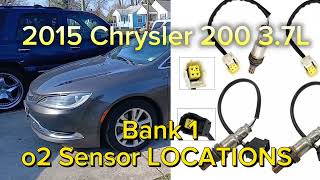
- 3.6L V6 Engine: Has four sensors. There are two banks for the V6. Bank 1 is the cylinder bank closer to the firewall, and Bank 2 is closer to the radiator. Each bank has one upstream sensor and one downstream sensor.
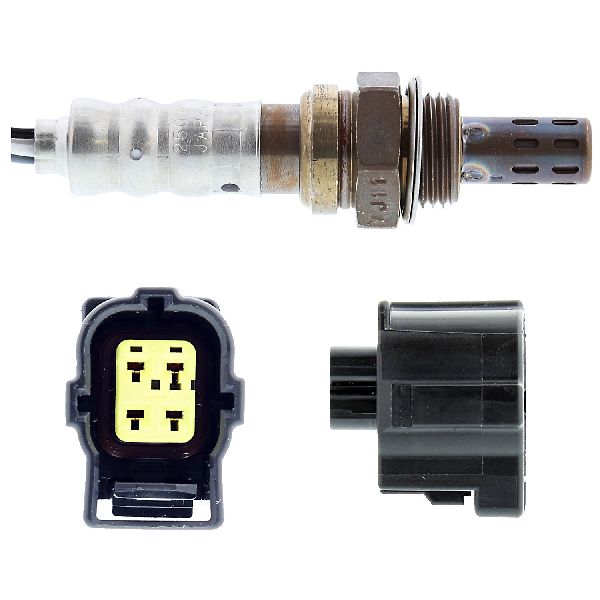
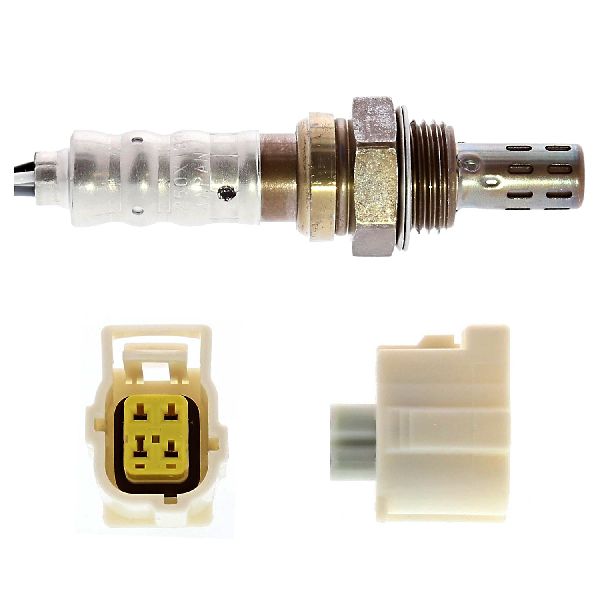
It is crucial to identify the correct failed sensor before ordering a replacement. The wire harness length and connector plugs can be different for each position.
| Part/Service | Estimated Cost |
|---|---|
| New OEM (Mopar) Part | $120 - $199 |
| New Aftermarket Part | $40 - $154 |
| Shop Labor | $50 - $75 |
| Total Shop Replacement (1 Sensor) | $225 - $275 |
Frequently Asked Questions

Do I need a special tool to replace an oxygen sensor?
Yes, it is highly recommended. A special oxygen sensor socket has a slot down the side to fit over the sensor's wire. Using one prevents damage to the wire and makes removal and installation much easier.
What is the difference between an upstream and downstream sensor?
The upstream sensor (Sensor 1) is located before the catalytic converter and is a primary input for controlling the engine's air-fuel mixture. The downstream sensor (Sensor 2) is after the catalytic converter and its main job is to monitor the converter's efficiency.
Can I clean my old oxygen sensor instead of replacing it?
While some people attempt to clean O2 sensors, it is not a reliable or recommended repair. The sensing elements become contaminated and worn out internally over time. Replacement is the only way to guarantee proper function.
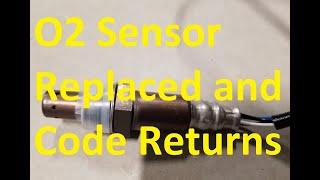
My check engine light came on after replacing the sensor. What's wrong?
This is a common issue, especially if a non-recommended brand was used. Chrysler vehicles are known to be sensitive to sensor brands. The issue could be an incompatible part. If you used a Denso or NTK sensor, double-check for wiring damage or exhaust leaks, or see if your vehicle's computer needs a software update as mentioned in TSB 18-023-16.
Helpful Videos
Technical Specifications
OEM Part Numbers: 5149171AA 5149171AB 5149180AA 5149180AB 68195741AA
Your vehicle uses heated, 4-wire Zirconia oxygen sensors. The specific wire length and connector keying are different for upstream/downstream and bank 1/bank 2 positions. Always verify the exact part number for the specific location.
We Have This Part in Stock


The information in this article is provided for general reference and educational purposes only. Vehicle specifications, procedures, and part compatibility can vary by production date, trim level, and region. Always consult your vehicle's factory service manual and verify part numbers before purchasing or performing repairs. Safety-critical components such as airbags, seat belts, and braking systems should be installed by a qualified professional.
- Chrysler 200: