

Chrysler 200 Camshaft Position Sensor: A Guide for 2011-2017 Models
Experiencing starting issues or a rough idle in your Chrysler 200? Your camshaft position sensor might be the culprit.
- Verify your engine size (2.4L vs. 3.6L) before ordering, as the number of sensors and replacement difficulty varies greatly.
- For Chrysler vehicles, using an OEM Mopar sensor is strongly recommended to avoid premature failure and repeat repairs.
- A Check Engine Light with codes P0340 or P0344 is a strong indicator of a failing camshaft position sensor.
- Replacing the Bank 2 sensor on the 3.6L V6 is a difficult job that requires removing the intake manifold and may be best for a professional.
Is Your Chrysler 200 Running Rough?

If your 2011-2017 Chrysler 200 is having trouble starting, stalling unexpectedly, or running poorly, a failing camshaft position sensor is a common cause. This sensor is vital for engine timing, and when it fails, it can cause a range of frustrating issues. Replacing it can often solve these problems and restore your car's performance. However, before you buy, it's crucial to understand the specific needs of your vehicle, as they differ significantly between the 2.4L and 3.6L engines.
Know Your Engine: A Critical First Step
The most common mistake when ordering this part is not knowing which engine your Chrysler 200 has. The number and location of the sensors are different.
- 2.4L 4-Cylinder Engine: Typically has one or two camshaft position sensors that are relatively easy to access on the cylinder head. 🎬 Watch this step-by-step replacement guide for the 2.4L 4-cylinder engine.
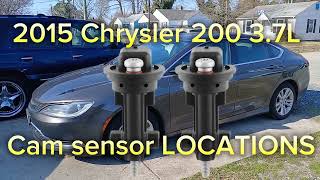
- 3.6L V6 Engine: Has two camshaft position sensors. One (Bank 1) is easy to access, but the second (Bank 2) is located under the upper intake manifold, making it much more difficult to replace. 🎬 See how to locate and replace both sensors on the 3.6L V6.
Always verify your engine size before ordering to ensure you get the correct part and understand the scope of the repair.
Common Symptoms of Failure

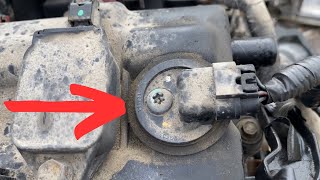
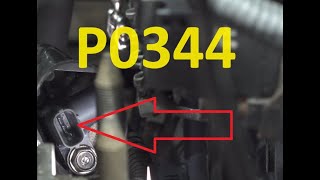
A bad camshaft position sensor will usually trigger the Check Engine Light. You can confirm the issue by scanning for diagnostic trouble codes (DTCs). Common codes for this issue are P0340 and P0344. 🎬 Learn more about diagnosing and fixing the P0344 trouble code. Other symptoms include:
- Hard Starting or No Start: The engine cranks for a long time before starting, or won't start at all.
- Engine Stalling: The engine may shut off unexpectedly, either at idle or while driving.
- Rough Idle and Misfires: The car may shake or shudder when stopped.
- Poor Acceleration: You'll notice a lack of power or hesitation when you press the gas pedal.
- Reduced Fuel Economy: Your car may start using more gas than usual.
Choosing the Right Aftermarket Sensor

When it comes to engine sensors on Chrysler vehicles, the quality of the part matters immensely. While many budget-friendly aftermarket options are available, owner and mechanic feedback strongly suggests a cautious approach.
Pro Tip: For critical electronic sensors on Chrysler products, using the OEM Mopar part is highly recommended. Many owners report that aftermarket sensors can fail quickly or not work correctly out of the box, leading you to do the job twice. If you choose aftermarket, consider premium brands known to be OEM suppliers, such as NGK/NTK.
Brand Tiers for Your Consideration:
- Tier 1 (OEM & Premium): Mopar (OEM), NGK/NTK. These are your most reliable options. They are designed specifically for your vehicle's sensitive electronics and have the lowest failure rates.
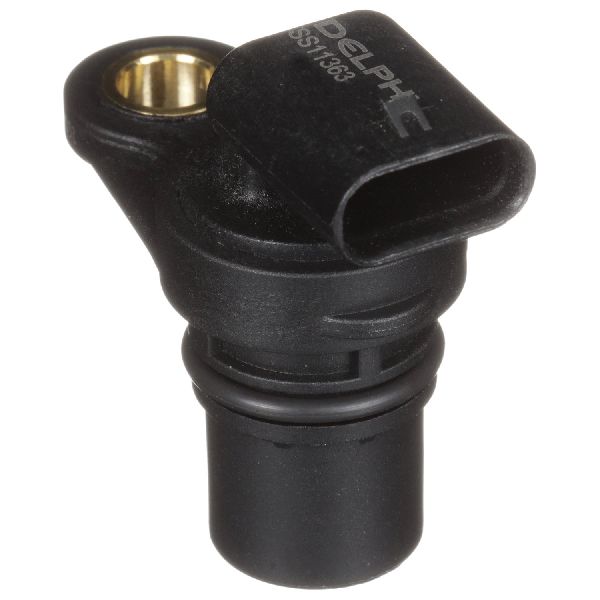
- Tier 2 (Reputable Aftermarket): Delphi, Hitachi, Standard Ignition (SMP). These brands have a generally good reputation, but for this specific part on a Chrysler, they are still considered a step down from OEM.
- Tier 3 (Budget/Economy): This category includes many lower-priced brands. While the cost is attractive, the risk of premature failure is significantly higher. Using these parts can lead to recurring symptoms and additional labor costs.
Cost of Replacing the Camshaft Position Sensor
The cost can vary widely based on your engine and whether you do the work yourself or hire a professional.
| Item | Estimated Cost |
|---|---|
| New OEM (Mopar) Sensor | $85 - $150 per sensor |
| New Aftermarket Sensor | $20 - $130 per sensor |
| Shop Labor (2.4L or 3.6L Bank 1) | $50 - $100 |
| Shop Labor (3.6L Bank 2) | $200 - $400+ (due to intake manifold removal) |
Note: Prices are estimates and can vary by location and supplier. Labor for the 3.6L Bank 2 sensor is much higher due to the added complexity.
Frequently Asked Questions

How many camshaft sensors does my Chrysler 200 have?
It depends on your engine. The 2.4L 4-cylinder model has one or two sensors. The 3.6L V6 model has two sensors.
Can I replace just one sensor on my 3.6L V6?
Yes. It is common to only replace the sensor that has failed. However, if you are paying for the labor to remove the intake manifold to access the Bank 2 sensor, some mechanics may recommend replacing both sensors at the same time to save on future labor costs.
Is this a difficult DIY job?
For the 2.4L engine and the easily accessible sensor on the 3.6L V6, the replacement is straightforward for a DIYer with basic tools (a ratchet and a T30 Torx or 10mm socket). However, replacing the Bank 2 sensor on the 3.6L V6 is a much more involved job that requires removing the upper intake manifold and is best left to experienced mechanics.
Are there any recalls for the camshaft position sensor?
As of early 2026, there are no specific, widespread NHTSA recalls for the camshaft position sensor on the 2011-2017 Chrysler 200. Failures are handled on a case-by-case basis as a standard repair.
Helpful Videos
Technical Specifications
OEM Part Numbers: 5149141AF 68080819AD 5033308AB 5149167AF PC893
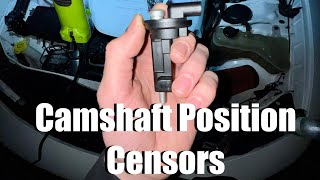
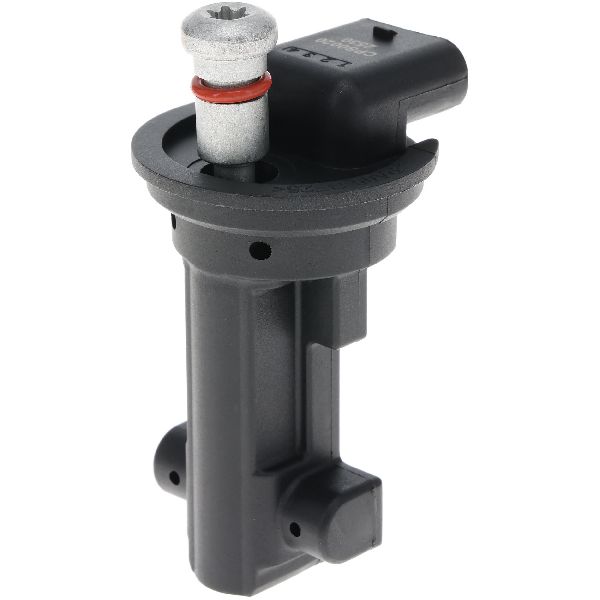
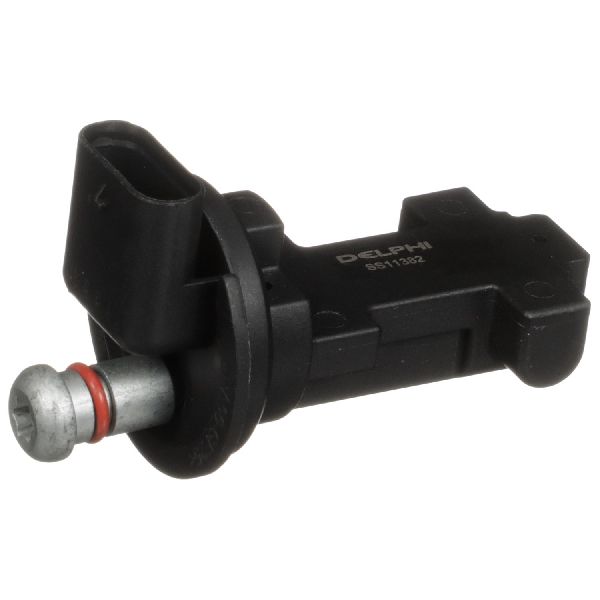
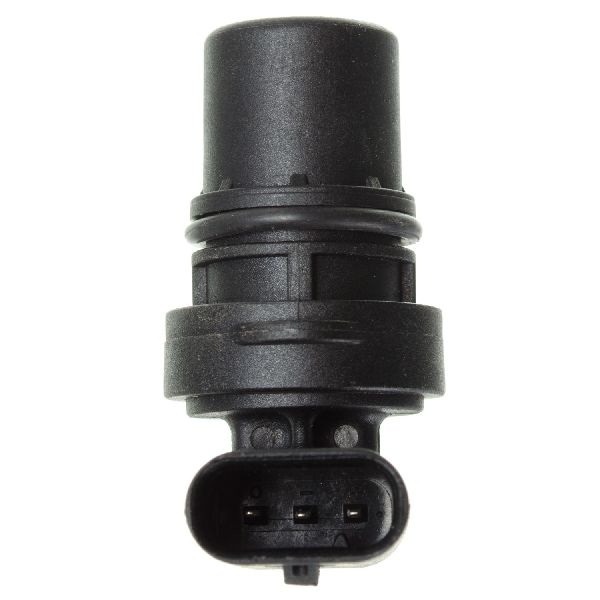
The sensor is a Hall effect type, typically with a 3-pin oval electrical connector. It is secured by a single bolt (T30 Torx or 10mm hex head). The 3.6L V6 uses two sensors, while the 2.4L uses one or two.
We Have This Part in Stock


The information in this article is provided for general reference and educational purposes only. Vehicle specifications, procedures, and part compatibility can vary by production date, trim level, and region. Always consult your vehicle's factory service manual and verify part numbers before purchasing or performing repairs. Safety-critical components such as airbags, seat belts, and braking systems should be installed by a qualified professional.
- Chrysler 200: