

Chevrolet Cruze MAP Sensor Guide: 2011-2017 Models
Dealing with a Check Engine light and rough running in your Cruze? Your MAP sensor might be the culprit.
- A bad MAP sensor on a Cruze causes poor mileage, rough idle, and power loss, usually with a P0106 or P0107 code.
- Replacement is very easy and DIY-friendly, requiring only one bolt and about 15 minutes.
- Before replacing, rule out the common 1.4L PCV system failure, which can cause identical symptoms and codes.
- While affordable, aftermarket sensors can be problematic on a Cruze; an OEM part is a safer, more reliable choice.
Is Your Cruze Running Rough? It Could Be The MAP Sensor.


If your 2011-2017 Chevrolet Cruze is suddenly getting poor gas mileage, idling erratically, or hesitating when you step on the gas, a faulty Manifold Absolute Pressure (MAP) sensor could be to blame. This small electronic sensor plays a big role in how your engine performs. When it fails, it can cause a variety of noticeable problems and will almost always trigger the Check Engine light.
Symptoms of a Failing MAP Sensor
A bad MAP sensor sends incorrect information to your car's computer, throwing off the air-fuel mixture. This can lead to several issues:
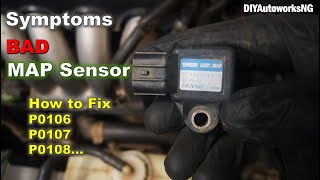
- Check Engine Light: This is the most common sign. You'll likely see codes like P0106, P0107, or P0108 when you scan the vehicle.
- Poor Fuel Economy: If the sensor incorrectly tells the computer the engine is under high load, the system will inject too much fuel, hurting your mileage.
- Rough Idle: The engine may shake or idle unevenly because the air-fuel mixture is unstable.
- Lack of Power & Hesitation: Your Cruze may feel sluggish and slow to respond when you accelerate.
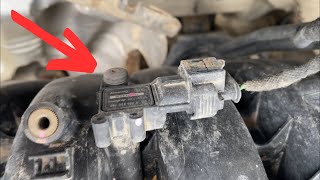
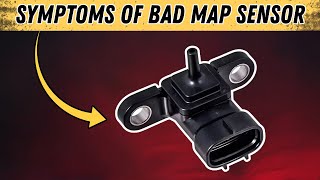
- Black Smoke from Exhaust: In severe cases of a rich fuel mixture (too much fuel), you might see black smoke coming from the tailpipe. 🎬 Watch: A clear explanation of bad MAP sensor symptoms.
A Note on Cruze-Specific Issues
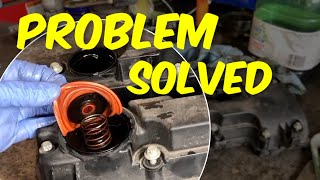
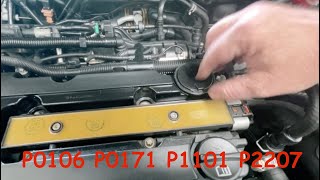
Before you replace the MAP sensor, be aware of a very common problem on the 1.4L turbo engine: PCV system failure. A failed check valve in the intake manifold or a torn diaphragm in the valve cover can cause a vacuum leak that triggers the same codes as a bad MAP sensor (especially P0171, P0106, and P1101). If you hear a whistling or hissing sound from the engine bay at idle, investigate the PCV system first. 🎬 See how to diagnose common PCV and MAP sensor faults. There are also Technical Service Bulletins (TSBs) for issues like charge air cooler icing in extreme cold, which can set similar diagnostic codes.
Choosing a New Aftermarket MAP Sensor
When it comes to engine sensors for the Chevrolet Cruze, there is a debate between OEM and aftermarket quality. Many experienced owners and mechanics report that Cruzes can be sensitive to non-OEM sensors, sometimes leading to persistent issues even after replacement.
An OEM sensor from ACDelco/GM is the safest bet for guaranteed compatibility and reliability. However, they come at a higher price. A new aftermarket sensor, like a 'Replacement' brand part, offers a significant cost saving, making it a tempting option for a budget-conscious repair. While many aftermarket sensors work fine, be aware there is a higher risk of them being calibrated incorrectly or failing prematurely compared to the OEM part. If you choose an aftermarket sensor, be prepared for the possibility that it may not solve the problem if the vehicle's computer does not respond well to it.
Easy DIY Replacement
Replacing the MAP sensor on a 2011-2017 Cruze is a straightforward job that most DIYers can handle in under 15 minutes. It's held in by a single bolt and is easily accessible on both the 1.4L and 1.8L engines.
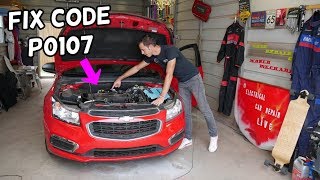
- Location (1.8L): On the back of the intake manifold, near the top of the engine. 🎬 Watch this 1.8L MAP sensor location and replacement walkthrough.
- Location (1.4L Turbo): On the driver's side of the plastic intake manifold.
- Tool Needed: A single Torx bit (usually T25 or T30) and a ratchet.
To replace it, simply disconnect the electrical plug, undo the bolt, and gently wiggle the old sensor out. Lightly lubricate the O-ring on the new sensor with clean engine oil before inserting it to ensure a good seal.
Cost of Replacing a MAP Sensor
| Part/Service | Estimated Cost |
|---|---|
| New OEM (ACDelco) | $57 - $81 |
| New Aftermarket | $33 - $43 |
| Shop Labor | $58 - $85 |
| Total Shop Replacement (Aftermarket) | $91 - $128 |
| Total Shop Replacement (OEM) | $115 - $166 |
Frequently Asked Questions
Can I clean my MAP sensor?
It is generally not recommended to clean a MAP sensor, especially with chemical cleaners or compressed air. The internal components are sensitive and can be easily damaged. If the sensor is contaminated with oil or debris, it's a sign of other engine issues (like PCV problems) that need to be addressed. Replacement is the correct fix for a failed sensor.
What are the MAP sensor codes for a Chevy Cruze?
The most common trouble codes are P0106 (Manifold Absolute Pressure/Barometric Pressure Circuit Range/Performance Problem), P0107 (Circuit Low Input), and P0108 (Circuit High Input). You may also see related codes like P0171 (System Too Lean) or P1101 (Intake Air Flow System Performance).
Is a MAP sensor the same as a MAF sensor?
No. The MAP sensor measures pressure, while the Mass Airflow (MAF) sensor measures the volume and density of air entering the engine. Your Cruze uses both sensors to get a complete picture of what the engine is doing. A problem with either can cause similar symptoms.
Where is the MAP sensor on my 2014 Cruze 1.4L Turbo?
On the 1.4L Turbo engine, the MAP sensor is located on the driver's side of the black plastic intake manifold, making it very easy to access and replace.
Helpful Videos

Technical Specifications
OEM Part Numbers: 55573248 12591290 93192107
1-Bolt Mount, 3-Pin Electrical Connector

The information in this article is provided for general reference and educational purposes only. Vehicle specifications, procedures, and part compatibility can vary by production date, trim level, and region. Always consult your vehicle's factory service manual and verify part numbers before purchasing or performing repairs. Safety-critical components such as airbags, seat belts, and braking systems should be installed by a qualified professional.
- Chevrolet Cruze: