

Buick Regal Coolant Temperature Sensor Guide (2011-2017)
Experiencing strange engine behavior or a maxed-out temperature gauge in your 2011-2017 Buick Regal? Your coolant temperature sensor might be the culprit.
- A bad ECT sensor can cause a check engine light, poor fuel economy, overheating, and rough performance.
- A common failure symptom is a maxed-out temperature gauge and the A/C shutting off.
- Confirm if your Regal has the 2.4L or 2.0L Turbo engine, as the sensor location differs.
- The P0128 code can be caused by the sensor, but a stuck-open thermostat is a more frequent cause.
Is Your Buick Regal's Engine Coolant Temp Sensor Failing?

A bad Engine Coolant Temperature (ECT) sensor can cause a surprising number of problems in your Regal. Because the sensor's reading affects so many engine functions, a false signal can lead the computer to make poor decisions. Watch for these common signs of failure.
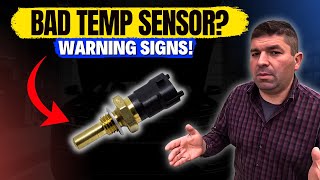
🎬 Watch this video to learn more about bad sensor symptoms.Pro Tip: Check Your Engine Before You Buy
The 2011-2017 Buick Regal was available with two main engines: the 2.4L 4-cylinder and the 2.0L Turbo 4-cylinder. The location of the ECT sensor is different for each. On the 2.4L engine, the sensor is typically located in the thermostat housing. On the 2.0L Turbo, it is often found at the rear of the cylinder head on the driver's side. Always confirm your engine to ensure you are looking for the part in the right place.
Choosing the Right Aftermarket Sensor

When replacing the ECT sensor, you have a choice between OEM (Original Equipment Manufacturer) and aftermarket parts. For a component like this, many aftermarket brands offer reliable quality that meets or exceeds original specifications. ACDelco is the original parts supplier for GM vehicles, but their "Professional" line is considered a premium aftermarket option. Other reputable aftermarket brands like NTK, Delphi, and Standard Motor Products (SMP) are also known for producing quality sensors. Given the low cost of the part, even a standard "Replacement" branded sensor can be a cost-effective solution, though some owners prefer the peace of mind that comes with a known brand or OEM part.
| Part Type | Estimated Cost | 🎬 See a breakdown of typical sensor replacement costs.
|---|---|
| New OEM (ACDelco/GM Genuine) | $15 - $40 |
| New Aftermarket (Replacement) | $20.68 |
| Shop Labor | $86 - $126 |
Vehicle-Specific Issues: TSBs and Known Problems

While no safety recalls have been issued specifically for the coolant temperature sensor on the 2011-2017 Regal, it's a part that can fail. General Motors has released Technical Service Bulletins (TSBs) for similar vehicles related to ECT sensor issues. One TSB notes that an incorrect sensor signal can cause the engine computer to mismanage the cooling system, potentially leading to overheating. Another TSB for a P111E code on some 2018 models (which may have relevance) suggests checking the sensor's electrical connector for a poor connection before replacing the part. Owners frequently report the diagnostic trouble code P0128, which indicates the engine is not reaching operating temperature quickly enough. This can be caused by a faulty ECT sensor or, more commonly, a thermostat stuck open.
Frequently Asked Questions (FAQ)

Is replacing the ECT sensor a DIY job?
Yes, for most home mechanics, this is a manageable job. The sensor is generally easy to access on both the 2.4L and 2.0L engines. You will need basic hand tools, like a deep socket wrench. Be prepared for a small amount of coolant to spill when you remove the old sensor; have the new one ready to install quickly to minimize the loss. 🎬 Watch a step-by-step guide on replacing your temperature sensor. Always perform this repair on a cold engine to avoid burns.
My car has a P0128 code. Is it the sensor or the thermostat?
The P0128 code is most often caused by a thermostat that is stuck open, but a faulty ECT sensor can also trigger it. If your primary symptom is the check engine light and a slow-to-warm engine without other issues like an erratic temperature gauge, the thermostat is the more likely culprit. However, because the sensor is inexpensive, some mechanics choose to replace both parts at the same time, especially if the thermostat housing has to be removed for access.
What happens if I don't replace a bad ECT sensor?
Ignoring a bad sensor is not recommended. You will likely experience poor fuel economy and rough engine performance. More critically, you risk engine damage from overheating if the sensor fails to tell the computer to turn on the cooling fans. Running the engine with an incorrect, overly rich fuel mixture for too long can also damage your catalytic converter.
Why is my A/C off and temperature gauge maxed out?
This is a common failure mode for a bad ECT sensor in many GM vehicles. When the computer loses the signal from the sensor or gets an illogical reading, it enters a fail-safe mode. It assumes the worst-case scenario (a severely overheated engine) and turns on the cooling fans, maxes out the temperature gauge to alert the driver, and disables the A/C compressor to reduce engine load.
Helpful Videos
Technical Specifications
OEM Part Numbers: 12656444 12636534
Two-pin, bolt-in thermistor sensor that varies resistance based on temperature.

The information in this article is provided for general reference and educational purposes only. Vehicle specifications, procedures, and part compatibility can vary by production date, trim level, and region. Always consult your vehicle's factory service manual and verify part numbers before purchasing or performing repairs. Safety-critical components such as airbags, seat belts, and braking systems should be installed by a qualified professional.
- Buick Regal: