

Choosing the Right Spark Plugs for Your 2011-2016 Honda CR-V
Keep your CR-V's engine running smoothly by understanding your spark plug options.
- Stick with OEM equivalent brands NGK or Denso for best performance and reliability in your CR-V.
- Always use Iridium spark plugs; they are what the engine was designed for and last up to 100,000 miles.
- A flashing check engine light indicates a serious misfire that requires immediate attention to prevent further damage.
- Replacing spark plugs is a simple, DIY-friendly task on the 2011-2016 CR-V that can be done in under an hour.
Symptoms of Failing Spark Plugs

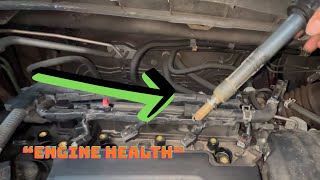
When spark plugs start to wear out, your CR-V will give you several warning signs. One of the first things you might notice is a drop in fuel economy. Other common symptoms include a rough idle, engine hesitation or stumbling during acceleration, and a general feeling that the car is 'off' or has lost power. In more serious cases, you may experience difficulty starting the engine or a flashing Check Engine Light 🎬 See how bad plugs and coils cause misfires in this CR-V., which often indicates an engine misfire.
Check Engine Light for Misfires
A flashing Check Engine Light is a serious warning. It often signals an engine misfire, which can quickly damage your expensive catalytic converter. Common misfire codes include P0300 (random misfire), and P0301, P0302, P0303, or P0304, which point to a misfire in a specific cylinder. If you see a flashing light, you should reduce your speed and have the vehicle checked as soon as possible.
Choosing the Right Aftermarket Spark Plugs

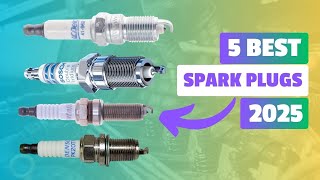
For the 2011-2016 Honda CR-V, the original equipment (OEM) spark plugs are made by either NGK or Denso. These are widely considered the best choice, even when purchased from an aftermarket retailer. They are engineered specifically for your Honda's ignition system.
Brand Quality Tiers
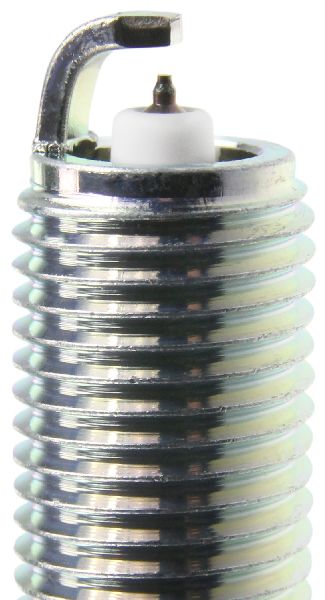
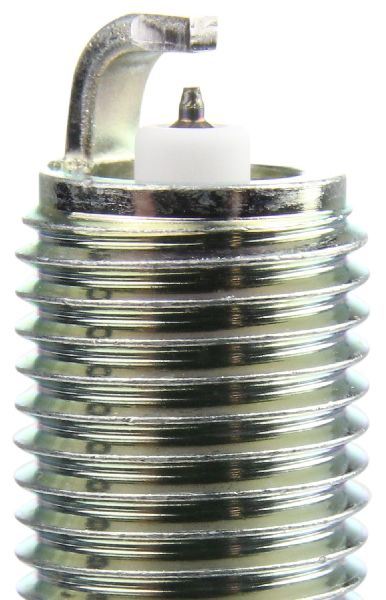
- Tier 1 (OEM Equivalent): NGK and Denso are the original suppliers for Honda. Choosing their Iridium plugs (like NGK Laser Iridium or Denso Iridium Long Life) ensures you get the same performance and longevity as the factory parts. These are highly recommended by mechanics and experienced owners.
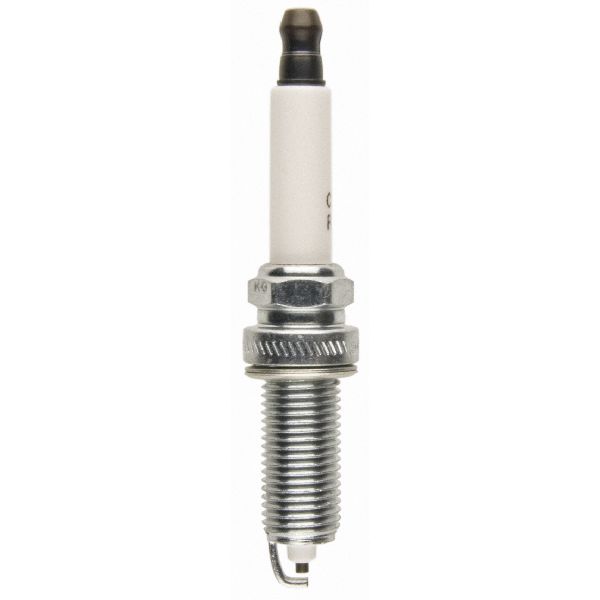
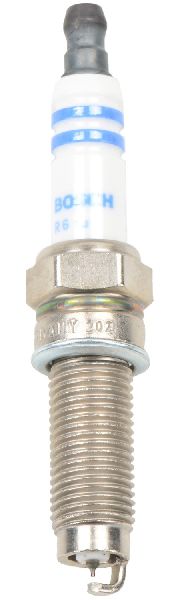
- Tier 2 (Reputable Aftermarket): Brands like Bosch offer quality Iridium and Platinum plugs that are a good alternative. They are designed to meet or exceed OEM specifications and can provide reliable performance.
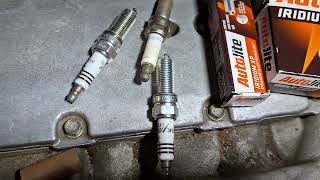
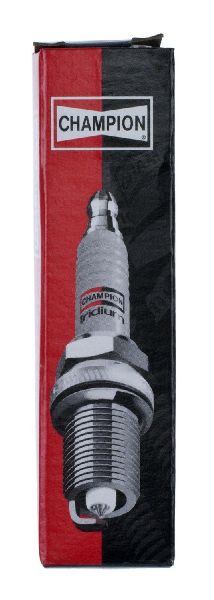
- Tier 3 (Budget-Friendly): Brands like Autolite and Champion offer more economical options. While some users have success with them, particularly their copper plugs for older applications, forum discussions suggest they can be less consistent in modern, import engines 🎬 Watch why some mechanics advise against using Autolite plugs in Hondas. compared to NGK or Denso. For a sensitive ignition system like Honda's, it's generally best to stick with the recommended brands.
A Note on Iridium Plugs
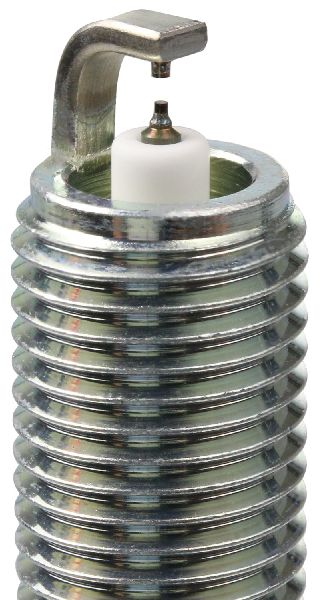
Your CR-V was designed for long-life iridium spark plugs. These plugs have a very hard, fine-wire center electrode that provides a consistent spark and resists wear for up to 100,000 miles. While cheaper copper or platinum plugs might fit, they will not last as long and may not perform as well, potentially leading to issues sooner. It is strongly recommended to use iridium plugs to match the original design.
Cost of Spark Plug Replacement (2011-2016 Honda CR-V)
| Item | Estimated Cost |
|---|---|
| New Aftermarket Spark Plugs (Set of 4) | $32 - $135 |
| Shop Labor | $100 - $180 |
| Total Estimated Cost (Parts + Labor) | $132 - $315 |
Cost estimates are based on national averages and may vary by location and parts supplier. The provided aftermarket price range is based on available inventory.
Frequently Asked Questions
How often do I need to change the spark plugs on my 2011-2016 CR-V?
Honda generally recommends replacing the iridium spark plugs around every 100,000 miles under normal driving conditions. However, if you experience any symptoms of failure, they should be inspected and replaced sooner.
Are expensive spark plugs worth it for my CR-V?
For this vehicle, yes. Sticking with OEM-equivalent brands like NGK or Denso is highly recommended. Their iridium plugs are designed for the specific performance and longevity requirements of your engine. Using cheaper, non-iridium plugs can lead to reduced performance, worse fuel economy, and a much shorter replacement interval.
Can I replace the spark plugs myself?
Yes, this is a very DIY-friendly job on the 2.4L engine in the 2011-2016 CR-V. The spark plugs and ignition coils are easily accessible on top of the engine. Basic tools like a socket wrench with an extension, a 10mm socket, and a 5/8" spark plug socket are required. The job typically takes less than an hour for a home mechanic.
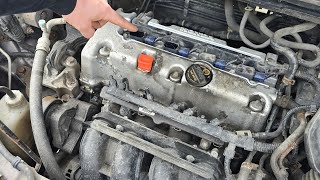
🎬 Follow this step-by-step guide to replace your own plugs and coils.Do I need to check the gap on new spark plugs?
Most high-quality iridium plugs from NGK and Denso come pre-gapped from the factory. While it's always a good practice to double-check the gap with a feeler gauge (the spec is 0.044 inches), you should be very careful not to damage the fine iridium tip. Never use a 'coin-style' gapper on iridium plugs.
Should I replace the ignition coils at the same time?
It is not required, but it is often recommended, especially on a higher-mileage vehicle. The ignition coils sit directly on top of the spark plugs and must be removed to access them. If one coil fails, it can cause the same misfire symptoms as a bad plug. Replacing them together can be good preventative maintenance.
Helpful Videos

Technical Specifications
OEM Part Numbers: 12290-R70-A01 12290-5A2-A02 ILZKR7B-11S DILKAR7H11GS SXU22HCR11S
Spark Plug Type: Iridium Spark Plug Gap: 0.044 in (1.1 mm) Quantity Required: 4 Torque Spec: 13 ft-lbs (18 Nm)
We Have This Part in Stock

The information in this article is provided for general reference and educational purposes only. Vehicle specifications, procedures, and part compatibility can vary by production date, trim level, and region. Always consult your vehicle's factory service manual and verify part numbers before purchasing or performing repairs. Safety-critical components such as airbags, seat belts, and braking systems should be installed by a qualified professional.
- Honda CR-V: