

Engine Valve Lifter Guide for the 2011-2016 Dodge Durango
Addressing the common engine tick in your 3.6L Pentastar or 5.7L Hemi Durango.
- Lifter failure is a widespread issue for both 3.6L and 5.7L engines in this Durango generation, primarily causing a ticking noise.
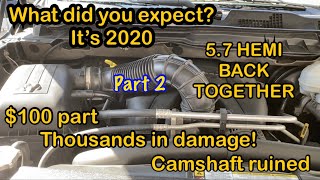
- Ignoring the tick will lead to camshaft damage and a much more expensive repair.
- When replacing a failed lifter, you must also replace the camshaft and all other lifters on that bank to ensure a lasting repair.
- Preventative maintenance with frequent (5,000-mile) high-quality synthetic oil changes is the best defense.
Understanding Lifter Failure in Your Durango

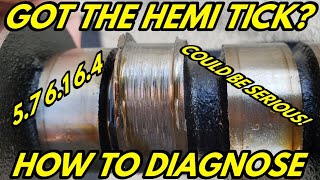
If you own a 2011-2016 Dodge Durango with either the 3.6L Pentastar V6 or the 5.7L Hemi V8, you may have heard of the infamous "Hemi tick" or Pentastar engine chatter. This is a common problem often caused by failing engine valve lifters. The failure typically begins with the breakdown of needle bearings inside the lifter's roller (for the Hemi) or the associated rocker arm (for the Pentastar). This allows for excess movement, which creates the ticking sound. If not addressed, the failed component will grind against and destroy the camshaft lobe, leading to a much more expensive repair.
Why Does This Happen?
Mechanics widely agree that oil lubrication is a key factor. Extended oil change intervals, using the wrong type of oil, or frequent short trips and long idle times can cause the engine oil to break down. This degraded oil may not provide enough protection for the high-stress contact points between the lifter and the camshaft, leading to premature wear and failure.
OEM vs. Aftermarket Lifters for Your Durango

When it's time for a replacement, you have several options. The choice between OEM and aftermarket can be confusing.
- Mopar (OEM): This is the original equipment manufacturer. Choosing Mopar ensures a direct fit and original performance. For some issues, like the Pentastar rocker arms, Mopar has released updated parts to address the original flaw. It is often the most expensive option.
- INA: INA is a well-respected OEM supplier for many European brands and is known for high-quality bearings and valvetrain components. They are often considered a top-tier aftermarket choice.
- Melling: Melling is a reputable aftermarket brand, particularly well-known for oil pumps and valvetrain components. They sometimes offer products with design improvements over the original OEM parts and are a trusted choice for many engine builders.
- Sealed Power / Crown Automotive: These brands offer a cost-effective alternative to OEM parts. They are designed to meet or exceed OEM specifications and can be a good value option for budget-conscious repairs. However, some user reviews for Sealed Power have been mixed, with occasional reports of noisy new lifters.
Pro Tip: Replace the Camshaft and More
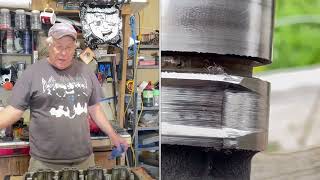
If you have a confirmed lifter failure, do not just replace the lifters. It is almost certain that the corresponding camshaft lobe has been damaged, even if it's not visible to the naked eye. To avoid having to do the job twice, you should replace the camshaft, all lifters, and (on the 3.6L) all rocker arms at the same time. On the 5.7L Hemi, it is common to replace the MDS (Multi-Displacement System) lifters as a set.
Estimated Cost of Replacement
Replacing valve lifters is a labor-intensive job. The cost can vary significantly based on your engine and whether you also need to replace the camshaft(s).
| Part / Service | Estimated Cost |
|---|---|
| Aftermarket Lifter Set | $100 - $400 |
| OEM (Mopar) Lifter Set | $250 - $600 |
| Aftermarket Camshaft | $200 - $500 |
| Shop Labor | $1000 - $2000+ |
| Total Professional Repair (with camshaft) | $2,500 - $5,000+ |
Frequently Asked Questions (FAQ)

Is there a recall for the Dodge Durango lifter problem?
As of early 2026, there is no widespread official recall from Stellantis (formerly FCA) for this specific issue on the 2011-2016 Durango. However, the problem is well-documented, and there have been Technical Service Bulletins (TSBs) and class-action lawsuits related to engine ticking and valvetrain failures on these engines.
Can I just replace the one bad lifter?
This is not recommended. If one lifter has failed due to wear or oiling issues, the others are likely in a similar condition and may fail soon after. Furthermore, the failed lifter has almost certainly damaged the camshaft, which will cause the new lifter to fail quickly. It is best practice to replace all lifters and the affected camshaft(s) at the same time.
How can I prevent lifter failure in my Durango?
The best prevention is diligent maintenance. Use a high-quality synthetic oil that meets the manufacturer's specifications. Most importantly, shorten your oil change interval to 5,000 miles, especially if you do a lot of city driving or idling. Do not follow the vehicle's oil life monitor if it suggests intervals longer than this.
Is the ticking noise always a bad lifter?
Not always, but it's the most likely cause. Another common source of a ticking noise on the 5.7L Hemi is a broken exhaust manifold bolt, which creates an exhaust leak. An exhaust leak tick is often loudest on a cold start and may quiet down as the engine warms up, while a lifter tick is often constant or gets worse as the engine warms up.
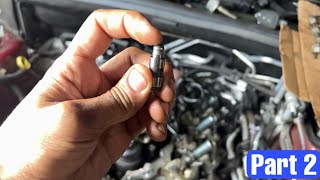
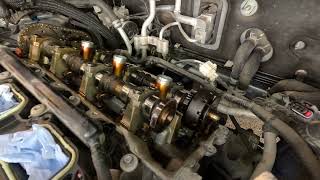
Helpful Videos
Technical Specifications
OEM Part Numbers: 5184332AA 5038785AD 5038786AD
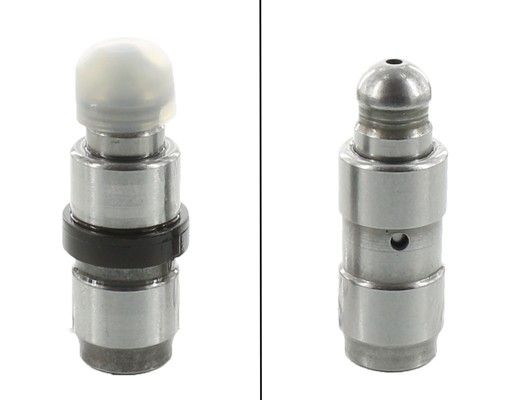
For 2011-2016 Dodge Durango, lifters vary between the 3.6L V6 Pentastar (hydraulic lash adjusters) and the 5.7L V8 Hemi (hydraulic roller lifters, including MDS and non-MDS types). It is critical to order the correct parts for your specific engine.
We Have This Part in Stock


The information in this article is provided for general reference and educational purposes only. Vehicle specifications, procedures, and part compatibility can vary by production date, trim level, and region. Always consult your vehicle's factory service manual and verify part numbers before purchasing or performing repairs. Safety-critical components such as airbags, seat belts, and braking systems should be installed by a qualified professional.
- Dodge Durango: