

Subaru Outback Oxygen and Air/Fuel Sensor Guide (2011-2015)
Understanding the check engine light and choosing the right oxygen sensor for your 2011-2015 Subaru Outback.
- For the 2011-2015 Outback, Denso is the OEM supplier and the most recommended aftermarket brand for reliable performance.
- Your Outback has two different sensors: an upstream Air/Fuel Ratio Sensor and a downstream Oxygen Sensor. They are not interchangeable.
- A P0420 code often points to a bad rear oxygen sensor, not necessarily a failed catalytic converter. Diagnose the sensors first.
- Replacing these sensors is a manageable DIY task with a special oxygen sensor socket, potentially saving you hundreds in labor costs.
Is a Bad Oxygen Sensor Causing Your Check Engine Light?

A common reason the check engine light comes on in a 2011-2015 Subaru Outback is a failing oxygen sensor. When a sensor goes bad, it can't send the right signals to your car's computer. This can lead to poor gas mileage, a rough idle, and even damage to other expensive parts like the catalytic converter over time. Ignoring a bad sensor can cost you more in fuel and future repairs.
Symptoms of a Failing Oxygen Sensor

- Check Engine Light: This is the most common sign. Codes like P0031, P0037, P0171, or the infamous P0420 might be stored in the computer.
- Worse Gas Mileage: If the engine computer gets bad information, it may use more fuel than necessary, causing you to fill up more often.
- Rough Idle or Stalling: An incorrect air-fuel mixture can make your engine run unevenly, especially when stopped.
- Sluggish Performance: You might notice your Outback feels slow or hesitant when you accelerate.
- Failed Emissions Test: Bad sensors lead to higher emissions, which will cause your vehicle to fail a smog check.
The P0420 Code: Sensor or Catalytic Converter?
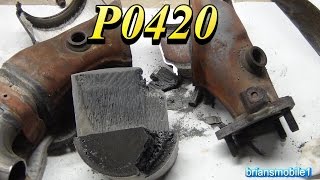
The P0420 code means "Catalyst System Efficiency Below Threshold." Many people immediately assume they need a new, expensive catalytic converter. However, this code is often caused by a failing rear oxygen sensor that is providing inaccurate readings. It's wise to diagnose and, if necessary, replace the oxygen sensors before replacing the catalytic converter.
🎬 Watch this deep dive into troubleshooting the P0420 code.Choosing the Right Aftermarket Oxygen Sensor

Not all aftermarket brands are created equal, and Subarus can be particular about their sensors. For the 2011-2015 Outback, choosing the right brand is critical to avoid further issues.
Brand Quality Tiers
- Tier 1 (OEM Equivalent): Denso. Denso is the original equipment manufacturer (OEM) for Subaru's oxygen sensors. Choosing a Denso sensor is the closest you can get to buying the part from a Subaru dealer without the high price tag. They are widely recommended by Subaru mechanics and owners for their reliability and compatibility.
- Tier 2 (Good Quality): NGK/NTK. NGK (under their sensor brand NTK) is another highly respected Japanese manufacturer that produces quality sensors. If a Denso part is not available, NTK is a reliable second choice that generally works well with Subarus.
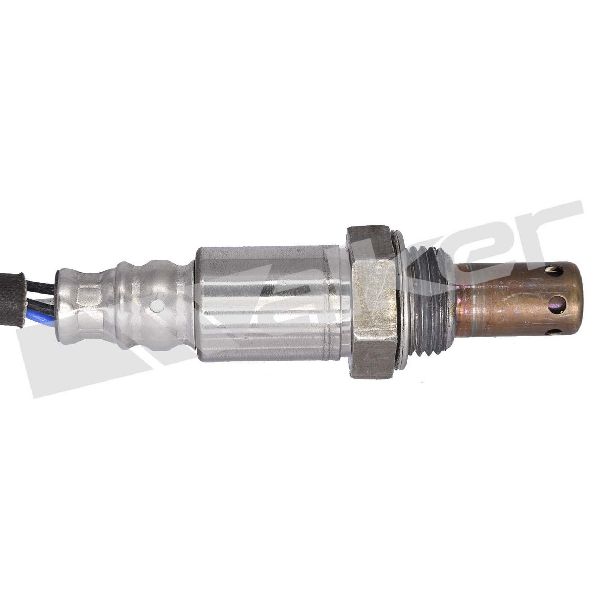
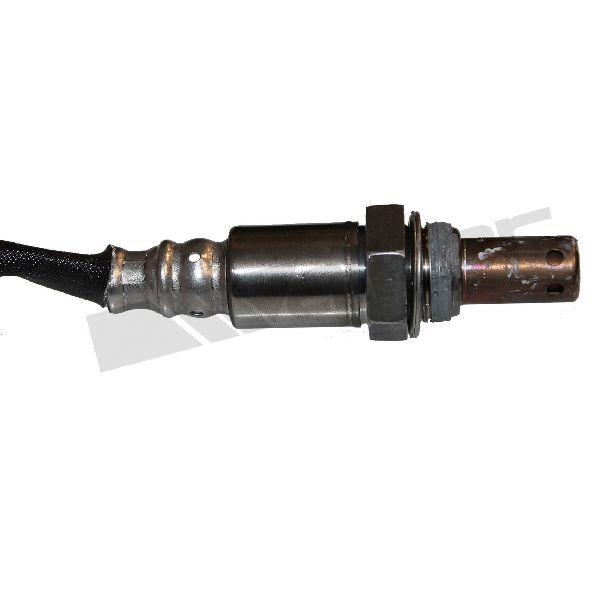
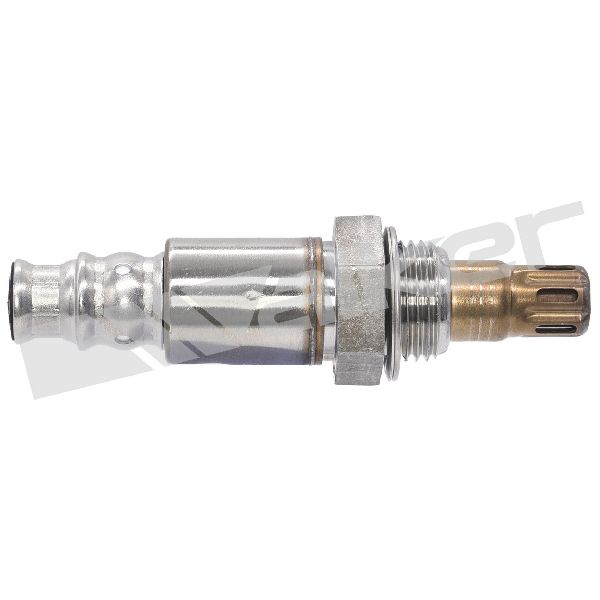
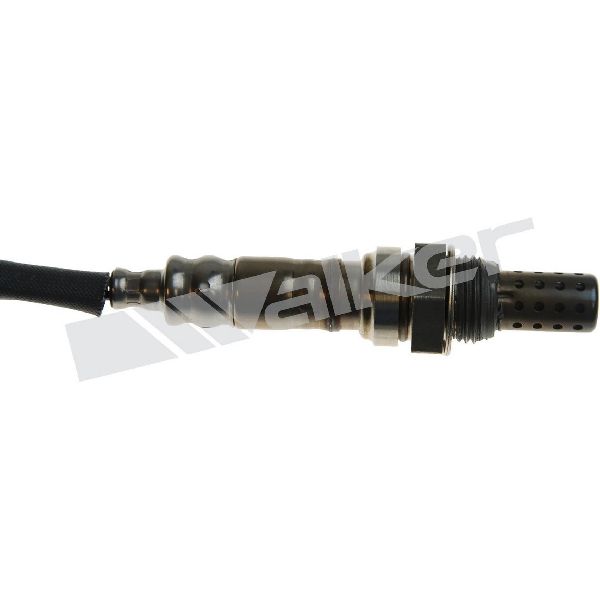
- Tier 3 (Use with Caution): Bosch, Walker, and others. While Bosch is a major brand, many Subaru owners and mechanics report compatibility issues, leading to persistent check engine lights even after replacement. It is generally recommended to avoid Bosch sensors for this specific vehicle. Other brands like Walker, DriveWire, and Spectra are more budget-friendly but may not offer the same longevity or precise performance as Denso or NTK.
Pro Tip: Always Use a Direct-Fit Sensor
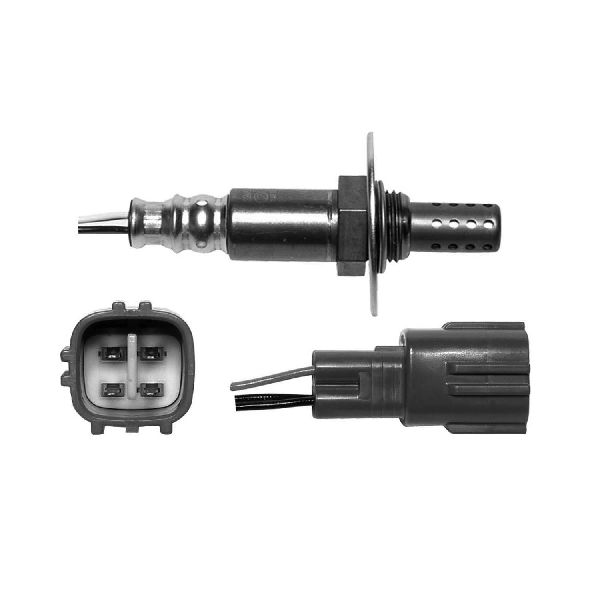
Choose a "direct-fit" or "exact-fit" sensor. These come with the correct plug for your Outback and require no cutting or splicing of wires. Universal sensors are cheaper but require wiring work that can lead to connection problems. The small savings are not worth the potential headache.
Cost of Replacing an Oxygen Sensor (2011-2015 Outback)
| Item | Estimated Cost |
|---|---|
| New Aftermarket Sensor (Denso/NGK) | $60 - $180 |
| New OEM Subaru Sensor | $150 - $250+ |
| Shop Labor | $100 - $250 |
| Total DIY Cost (1 Sensor) | $60 - $180 |
| Total Shop Cost (1 Sensor) | $160 - $430 |
Frequently Asked Questions

Do I need to replace the upstream and downstream sensors at the same time?
It's not always necessary, but it is often recommended, especially on a higher-mileage vehicle. Sensors age and degrade over time. If one has failed, the other may not be far behind. Replacing them in pairs can ensure the system is balanced and can save you on future labor costs.
🎬 See how to replace both sensors in one DIY session.Is this a difficult DIY job?
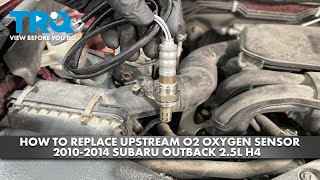
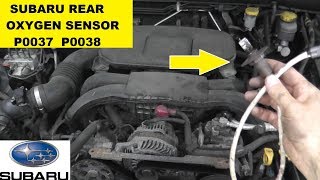
For the 2.5L engine, replacing the oxygen sensors is a feasible DIY job for someone with basic tools. The rear sensor is often accessible from the top of the engine bay on the passenger side. The front sensor is also reachable after removing the air intake snorkel. You will need a special slotted socket called an "oxygen sensor socket" to remove and install the sensor without damaging the wires. Always apply anti-seize compound to the threads of the new sensor if it's not pre-applied.
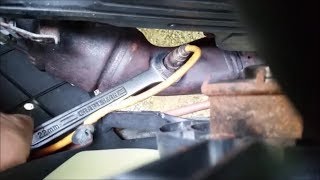
🎬 Watch a pro tip for removing stubborn, stuck sensors.What's the difference between an Air/Fuel Ratio Sensor and an Oxygen Sensor?
They are both types of oxygen sensors, but they have different jobs and are not interchangeable. The "Air/Fuel Ratio Sensor" is the upstream sensor (before the catalytic converter) that helps control the engine's fuel mixture. The "Oxygen Sensor" is the downstream sensor (after the catalytic converter) that monitors the converter's efficiency. Your Outback has one of each for each exhaust bank (four total on the 3.6R, two total on the 2.5i).
Are there any recalls for this part?
There are no active government-mandated recalls for oxygen sensors on the 2011-2015 Subaru Outback. However, Subaru did issue a service program (WXW-80) for some models where the front air/fuel ratio sensor element could crack and cause a check engine light. If you experience a failure of the front sensor, it's worth checking if your vehicle was covered under this program, though it has likely expired.
Helpful Videos
Technical Specifications
OEM Part Numbers: 22641AA00A
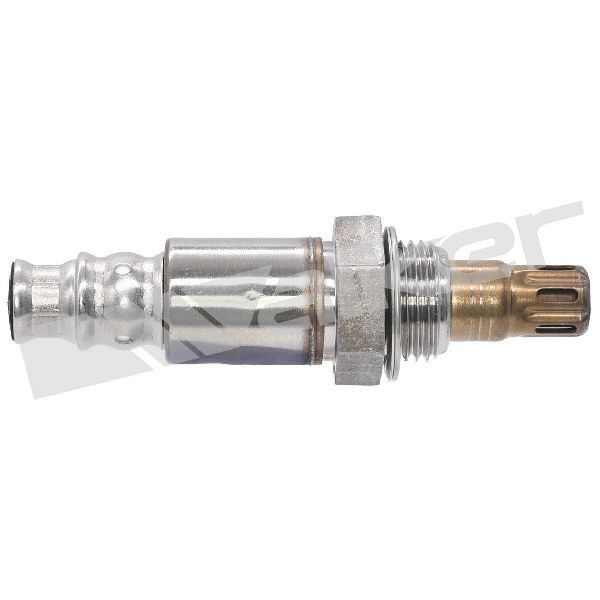
Your vehicle uses a heated, 4-wire, direct-fit sensor. The 2.5L engine has one upstream (A/F) and one downstream (O2) sensor. The 3.6R engine has two of each (four total).
We Have This Part in Stock

The information in this article is provided for general reference and educational purposes only. Vehicle specifications, procedures, and part compatibility can vary by production date, trim level, and region. Always consult your vehicle's factory service manual and verify part numbers before purchasing or performing repairs. Safety-critical components such as airbags, seat belts, and braking systems should be installed by a qualified professional.
- Subaru Outback: