

A Practical Guide to the 2011-2015 Kia Sorento Engine Crankshaft Position Sensor
Solve stalling and no-start problems by understanding this critical engine sensor.
- A failing crankshaft sensor is a common cause of no-start or stalling issues in the 2011-2015 Sorento, often triggering a P0335 code.
- For the most reliable repair, choose the Mando brand, as it is the Original Equipment (OE) supplier for Kia.
- The replacement is DIY-friendly if you can safely work under your vehicle, requiring basic tools and about an hour of your time.
- Do not confuse a crankshaft *sensor* failure with the recall for faulty *crankshafts* on some 2017 models; a diagnostic scan is key.
Symptoms of a Failing Crankshaft Sensor

When the crankshaft position sensor in a 2011-2015 Sorento starts to fail, the signs are usually hard to ignore. The engine may turn over but refuse to start, or it might stall unexpectedly while you're driving. You might also notice the engine running rough, misfiring, or hesitating when you accelerate. A decrease in gas mileage and the Check Engine Light coming on are also common symptoms. The most frequent trouble code associated with this failure is P0335.
Important Note on Recalls
There was a safety recall (NHTSA #17V586) for some 2017 Sorentos related to the crankshaft itself, not the sensor. However, the symptoms, like engine stalling, are very similar. There is also a recall for some 2011 Sorentos with 2.4L engines for a fire risk, where a software update is installed. Always have a professional diagnose the issue properly before replacing parts. A P0335 code points directly to the sensor circuit.
🎬 Watch a professional diagnostic and replacement of the P0335 code.Choosing the Right Aftermarket Sensor

For a critical part like this, quality matters. A cheap, poorly made sensor can fail quickly or not work at all, leaving you with the same problem. Here’s a breakdown of available aftermarket brands to help you choose.
Tier 1: OEM / OE-Equivalent
These brands are either the original equipment manufacturer or are known to produce parts to the same high standards.
- Mando: Mando is the Original Equipment (OE) supplier for Hyundai and Kia. Choosing a Mando sensor is the closest you can get to buying the part from a Kia dealer, often at a better price. It is the recommended choice for a direct, reliable replacement.
- NGK / NTK: While famous for spark plugs, NTK is also a major OE sensor manufacturer with a reputation for high quality.
Tier 2: Quality Aftermarket
These are reputable brands with a long history in the aftermarket. They offer a good balance of quality and price.
- Delphi: A well-known OE supplier for many car brands, Delphi sensors are tested to OE standards and are generally a reliable choice.
- Standard Motor Products (SMP): A trusted aftermarket brand that often meets or exceeds OE specifications. They perform extensive testing on their sensors to ensure durability.
- Beck Arnley: This brand specializes in parts for foreign vehicles and has a reputation for sourcing high-quality components, sometimes even repackaging the original OE part.
Tier 3: Economy Options
These brands offer a lower price point, but quality can be inconsistent. They may be a suitable choice for a budget repair, but be aware of the potential for shorter lifespan or out-of-the-box issues.
- Dorman: A popular brand with a huge catalog, but sensor quality can sometimes be hit-or-miss.
- Walker Products, Holstein, True Tech, Prenco: These brands fall into the value category. While they can solve the problem, sticking to Tier 1 or 2 for such a critical sensor is often a safer bet.
Pro Tip: Given that Mando is the original supplier to Kia, purchasing a Mando-branded sensor is the most reliable way to ensure compatibility and longevity without paying dealership prices.
Cost of Replacement
| Part Type | Estimated Cost |
|---|---|
| New Aftermarket Part | $27.20 - $90.68 |
| Shop Labor | $60 - $120 |
| Total Professional Job | $87 - $211 |
Frequently Asked Questions

Where is the crankshaft sensor located on the 2011-2015 Sorento?
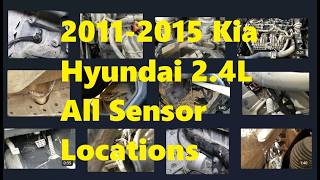
For the 2.4L 4-cylinder engine, the sensor is on the back of the engine block, accessible from underneath the vehicle. It's located just above the axle and is often behind a small metal heat shield held by two 10mm bolts. 🎬 Watch this step-by-step replacement guide for the 2.4L engine. For V6 models, it is typically located on the upper part of the transmission bellhousing where it meets the engine.
🎬 See how to locate and swap the sensor on V6 models.Can I replace this sensor myself?
Yes, this is a DIY-friendly repair for those with some mechanical experience. It requires safely lifting and supporting the vehicle. The main tool needed is a 10mm socket, possibly with an extension and swivel. The area can be tight, but the job typically takes less than an hour.
What happens if I don't replace a bad crankshaft sensor?
Ignoring a failing sensor is not recommended. The stalling and no-start issues will likely get worse, leaving you stranded. Continued driving with erratic timing signals can also lead to poor engine performance, bad fuel economy, and potentially damage other components like the catalytic converter over time.
Is a P0335 code always a bad sensor?
Most of the time, yes. However, the code P0335 means "Crankshaft Position Sensor 'A' Circuit Malfunction." This means the problem could also be in the wiring or the connector leading to the sensor. Always inspect the wiring for damage or corrosion before replacing the sensor.
Helpful Videos
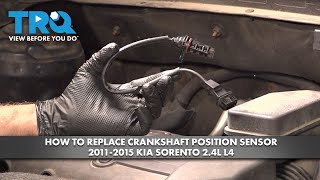
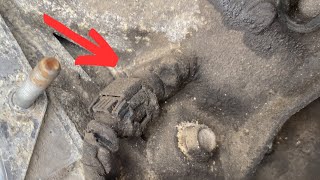
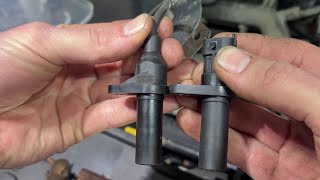
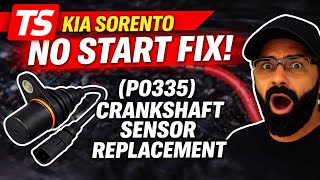
Technical Specifications
OEM Part Numbers: 39180-25300 39180-2G000 39180-3C100
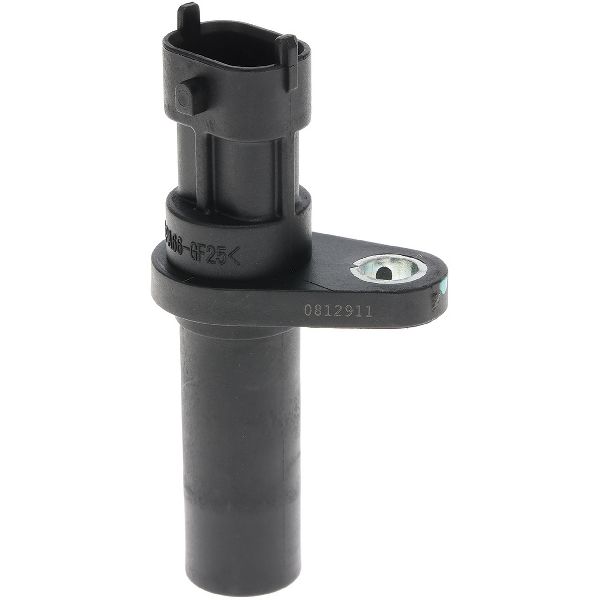
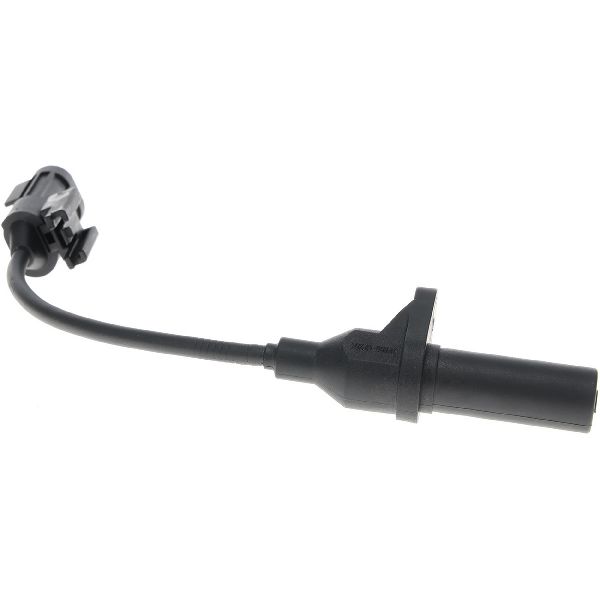
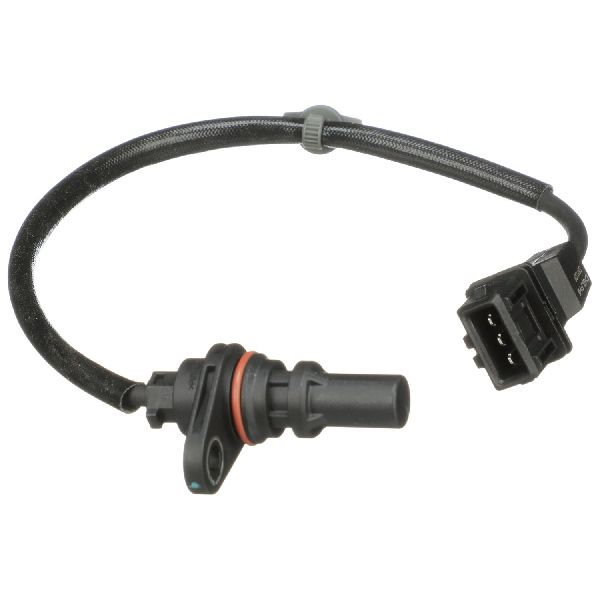
The sensor is typically a Hall Effect or variable reluctance type that reads teeth on the crankshaft or flywheel to generate a signal for the ECU. It is held in place by a single 10mm bolt.
We Have This Part in Stock


The information in this article is provided for general reference and educational purposes only. Vehicle specifications, procedures, and part compatibility can vary by production date, trim level, and region. Always consult your vehicle's factory service manual and verify part numbers before purchasing or performing repairs. Safety-critical components such as airbags, seat belts, and braking systems should be installed by a qualified professional.
- Kia Sorento: