

Ford Expedition Engine Temperature Sensor Guide (2011-2015)
Understanding the unique temperature sensor in your 2011-2015 Expedition and how to choose the right replacement part.
- This vehicle uses a Cylinder Head Temperature (CHT) sensor, not a traditional coolant sensor.
- Replacement is a high-labor job requiring intake manifold removal; do not choose the cheapest part.
- Symptoms include poor fuel economy, erratic temperature gauge behavior, and Check Engine Light with codes like P0117 or P0128.
- A premium aftermarket brand like Standard Ignition or Holstein is a wise investment to avoid repeat repairs.
A Note for Ford Owners: CHT vs. ECT Sensor

When shopping for a temperature sensor for your 2011-2015 Expedition, you will see parts listed as "Engine Coolant Temperature (ECT) Sensors." However, Ford uses a Cylinder Head Temperature (CHT) sensor on the 5.4L and 3.5L engines in this generation. This sensor estimates coolant temperature by reading the metal temperature of the engine's head. While they serve the same purpose, it's a key difference, especially regarding location and replacement. This guide will help you understand the common issues and choose the best new aftermarket part for your truck.
Symptoms of a Failing Temperature Sensor

A bad CHT sensor sends wrong information to the engine computer, leading to noticeable problems. You might experience one or more of the following:
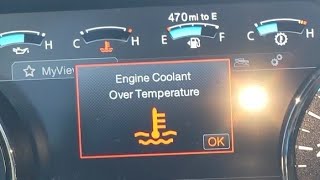
- Check Engine Light: This is the most common sign. You may see codes like P0117, P0118, P0128, or the Ford-specific P1289. 🎬 Watch: How a faulty sensor causes sudden overheating and P1289 codes.
- Poor Fuel Economy: The computer may think the engine is always cold, causing it to inject too much fuel and hurting your gas mileage.
- Black Smoke from Exhaust: A very rich fuel mixture from a bad sensor reading can result in black smoke from the tailpipe.
- Engine Overheating: If the sensor fails to report that the engine is hot, the electric cooling fans may not turn on when needed.
- Erratic Temperature Gauge: The gauge on your dashboard might swing from cold to hot unexpectedly or not move at all.
- Rough Engine Performance: You might notice a rough idle, hesitation, or a general lack of power.
A Difficult Replacement Job
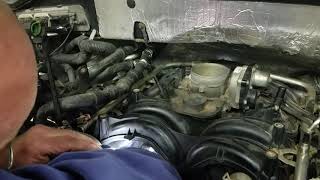
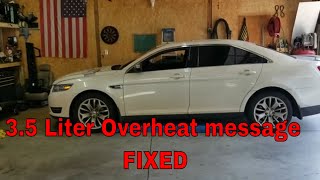
On both the 2011-2014 5.4L V8 🎬 Watch: Step-by-step CHT sensor replacement on the 5.4L Triton engine. and the 2015 3.5L EcoBoost V6 🎬 See this video for the 3.5L EcoBoost sensor location., the CHT sensor is located in a very hard-to-reach spot under the intake manifold. Replacing it is not a simple task and requires removing the manifold, which is a labor-intensive job. This makes the labor cost much higher than the cost of the part itself.
Choosing the Right Aftermarket Sensor

Because replacing this sensor is a big job, choosing a high-quality, reliable part is critical. You do not want to pay for this repair twice. While an OEM Motorcraft part is always a safe bet, several aftermarket brands offer a good balance of quality and price.
We can group the available brands into tiers based on general industry reputation for sensors:
- Premium Aftermarket (Recommended): Brands like Standard Ignition (SMP) and Holstein are often considered OE-equivalent or better. They focus on quality materials and testing, which is what you want for a hard-to-install part. Holstein, for example, promotes its low failure rates and 3-year/36k mile warranty.
- Standard Aftermarket: Brands like Motorad and Four Seasons are well-known in the industry, especially for cooling and climate control parts. They can be a reliable choice, but for a critical sensor with high replacement labor, a premium brand is a safer investment.
- Economy Aftermarket: Brands like Global Parts and True Tech are typically focused on providing the lowest price point. While tempting, the risk of premature failure is higher. Given the high labor cost for this specific job on the Expedition, saving a few dollars on the part itself is not recommended.
Pro Tip: Ask your mechanic about their experience with these brands. An experienced technician will know which aftermarket sensors they trust and which ones they've had to replace under warranty.
Cost to Replace Ford Expedition Temperature Sensor (2011-2015)

The cost is dominated by labor. While the sensor itself is affordable, accessing it requires hours of work. The job is much more involved than on vehicles with easily accessible sensors.
| Item | Estimated Cost |
|---|---|
| New Aftermarket CHT Sensor | $12 - $82 |
| OEM Motorcraft CHT Sensor | $55 - $95 |
| Shop Labor | $450 - $750 |
| Total Estimated Cost | $462 - $832 |
(Cost estimates are for general guidance only and will vary by location and shop.)
Frequently Asked Questions
Is it an ECT sensor or a CHT sensor?
For the 2011-2015 Expedition, it is a Cylinder Head Temperature (CHT) sensor. It measures the temperature of the engine's metal head to infer the coolant temperature. Many parts stores will still call it an ECT sensor, which can be confusing.
Can I replace this sensor myself?
This is not recommended for beginners. The sensor is located under the intake manifold on both the 5.4L and 3.5L engines. The job requires significant disassembly of the top part of the engine, careful handling of fuel lines, and proper re-assembly with new gaskets. It is best left to an experienced DIYer or a professional mechanic.
Is the sensor in the same place on the 5.4L and 3.5L EcoBoost?
No, but both are in difficult locations. On the 2011-2014 5.4L V8, it's on the rear of the passenger-side cylinder head. On the 2015 3.5L EcoBoost V6, it's also on the head but in a different position, still under the intake manifold. Both require removing the manifold for access.
Are there any recalls for this sensor?
No. Searches of the National Highway Traffic Safety Administration (NHTSA) database did not find any recalls or specific technical service bulletins (TSBs) for the CHT sensor on the 2011-2015 Ford Expedition.
Helpful Videos

Technical Specifications
OEM Part Numbers: 12A648 DY1145
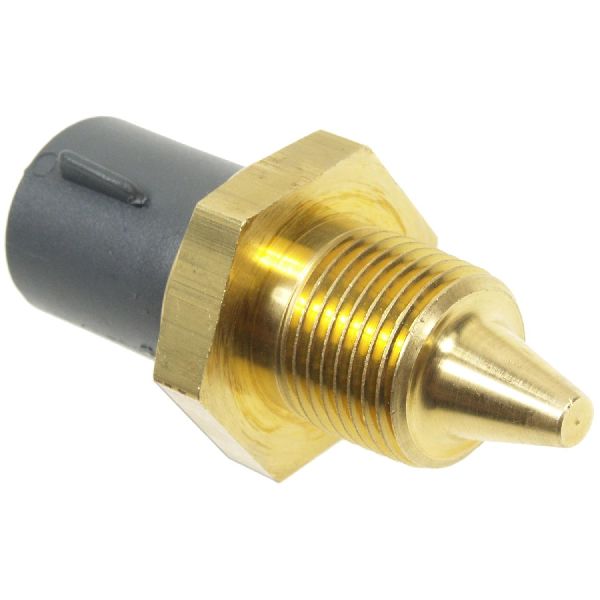
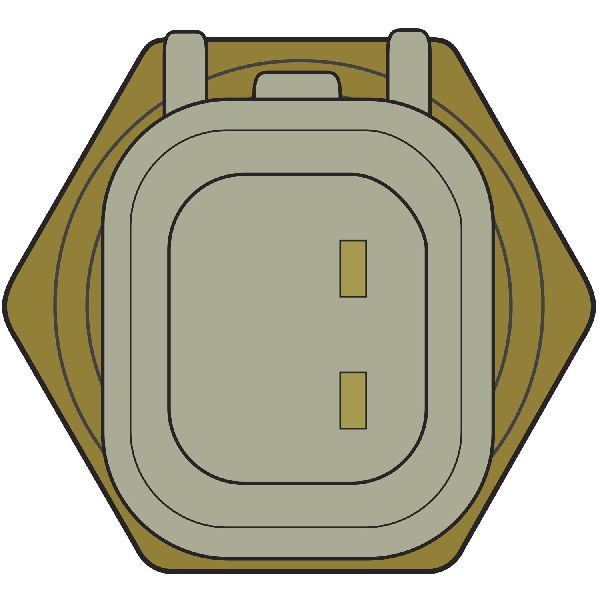
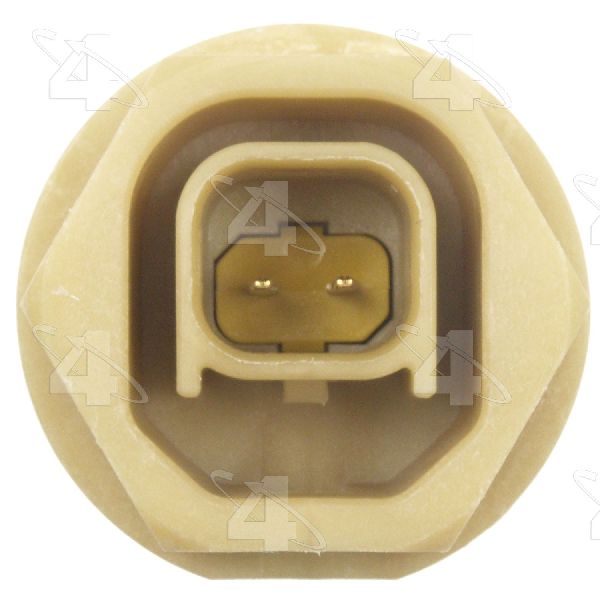
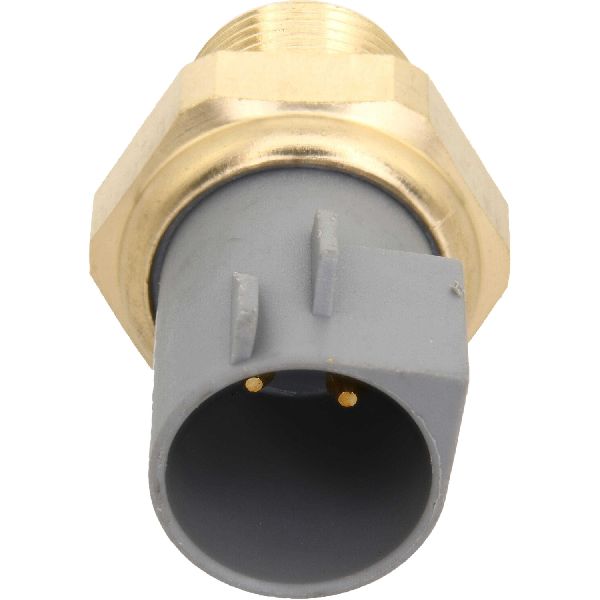
This is a 2-pin Cylinder Head Temperature (CHT) sensor that functions as the primary engine temperature input for the ECU.
We Have This Part in Stock


The information in this article is provided for general reference and educational purposes only. Vehicle specifications, procedures, and part compatibility can vary by production date, trim level, and region. Always consult your vehicle's factory service manual and verify part numbers before purchasing or performing repairs. Safety-critical components such as airbags, seat belts, and braking systems should be installed by a qualified professional.
- Ford Expedition: