

Freightliner MCL 2011-2014 Disc Brake Rotor Replacement Guide
Keep your rig's stopping power reliable by choosing the right disc brake rotors for your 2011-2014 Freightliner MCL chassis.
- Always replace rotors in pairs (both fronts or both rears) and with new brake pads to ensure even braking and safety.
- For heavy-duty use, choose premium coated rotors from brands like Raybestos or Centric to resist rust and handle heat better.
- Vibrations when braking are a key sign of worn rotors and should be addressed promptly to avoid further damage.
- Due to the weight and specialized tools required, replacing rotors on a Freightliner MCL is not recommended for DIY and should be done by a professional mechanic.
Signs of Failing Disc Brake Rotors
Worn or failing brake rotors on your Freightliner MCL will give you clear warning signs. Ignoring these can lead to more expensive repairs or a dangerous loss of braking ability. Be aware of these common symptoms:
- Vibrations or Pulsing: You may feel a pulsing in the brake pedal or a vibration in the steering wheel when you apply the brakes. This is often a sign of a "warped" rotor, which is actually an unevenness in the rotor's thickness.
- Grinding or Scraping Noises: A loud grinding sound when braking usually means the brake pads are completely worn away and the metal backing plate is grinding against the rotor. This causes severe damage to the rotor and is a critical safety issue.
- Visible Damage: A visual inspection can reveal a lot. Look for deep grooves, scoring, or a noticeable "lip" on the outer edge of the rotor. Cracks or large areas of discoloration (bluing) are also signs that the rotor has been overheated and needs replacement.
- Pulling to One Side: If the truck pulls to the left or right when you brake, it could be caused by a problem with the brake on one side, such as a worn rotor or a stuck caliper.
Critical Safety Warning
Brake issues on a heavy vehicle like the Freightliner MCL are extremely serious. If you experience severe grinding, a soft or spongy brake pedal, or a noticeable loss in braking performance, do not drive the vehicle. Have it towed to a qualified mechanic for immediate inspection.
Choosing an Aftermarket Disc Brake Rotor
For a workhorse chassis like the Freightliner MCL, you don't want to compromise on brake quality. While OEM parts are a reliable choice, high-quality aftermarket brands can offer equal or better performance, often at a better price. The key is to choose the right tier of part for your needs.
Brand Tiers for Your Freightliner MCL
Not all aftermarket parts are created equal. Here’s a breakdown of the brands available and where they generally fall in terms of quality and performance for heavy-duty applications.
| Brand Tier | Brands | Characteristics & Best Use |
|---|---|---|
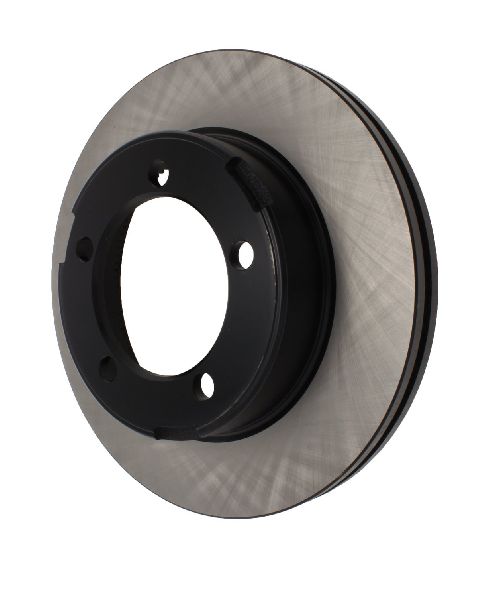
| Premium / Heavy-Duty | Raybestos, Centric (Premium lines) | These brands offer rotors specifically designed for the demands of heavy vehicles. Look for features like high-carbon content for better heat management and durability, and protective coatings (often called e-coating or geo-coating) that prevent rust on the hat and vanes. Raybestos is often considered a top choice for daily-use vehicles, known for quality materials that reduce vibration. Centric's premium coated rotors are also well-regarded for their rust resistance and smooth performance. These are the best choice for owners who prioritize longevity and performance similar to OEM. |
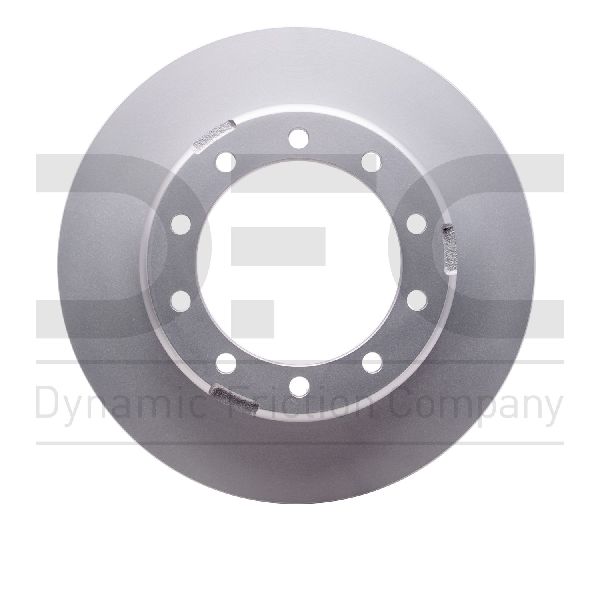
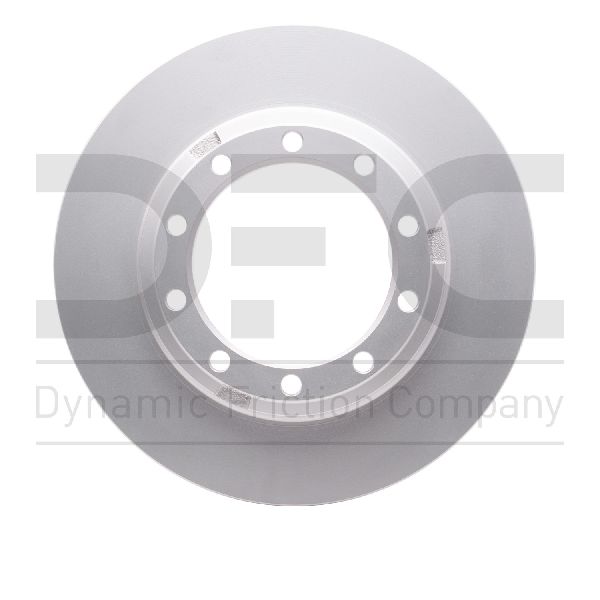
| Mid-Grade / Standard Replacement | Dynamic Friction, Pronto | Dynamic Friction offers coated rotors that provide a good balance of performance and value, with some users noting their rust-proof coating is quite effective. Pronto is a standard replacement brand that offers an economical solution for getting your vehicle back on the road safely. These are solid options for vehicles with average use, but for heavy hauling or constant stop-and-go, a premium rotor is recommended. |
Pro Tip: Always Replace in Pairs
Brake rotors should always be replaced in pairs (both front wheels or both rear wheels). Replacing only one can cause uneven braking, pulling to one side, and premature wear. For best results, install new brake pads at the same time you replace your rotors.
Frequently Asked Questions (FAQ)
Are there any recalls for 2011-2014 Freightliner MCL brakes?
Searches for the specific MCL chassis did not show recalls directly for disc brake rotors. However, Freightliner has issued recalls for related models and brake system components in and around this period. For example, recall 14V-717 concerned a park brake quick release valve on some 2013-2014 models. There were also recalls for other Freightliner chassis concerning brake light malfunctions (NHTSA #20V-404) and corroding brake modulator valves. It is always best to check the NHTSA website with your vehicle's specific VIN for any open recalls.
Should I choose coated or non-coated rotors?
For a heavy vehicle operating in North America, coated rotors are highly recommended. The coating, often an e-coat or zinc plating, is applied to the non-braking surfaces of the rotor, like the hat and cooling vanes. This prevents rust and corrosion, which not only keeps the rotors looking better but also helps maintain their structural integrity and balance over time, especially in regions that use road salt in the winter.
Can I resurface my old rotors instead of replacing them?
Resurfacing (or "turning") a rotor means machining off a thin layer of metal to create a smooth, flat surface again. While this was once common practice, it is less so today for several reasons. For heavy-duty applications, rotors need to have a certain thickness to properly absorb and dissipate heat. Resurfacing removes material, reducing this capacity. Given the relatively low cost of new aftermarket rotors and the critical safety function they perform, replacing them is almost always the safer and more cost-effective option in the long run.
What causes brake rotors to warp?
The term "warped" usually refers to thickness variation in the rotor, not the rotor actually bending. This is caused by a few things. Extreme heat from heavy braking can cause brake pad material to deposit unevenly onto the rotor surface. Improperly torquing the wheel's lug nuts is another major cause, as it can cause the rotor to sit slightly askew on the hub, leading to uneven wear. Using high-quality rotors made from better materials can help resist these issues.
Technical Specifications
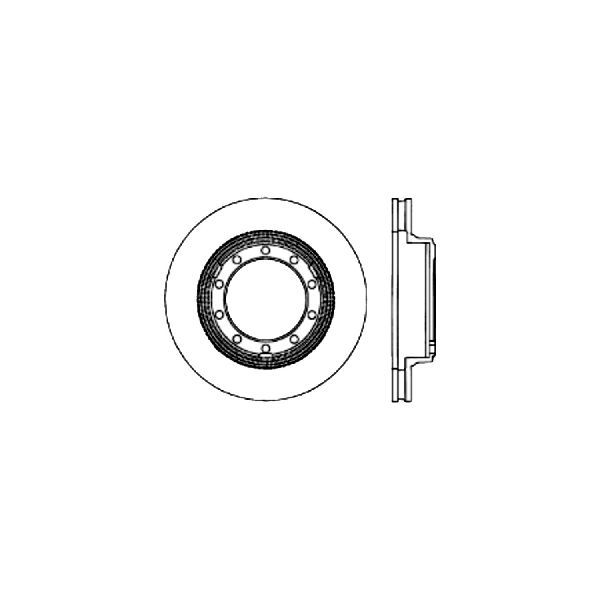
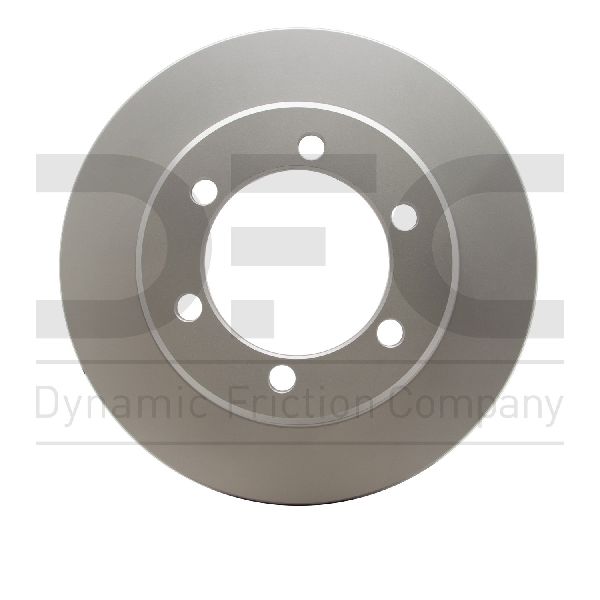
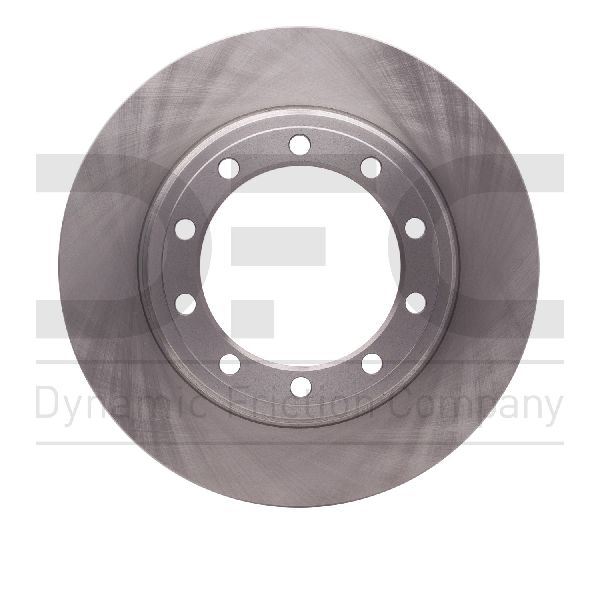
The 2011-2014 Freightliner MCL chassis uses a hydraulic pin slide disc brake system with ABS. Front rotors have a diameter of approximately 15 inches (381mm) and feature 6 bolt holes. Rear rotors have similar specifications. Rotors for this application are vented to aid in heat dissipation.
We Have This Part in Stock

The information in this article is provided for general reference and educational purposes only. Vehicle specifications, procedures, and part compatibility can vary by production date, trim level, and region. Always consult your vehicle's factory service manual and verify part numbers before purchasing or performing repairs. Safety-critical components such as airbags, seat belts, and braking systems should be installed by a qualified professional.
- Freightliner MCL: