

Ford Escape Engine Crankshaft Position Sensor Guide for 2010-2024 Models
Diagnose a failing crankshaft sensor in your Escape and learn how to choose the best aftermarket replacement.
- A failing crankshaft sensor can leave you stranded; address symptoms like stalling or no-start immediately.
- For best reliability, choose an OEM (Motorcraft) or a trusted OEM-supplier brand like Delphi, Denso, or NGK.
- Always verify your Escape's specific engine (1.5L, 2.0L, etc.) before ordering, as the part is engine-specific.
- A 'relearn' procedure is often necessary after replacement to ensure the engine computer recognizes the new sensor correctly.
Understanding Crankshaft Sensor Failure in Your Escape

The crankshaft position sensor in your 2010-2024 Ford Escape is critical for engine operation. When it starts to fail, it can cause a range of problems from annoying to leaving you stranded. The sensor is located in a harsh environment at the bottom of the engine, often near the main crankshaft pulley, where it's exposed to intense heat and potential oil leaks. These factors are the primary cause of sensor failure over time. Ignoring the symptoms can lead to poor performance, decreased fuel economy, and eventually, a no-start condition.
Symptoms of a Failing Ford Escape Crankshaft Sensor

A bad crankshaft sensor usually gives clear warning signs. If you experience any of these, it's time to inspect the sensor and its wiring.
- Check Engine Light: This is often the first sign. A scan tool may show codes like P0335 or P0336, which point directly to a fault in the crankshaft sensor circuit.
- Engine Won't Start: The engine may crank but refuse to start because the PCM isn't receiving a signal to time the spark and fuel.
- Stalling: The engine may stall unexpectedly while driving, especially when it's warm. This is a serious safety issue.
- Rough Idling and Misfires: Your Escape may idle poorly, shake, or vibrate due to incorrect timing signals causing engine misfires.
- Poor Acceleration: You might notice hesitation or a lack of power when you press the gas pedal.
Recalls and Technical Service Bulletins (TSBs)
While searches did not reveal widespread recalls specifically for the crankshaft position sensor itself across all 2010-2024 models, there have been engine-related recalls for certain years. For example, some 2020-2023 models with 2.5L HEV/PHEV engines were recalled for issues that could lead to engine failure. A separate recall for a small number of 2021 Escape Hybrids involved an incorrectly manufactured crankshaft. While these aren't sensor recalls, they highlight the importance of engine health. Always check for recalls using your vehicle's VIN on the NHTSA website.
Choosing the Right Aftermarket Crankshaft Sensor

When replacing the sensor, you have a choice between OEM (Motorcraft) and various aftermarket brands. For a critical sensor like this, quality matters. Cheap, poorly made sensors can fail quickly or be dead-on-arrival, causing the same problems you're trying to fix.
Brand Quality Tiers
- Tier 1 (OEM & OEM-Equivalent): Motorcraft is the Ford factory part and the benchmark for fit and performance. Brands like Delphi, Denso, and NGK/NTK are often original equipment suppliers to major automakers and are widely trusted for their quality and reliability. For peace of mind, these are your best choices.
- Tier 2 (Reputable Aftermarket): Brands such as Standard Ignition (SMP), Beck Arnley, and Hitachi have a long-standing reputation for producing quality aftermarket parts that offer a good balance of performance and price. Walker Products and Hella also fall into this category.
- Tier 3 (Economy Brands): Brands like Dorman, Global Parts, and True Tech are typically more budget-friendly. While Dorman sometimes offers innovative solutions, the quality of electronic sensors in this tier can be inconsistent. These may be a viable option for an older vehicle, but be aware that the risk of premature failure is higher.
Common Ordering Mistake
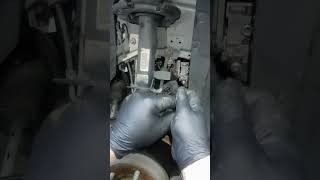
The Ford Escape has used several different engines from 2010-2024 (e.g., 1.5L, 1.6L, 2.0L, 2.5L). The crankshaft position sensor is often specific to the engine type. Always verify your Escape's engine size 🎬 Watch: Step-by-step sensor replacement for the 1.5L EcoBoost engine. before ordering to ensure you get the correct part.
Cost Comparison for Ford Escape Crankshaft Sensor
| Part Type | Estimated Cost |
|---|---|
| New OEM (Motorcraft) | $40 - $115 |
| New Aftermarket | $20 - $138 |
| Shop Labor | $140 - $250 |
Frequently Asked Questions

Where is the crankshaft position sensor located on a Ford Escape?
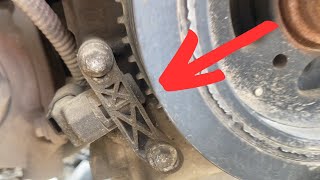
The sensor is typically located at the bottom of the engine, near the crankshaft pulley (the main pulley at the front of the engine). On many Escape models, it's easiest to access by removing the front passenger-side wheel and splash shield.
🎬 See this walkthrough for locating and replacing the 2.0L sensor.Do I need to perform a "relearn" procedure after replacing the sensor?
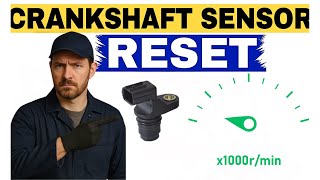
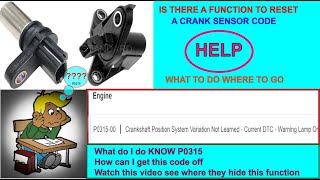
Yes, a crankshaft position sensor relearn is often recommended. This procedure helps the engine's computer (PCM) calibrate itself to the new sensor's signal. Sometimes this can be done by disconnecting the battery for 15-30 minutes, but a more reliable method involves using a capable OBD-II scan tool to initiate the relearn function. 🎬 Watch: Four quick methods to perform a crankshaft sensor relearn. Failure to perform a relearn can sometimes result in a continued check engine light or rough running.
Can I replace the crankshaft sensor myself?
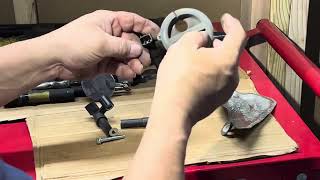
For a DIYer with some experience, this is a manageable job. It usually involves raising the vehicle, removing a wheel and splash shield, and accessing the sensor, which is held by one or two small bolts. However, access can be tight depending on the engine. If you are not comfortable working under your vehicle, it's best to leave this job to a professional.
What is the difference between a crankshaft and a camshaft sensor?
They perform similar functions but monitor different parts. The crankshaft sensor tracks the rotation of the crankshaft (piston movement), while the camshaft sensor tracks the position of the camshaft (valve timing). The PCM uses signals from both to get a complete picture of the engine's cycle. A failure in either can cause similar symptoms.
Helpful Videos
Technical Specifications
OEM Part Numbers: BM5Z-6C315-A 6M8Z-6C315-AA 1S7Z-6C315-AAA JX6Z-6C315-B GN1Z-6C315-A AS7Z-6C315-A
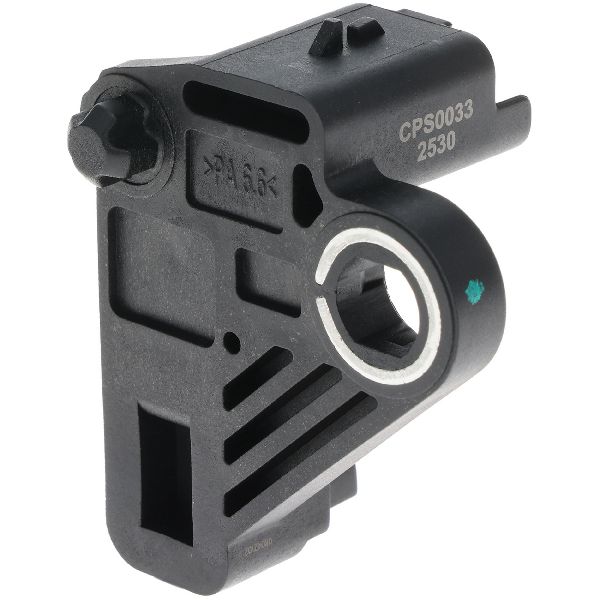
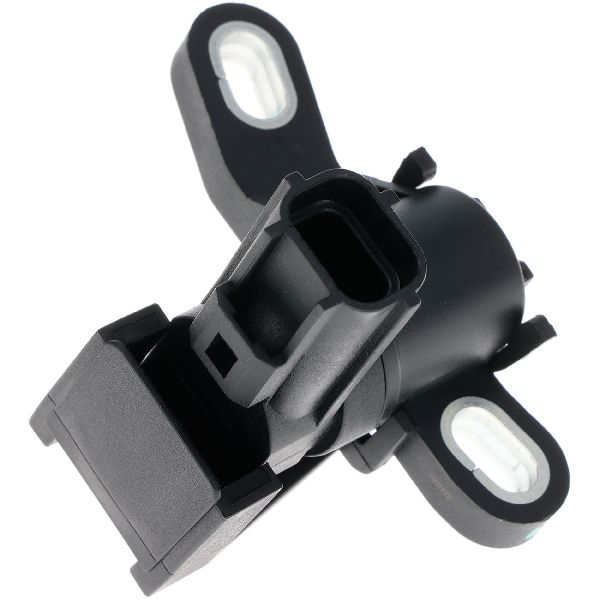
The sensor is typically a 3-pin magnetic hall-effect sensor that mounts to the engine block near the crankshaft pulley or flywheel.
We Have This Part in Stock


The information in this article is provided for general reference and educational purposes only. Vehicle specifications, procedures, and part compatibility can vary by production date, trim level, and region. Always consult your vehicle's factory service manual and verify part numbers before purchasing or performing repairs. Safety-critical components such as airbags, seat belts, and braking systems should be installed by a qualified professional.
- Ford Escape: