

Nissan Maxima Engine Coolant Temperature Sensor Guide (2010-2023)
A failing coolant temp sensor in your Maxima can cause a check engine light, poor fuel economy, and overheating issues.
- A bad ECT sensor commonly triggers codes P0117 or P0118 and causes poor fuel economy.
- The replacement is simple, requiring basic tools and about 30 minutes, making it a great DIY task.
- Your Maxima has two coolant sensors; make sure you are replacing the two-wire sensor for the engine computer, not the single-wire sender for the gauge.
- Consider using an OEM or high-quality aftermarket brand like Delphi or NGK, as Nissan ECUs can be sensitive to incorrect sensor readings.
Is your Maxima's Engine Coolant Temperature Sensor Failing?

A bad Engine Coolant Temperature (ECT) sensor can cause a range of confusing problems. Because the sensor's signal is so important, a wrong reading can make the engine behave as if it's always cold or always overheating, regardless of its actual temperature. Recognizing the signs early can save you from poor performance and wasted fuel.
Common Symptoms of a Bad ECT Sensor
- Check Engine Light: This is often the first sign. The most common trouble codes for a faulty ECT sensor on a Nissan Maxima are P0117 (Sensor Circuit Low Voltage) and P0118 (Sensor Circuit High Voltage). 🎬 See how to test and replace a sensor with these codes.
- Poor Fuel Economy: If the sensor incorrectly tells the ECM the engine is cold, the computer will enrich the fuel mixture, causing the engine to use more gas than necessary.
- Black Smoke from Exhaust: A consistently rich fuel mixture can result in unburned fuel exiting through the exhaust, which appears as black smoke.
- Erratic Temperature Gauge: The temperature gauge on your dashboard might not move at all, or it could jump between cold and hot unexpectedly. Note that some Maxima models have a separate sensor just for the gauge, but a faulty main ECT sensor can still cause issues.
- Engine Overheating: A bad sensor might fail to signal the ECM to turn on the cooling fans when the engine gets hot, leading to overheating, especially in traffic.
- Hard Starting: When the engine is warm, a bad sensor might still be sending a "cold" signal, causing the wrong fuel mixture for a smooth start.
Cost of Replacing a Nissan Maxima ECT Sensor
| New OEM Part | $16 - $25 |
| New Aftermarket Part | $11 - $48 |
| Shop Labor | $50 - $100 |
| Total Estimated Cost (Shop) | $65 - $150 |
Choosing the Right Aftermarket Sensor

For a simple sensor, you don't always need to buy the OEM part from the dealer. However, some Nissan engine computers can be sensitive to out-of-spec signals from lower-quality sensors. Sticking with a reputable brand is a smart choice.
- OEM-Equivalent Brands (Beck Arnley, Delphi, NGK): These brands often have a strong reputation and are sometimes the original equipment manufacturer for Nissan. They are known for providing accurate resistance curves that the Maxima's computer expects. Delphi is a particularly common and trusted choice for this part.
- Quality Aftermarket (Standard Ignition, Holstein, Hella): Brands like Standard Motor Products (SMP) and Holstein offer reliable parts that meet or exceed OEM specifications and are a solid choice for this repair.
- Value Brands (Four Seasons, Global Parts, Facet): These brands provide a budget-friendly option. While often perfectly functional, they may not have the same long-term reliability or precise calibration as higher-tier brands.
Pro Tip: One Nissan owner noted that an aftermarket *oil* temperature sensor (a similar part) caused intermittent codes because it didn't read correctly at high temperatures. This suggests that for critical sensors on a Maxima, investing in an OEM or top-tier aftermarket brand like Delphi or NGK is a wise precaution.
Frequently Asked Questions

Where is the ECT sensor located on a 2010-2023 Nissan Maxima?
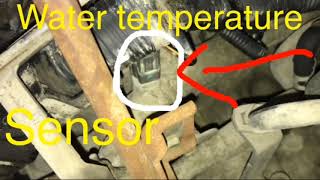
The ECT sensor for the ECM is located in a coolant passage on the engine, near where the upper radiator hose connects. You will need to remove the plastic engine cover to see it. It's situated between the cylinder heads.
🎬 Watch this video to see the exact sensor location.Can I replace the Maxima's ECT sensor myself?
Yes, this is a DIY-friendly job for most home mechanics. It typically takes 15-30 minutes. You will need basic tools, including a 19mm deep socket. You may need to move a wiring harness out of the way for better access. Be prepared for a small amount of coolant to spill when you remove the old sensor.
My Maxima has two coolant sensors. Which one is this?
Many Nissan models have two sensors in the same area. One is a single-wire sensor for the dashboard temperature gauge, and the other is a two-wire sensor that sends the critical signal to the engine computer (ECM). This guide is about the two-wire sensor for the ECM, which is the one that triggers check engine light codes.
Do I need to drain the coolant to replace the sensor?
No, a full drain is not necessary. Only a small amount of coolant will leak out when the sensor is removed. Have the new sensor ready to install quickly to minimize coolant loss. It's a good idea to check your coolant level and top it off after the replacement.
🎬 Check out these time-saving tips for a cleaner sensor replacement.Helpful Videos

Technical Specifications
OEM Part Numbers: 22630-JA10A 22630-ED000
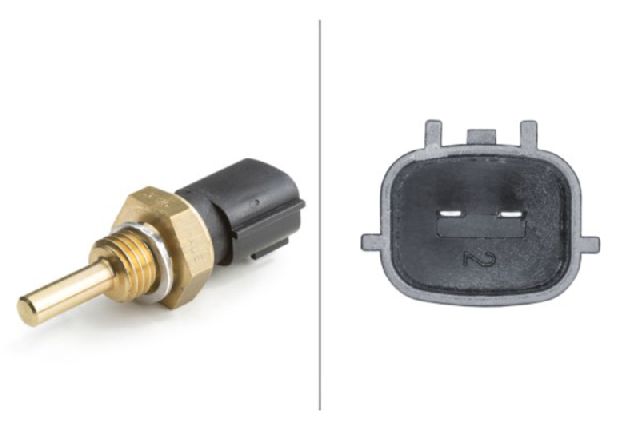
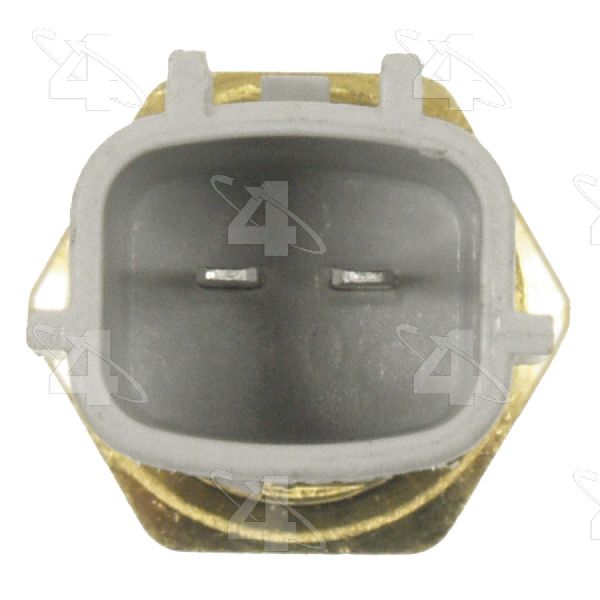
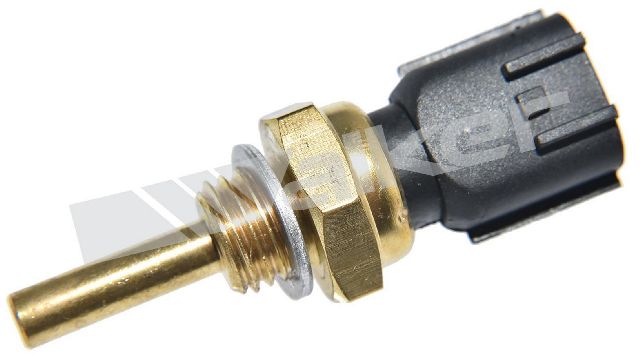
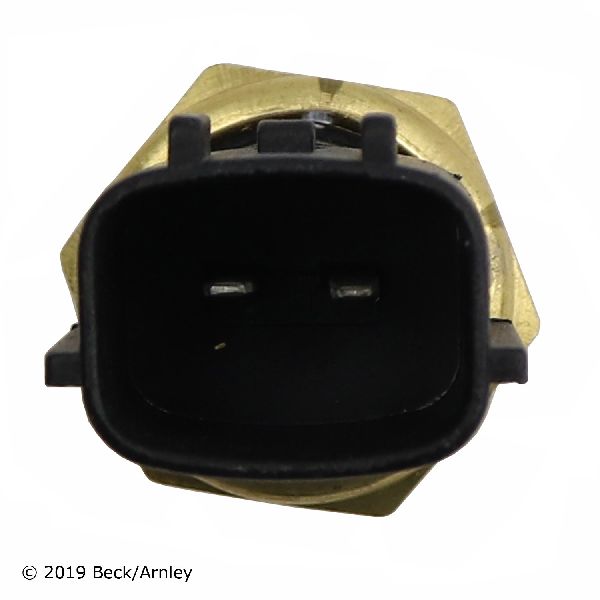
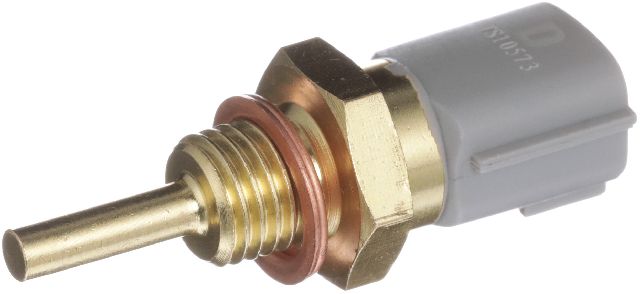
2-wire thermistor sensor with a 19mm hex head.
We Have This Part in Stock


The information in this article is provided for general reference and educational purposes only. Vehicle specifications, procedures, and part compatibility can vary by production date, trim level, and region. Always consult your vehicle's factory service manual and verify part numbers before purchasing or performing repairs. Safety-critical components such as airbags, seat belts, and braking systems should be installed by a qualified professional.
- Nissan Maxima: