

Hyundai Sonata Engine Coolant Temperature Sensor: A Comprehensive Guide (2010-2023)
Everything a Hyundai Sonata owner needs to know about a failing engine coolant temperature sensor and how to choose the right replacement.
- A bad ECT sensor on a Sonata commonly causes a Check Engine Light with codes P0117 or P0118.
- Symptoms directly impact drivability, including poor fuel economy, rough idle, and potential overheating.
- Replacement is a simple, low-cost DIY job that most owners can complete in under an hour.
- High-quality aftermarket brands like Delphi or NGK offer OEM-level performance for a much lower price.
Is Your Sonata's Engine Coolant Temperature Sensor Failing?

A bad Engine Coolant Temperature (ECT) sensor can cause a surprising number of problems with your 2010-2023 Hyundai Sonata. Because the engine's computer relies on this sensor for critical information, a false signal can lead to poor performance and drivability issues. Ignoring the symptoms can lead to reduced fuel economy and, in worst-case scenarios, engine damage from overheating.
Common Symptoms of a Bad ECT Sensor
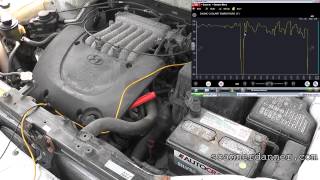
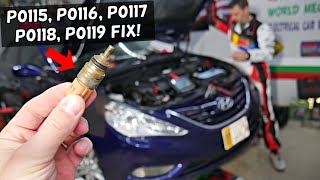
- Check Engine Light: This is the most common sign. Your scanner will likely show codes like P0117, P0118, or P0128. 🎬 Watch: How to diagnose these specific fault codes on your Sonata.
- Poor Fuel Economy: If the sensor wrongly tells the computer the engine is cold, the computer will enrich the fuel mixture, wasting gas.
- Black Smoke from Exhaust: A very rich fuel mixture can result in unburnt fuel exiting the exhaust as black smoke.
- Engine Overheating or Running Too Cool: The sensor helps control the cooling fans. A bad signal can mean the fans don't turn on when needed, causing overheating. Conversely, a false 'hot' signal might make the fans run constantly.
- Rough Idling or Hard Starts: The wrong fuel and timing adjustments can make the engine run poorly, especially when idling or trying to start.
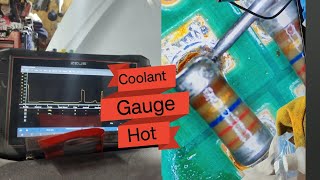
- Erratic Temperature Gauge: The gauge on your dashboard may spike to hot, drop to cold, or not move at all. 🎬 See a real-world example of an erratic temperature gauge in action.
Known Issues: Recalls and Service Bulletins
While some 2011-2014 Sonata models were part of major engine recalls related to internal component failure, our research found no specific recalls or widespread Technical Service Bulletins (TSBs) from Hyundai or the NHTSA for the Engine Coolant Temperature Sensor itself across the 2010-2023 model years. Failure is typically due to normal wear and tear over time.
Choosing the Right Aftermarket ECT Sensor

You don't need to buy a genuine Hyundai part to get a reliable sensor. For an electronic component like this, quality matters, but several aftermarket brands offer excellent performance and value. Here’s how they generally stack up:
Tier 1: OE-Quality Aftermarket Brands
These brands are often original equipment suppliers to various car manufacturers and are known for their quality and reliability. They are a safe bet for a fit and function that matches the original part.
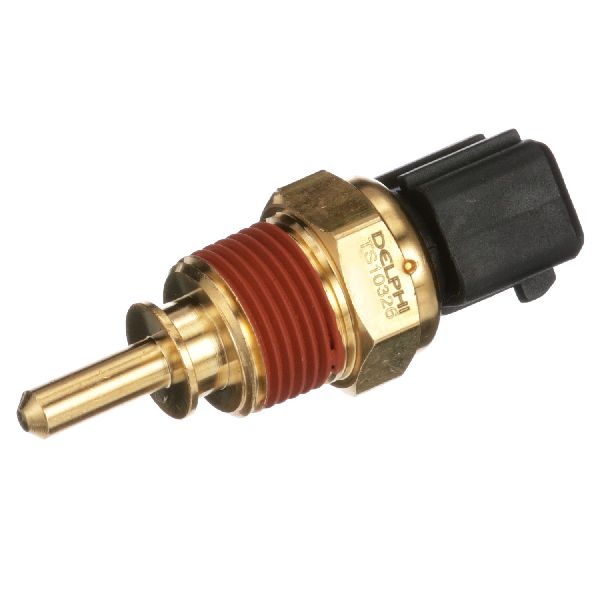
- Delphi: A highly respected name in automotive electronics, Delphi sensors are known for their robust, one-piece design that eliminates common failure points.
- NGK (NTK): As the sensor-focused branch of NGK, NTK parts are engineered to meet or exceed OE specifications and are rigorously tested for performance.
Tier 2: Reputable Aftermarket Brands
These brands provide a great balance of quality and price. They are trusted in the industry and are a solid choice for most repairs.
- Standard Motor Products (SMP): A long-standing company that produces direct-fit replacement parts that undergo extensive testing.
- Beck Arnley: Focuses on providing parts that match the original form, fit, and function for specific import vehicles like Hyundai.
- Hella: A German brand with a strong reputation for quality electronic components.
Tier 3: Value Brands
These brands offer a cost-effective solution. While they may not have the same long-standing reputation as Tier 1 brands, they can be a suitable option for budget-conscious repairs.
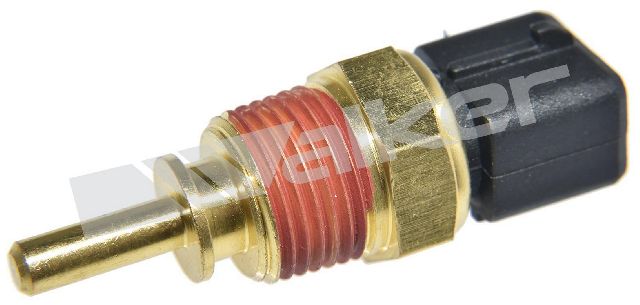
- Four Seasons, URO Parts, Walker Products: These brands provide functional replacements that get the job done at an affordable price point.
OEM vs. Aftermarket: What's the Smart Choice?
For the Sonata's ECT sensor, a high-quality aftermarket part from a brand like Delphi or NGK is an excellent choice. You get reliability that is often on par with the original part for a fraction of the cost. The genuine Hyundai sensor is a guaranteed fit but comes at a significant price premium that isn't necessary for this specific component.
Cost of Replacing the ECT Sensor

The total cost will depend on whether you do the job yourself or take it to a mechanic. This is a very DIY-friendly repair.
| Part or Service | Estimated Cost |
|---|---|
| New Aftermarket ECT Sensor | $15 - $46 |
| New OEM (Hyundai) ECT Sensor | $60 - $85 |
| Shop Labor | $75 - $150 |
| Total (DIY) | $15 - $46 |
| Total (Installed at Shop) | $90 - $200+ |
Frequently Asked Questions

Where is the ECT sensor located on my Hyundai Sonata?
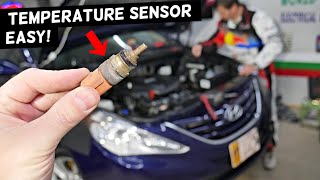
The sensor is typically located on the engine block or cylinder head, near the thermostat housing where the large upper radiator hose connects to the engine. 🎬 Watch this video to see the exact sensor location on your engine. It will have a plastic electrical connector on top.
Is this repair difficult to do myself?
No, this is considered an easy repair. If you can turn a wrench, you can likely replace this sensor in under an hour. The main steps are letting the engine cool, partially draining the coolant, and swapping the sensor.
Do I need to drain all the engine coolant?
No, you don't need to drain the entire system. You just need to drain enough coolant from the radiator's petcock so the coolant level is below the sensor's position. This will minimize spillage when you remove the old sensor. Have a catch pan ready.
Can a bad ECT sensor cause my car not to start?
Yes, it's possible. A faulty sensor can cause the engine to flood with too much fuel, making it difficult to start, especially when the engine is already warm.
Helpful Videos
Technical Specifications
OEM Part Numbers: 39220-38030 39220-2G000 39220-38020 39230-26700
The sensor is typically a brass-housed thermistor with a 2 or 3-pin electrical connector that threads into the engine's coolant passage, often near the thermostat housing.
We Have This Part in Stock


The information in this article is provided for general reference and educational purposes only. Vehicle specifications, procedures, and part compatibility can vary by production date, trim level, and region. Always consult your vehicle's factory service manual and verify part numbers before purchasing or performing repairs. Safety-critical components such as airbags, seat belts, and braking systems should be installed by a qualified professional.
- Hyundai Sonata: