

Kia Forte Engine Oil Pressure Switch Guide for 2010-2022 Models
Seeing a flickering oil light at idle? Your Forte's oil pressure switch is the most likely cause.
- A flickering oil light at idle is the number one symptom of a failing oil pressure switch on a Kia Forte.
- Always check your oil level first, but do not continue to drive with the oil light on.
- The switch can leak oil externally; check for wetness on and around the sensor near the oil filter.
- This is an easy and inexpensive DIY repair, typically taking less than an hour with basic tools.
Is Your Kia Forte Oil Light Flickering?

One of the most common electrical failures on the 2010-2022 Kia Forte is the engine oil pressure switch. Many owners first notice a problem when the red oil pressure light flickers, especially when the engine is warm and idling at a stop. The light may go away when you start driving and the engine RPMs increase. 🎬 Watch: Is your flickering light a bad sensor or engine wear? While this is a classic sign of a bad switch, you should always check your oil level first. If the oil level is correct, the switch itself is the next part to inspect.
Stop Driving Immediately
An oil pressure warning light indicates a potentially critical issue. Even if you suspect it's just a faulty sensor, the risk of severe engine damage from actual low oil pressure is too high. Do not drive your vehicle until the problem is diagnosed.
Common Failure Symptoms

- Flickering Oil Light at Idle: The light flashes when the car is stopped but goes off when you accelerate.
- Oil Light Stays On: The warning light is constantly lit, indicating a potential pressure problem or a completely failed switch.
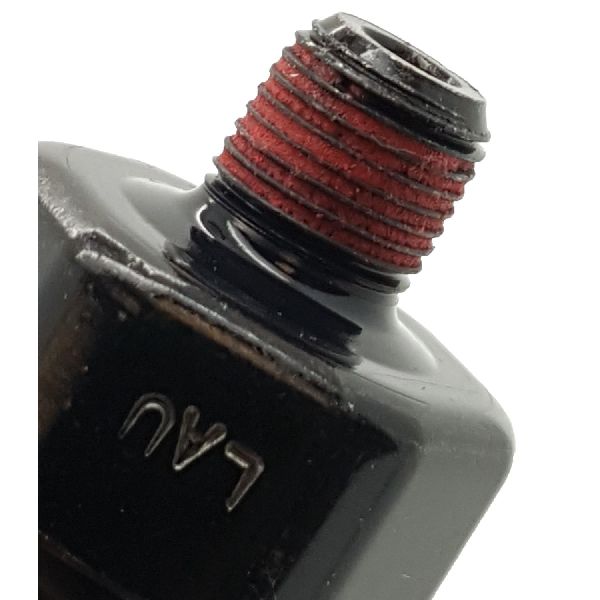
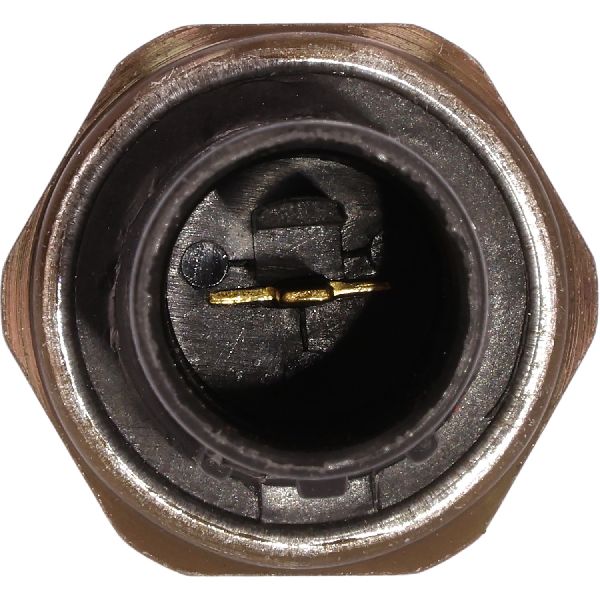
- External Oil Leak: The switch itself can fail and leak oil. You may find oil on the sensor, its electrical connector, and the area of the engine block below it, often near the oil filter. Sometimes, the switch leaks internally through the connector pins.
- Check Engine Light: In some cases, a faulty switch can trigger a Check Engine Light with codes like P0520, P0521, P0522, P0523, or P0524.
Known Issues: Recalls and Technical Service Bulletins (TSB)

For certain 2014-2018 Kia models, Kia issued a Technical Service Bulletin (TSB ENG169 / Warranty Extension WTY026) related to leaking oil pressure switches. This extended the warranty for this specific part to 15 years or 150,000 miles. The TSB notes that a leaking switch can be misdiagnosed as a more serious rear main seal leak. While this doesn't cover all model years, it confirms that the original OEM switches have a known history of failure.
Additionally, a recall (SC210) was issued for some 2017-2018 Forte models with the 2.0L MPI engine for an oil pump issue that could also cause the oil pressure light to illuminate. This highlights the importance of correctly diagnosing the cause of the warning light.
Choosing the Right Aftermarket Oil Pressure Switch

Since even the original OEM switches have a documented history of leaking, choosing a quality aftermarket replacement is a smart choice. Aftermarket brands often provide reliable performance at a lower cost.
- Established Brands (Standard, Rostra): Brands like Standard Ignition (SMP) and Rostra Powertrain are well-known in the aftermarket industry. They often manufacture parts in North America under strict quality certifications and are used by professional mechanics. They represent a solid balance of quality and value.
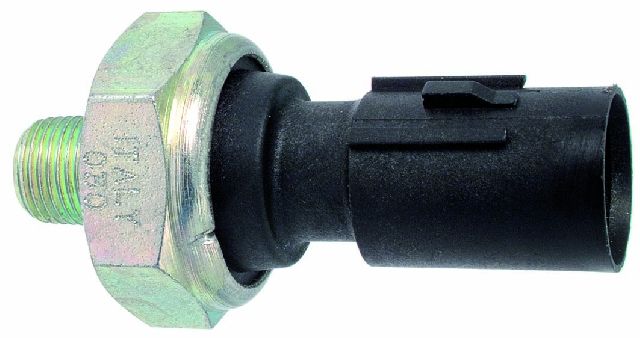
- OE-Style Brands (Facet): Facet is an Italian brand that markets its parts as meeting or exceeding original equipment quality. These can be a good option if you prefer parts made to OE specifications.
- Value Brands (Global Parts, True Tech): These brands typically compete on price, offering a functional replacement for the most budget-conscious repairs. While they can perform the job, their long-term durability may not be as proven as more established brands.
OEM vs. Aftermarket for this Part
Given the low cost of both OEM and aftermarket options, and the known leaking issue with the original part, a reputable aftermarket switch from a brand like Standard or Rostra is a very practical and reliable choice for this repair.
Replacement Cost

Replacing the oil pressure switch on a Kia Forte is an inexpensive repair, whether you do it yourself or take it to a shop. The part itself is very affordable.
| Part Type | Estimated Cost |
|---|---|
| New Aftermarket | $13 - $26 |
| New OEM | $9 - $15 |
| Shop Labor | $75 - $150 |
Frequently Asked Questions (FAQ)
Is it safe to drive with the oil light on?
No. You should pull over as soon as it is safe and turn off the engine. Driving with low oil pressure can destroy your engine in a very short amount of time. Even if it's just a bad sensor, you can't be sure without a proper diagnosis.
Where is the oil pressure switch located on a Kia Forte?
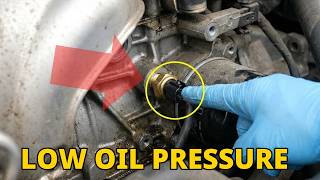
The switch is located on the front of the engine block, typically just above or next to the oil filter housing. You will need to get under the vehicle and may need to remove a plastic splash shield to see it.
Can I replace the oil pressure switch myself?
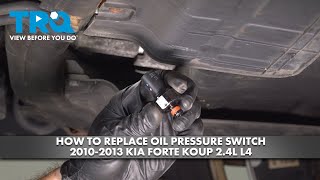
Yes, this is a very DIY-friendly job for most home mechanics. It requires basic tools, including a 24mm deep socket, and access from underneath the vehicle. The process involves disconnecting the electrical connector, unscrewing the old switch, applying thread sealant to the new switch, and installing it. The tightening torque is low, around 7-9 lb-ft.
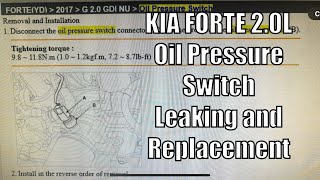
🎬 See this 2.0L replacement walkthrough and torque spec guide.Does the warranty extension for the leaking switch apply to my car?
The warranty extension (WTY026) specifically covers some 2014-2018 models. It's best to contact a Kia dealership with your vehicle's VIN to see if your specific car is covered under this program or any other recall.
Helpful Videos
Technical Specifications
OEM Part Numbers: 94750-37100 94750-37000 94750-2L100
Location: Front of engine block, near oil filter. Socket Size: 24mm deep socket. Torque Specification: 7.2 - 8.7 lb-ft (9.8 ~ 11.8 Nm). Sealant: Thread sealant is required for installation.
We Have This Part in Stock


The information in this article is provided for general reference and educational purposes only. Vehicle specifications, procedures, and part compatibility can vary by production date, trim level, and region. Always consult your vehicle's factory service manual and verify part numbers before purchasing or performing repairs. Safety-critical components such as airbags, seat belts, and braking systems should be installed by a qualified professional.
- Kia Forte: