

Toyota Corolla Rear Brake Drum Guide: 2010-2019
Everything a Corolla owner needs to know when replacing worn or noisy rear brake drums.
- No major recalls exist for 2010-2019 Corolla brake drums; failure is typically from normal wear.
- Symptoms include grinding noises, a vibrating pedal, and a weak parking brake.
- Always replace drums, shoes, and hardware at the same time and in pairs for best results.
- Quality aftermarket brands like Centric or Bendix offer a reliable, cost-effective alternative to OEM parts for this vehicle.
Is It Time for New Brake Drums?

The rear brake drums on your 2010-2019 Toyota Corolla are built to last, but they do wear out over time. Since the front brakes do most of the work, you might not think about the rear drums until you hear a noise or feel a problem. Knowing the signs of a worn brake drum can help you decide when it's time for a replacement.
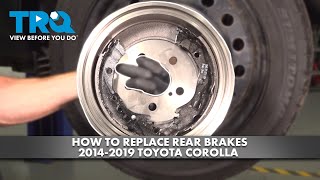
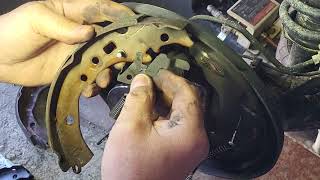
🎬 Watch: A complete walkthrough for replacing 2014-2019 Corolla rear brakes.Symptoms of a Worn Brake Drum
Pay attention to these common signs that your Corolla's rear drums need to be inspected:
- Scraping or Grinding Noises: This is the most common symptom. A loud scraping or grinding sound when you brake usually means the brake shoes inside the drum are completely worn out, and metal is grinding against metal.
- Vibrating Brake Pedal: If you feel a pulsation or vibration in the brake pedal when you press it, the drum may have become warped or "out-of-round." This prevents the brake shoes from making smooth, even contact.
- Weak Parking Brake: If you engage your parking brake and the car still rolls a little, it can be a sign that the drums and shoes are too worn to hold the car securely.
- Spongy or Low Brake Pedal: A brake pedal that feels soft, goes down further than usual, or is slow to respond can point to excessively worn drums.
No Major Recalls Found
Our search of the National Highway Traffic Safety Administration (NHTSA) database and technical service bulletins (TSBs) did not find any specific recalls or common defect patterns for the rear brake drums on the 2010-2019 Toyota Corolla. Most failures are due to normal wear and tear over the life of the vehicle.
Choosing the Right Aftermarket Brake Drum

For a reliable car like the Corolla, you don't always need to pay for the original Toyota part to get good quality. Aftermarket brands offer a range of options that provide safe, dependable performance, often at a better price. Since the rear brakes do less than 30% of the braking, a quality aftermarket drum is a smart choice for most owners.
| Brand Tier | Brands | What to Expect |
|---|---|---|
| Good (Economy) | Pronto, Dynamic Friction, some Raybestos & Centric lines | These are budget-friendly options that meet basic safety and performance standards. They are a good choice for a daily driver under normal conditions. Some forum users note that economy lines from Centric and Raybestos are perfectly adequate for rear drum applications. |
| Better (Standard OE-Quality) | Bendix, Centric (C-Tek/Premium), Raybestos (Element3) | These brands are known for making parts that meet or exceed the original equipment (OE) specifications. They often feature improved corrosion resistance and are a great balance of price and quality for long-term reliability. |
| Best (Performance/Premium) | Brembo | While Brembo is a top-tier brand known for high-performance braking, it is generally considered overkill for the rear drums on a Toyota Corolla. The cost is significantly higher and provides no real-world benefit for this specific application. |
Pro Tip: Replace as a Complete Kit
When you replace your brake drums, it is highly recommended to also replace the brake shoes and the hardware (springs and clips) at the same time. This ensures all components are new and work together properly, preventing noise and ensuring a long service life. Always replace brake drums in pairs (both left and right) to maintain balanced braking.
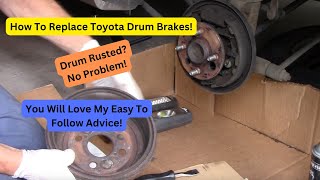
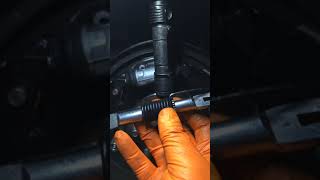
🎬 See this DIY guide for replacing drums, shoes, and hardware.Frequently Asked Questions (FAQ)

Do I need special tools to replace my Corolla's brake drums?
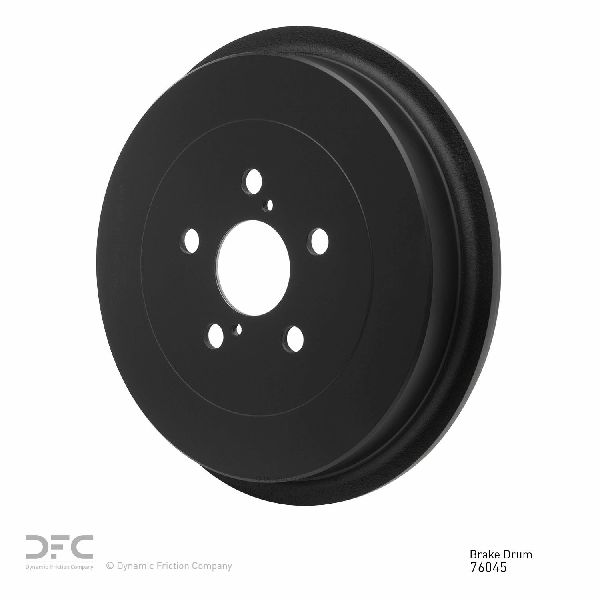
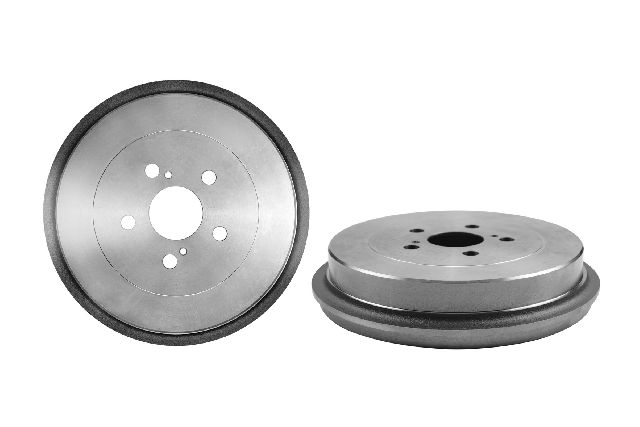
While it's possible to do the job with basic hand tools, drum brakes can be tricky. A brake spring tool and brake adjuster spoon will make the job much easier and safer. Stuck drums can often be removed using two M8x1.25 bolts threaded into the small holes on the face of the drum to push it off the hub.
Should I buy OEM or aftermarket brake drums?
For the rear of a Corolla, a quality aftermarket drum is a very popular and cost-effective choice. Brands like Centric, Bendix, and Raybestos offer products that perform just as well as the original part in daily driving. OEM is a great choice if you want a guaranteed perfect fit, but you will pay a premium for it.
Why is my car making a knocking noise after I replaced the drums?
A knocking or clicking sound after a drum brake job can sometimes be caused by the machining pattern on the new drum interacting with the new shoes. This noise often goes away on its own as the parts wear in together. If it persists, the adjustment may need to be double-checked.
What is the difference between a drum brake and a disc brake?
A drum brake stops the car by pushing shoes outward against the inside of a spinning drum. A disc brake stops the car by squeezing pads inward on a spinning rotor (or disc). Most modern cars, including many Corollas, use disc brakes on the front wheels and either disc or drum brakes on the rear.
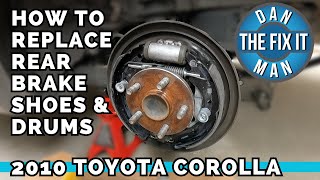
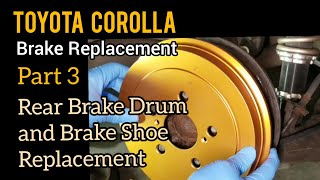
Helpful Videos
Technical Specifications
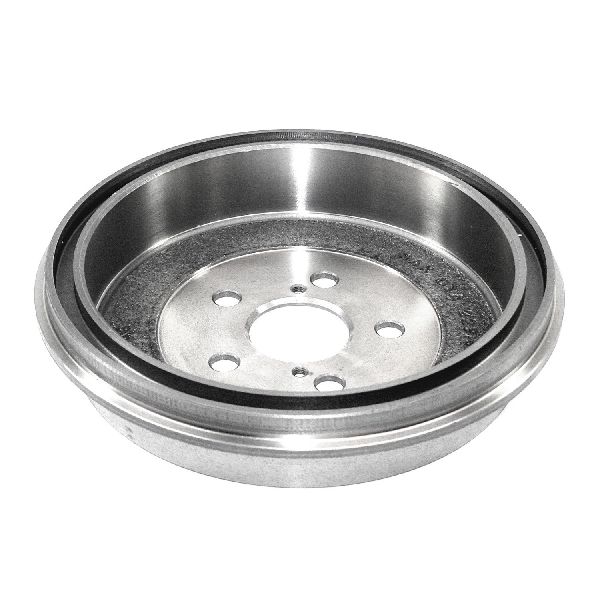
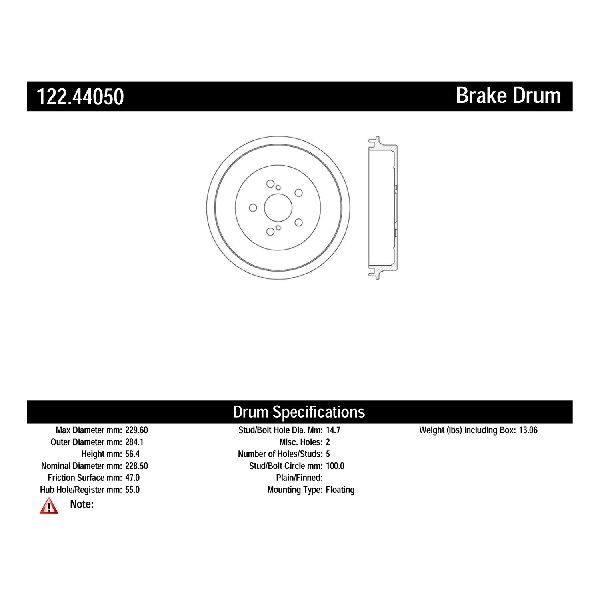
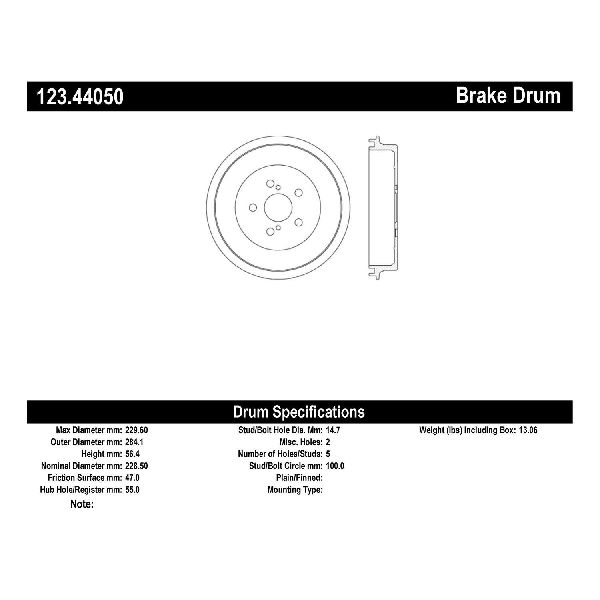
OEM Part Numbers: 42431-02230 42431-12130 42431-02020
Vehicle uses a rear drum brake system. Replacement requires removing the wheel and drum assembly. The drum can be forced off a rusted hub using two M8x1.25 bolts in the provided threaded holes. It is recommended to replace shoes and hardware with the drum.
We Have This Part in Stock

The information in this article is provided for general reference and educational purposes only. Vehicle specifications, procedures, and part compatibility can vary by production date, trim level, and region. Always consult your vehicle's factory service manual and verify part numbers before purchasing or performing repairs. Safety-critical components such as airbags, seat belts, and braking systems should be installed by a qualified professional.
- Toyota Corolla: