

Lincoln MKT Engine VVT Solenoid Guide (2010-2019)
Everything a 2010-2019 Lincoln MKT owner needs to know about replacing a faulty VVT solenoid.
- VVT solenoid failure is often caused by dirty engine oil; stick to a strict oil change schedule.
- Replacement is labor-intensive as the solenoids are under the valve covers on both the 3.5L and 3.7L engines.
- Due to the high labor cost, avoid budget brands and choose a high-quality aftermarket or OEM part to prevent repeat repairs.
- Always replace the valve cover gasket and VVT seals when performing this job to prevent future oil leaks.
Is Your Lincoln MKT VVT Solenoid Failing?
A bad Variable Valve Timing (VVT) solenoid, also called a VCT solenoid or oil control valve, can make your Lincoln MKT run poorly. Because these parts rely on clean engine oil to work, the most common reason for failure is old or dirty oil clogging their internal passages. Recognizing the signs of a failing solenoid can help you diagnose the problem before it gets worse.
Key Failure Symptoms:
- Check Engine Light: This is often the first sign. The computer will store trouble codes related to camshaft timing, such as P0015, P0017, or P0021.
- Rough Idle: The engine may shake or vibrate more than usual when the vehicle is stopped.
- Poor Engine Performance: You might feel a significant loss of power, hesitation when accelerating, and overall sluggishness.
- Decreased Fuel Economy: If the engine can't time itself efficiently, you'll notice you're visiting the gas station more often.
- Engine Rattle or Ticking: On the 3.5L EcoBoost engine, a failing VVT system can be related to a rattling or ticking noise from the front of the engine, especially on a cold start.
- Oil Leaks: Sometimes the seals around the solenoids on the valve cover can leak, leaving oily residue.
A Note on the 3.5L EcoBoost Engine
For MKT models with the 3.5L EcoBoost V6, VVT solenoid issues are often linked with cam phaser problems, which can cause a distinct rattling noise on startup. If you hear this rattle, it's important to have a mechanic diagnose whether the issue is just the solenoids, the cam phasers, or both. Replacing only the solenoids may not fix the underlying noise if the phasers are worn.
Choosing the Right Aftermarket VVT Solenoid
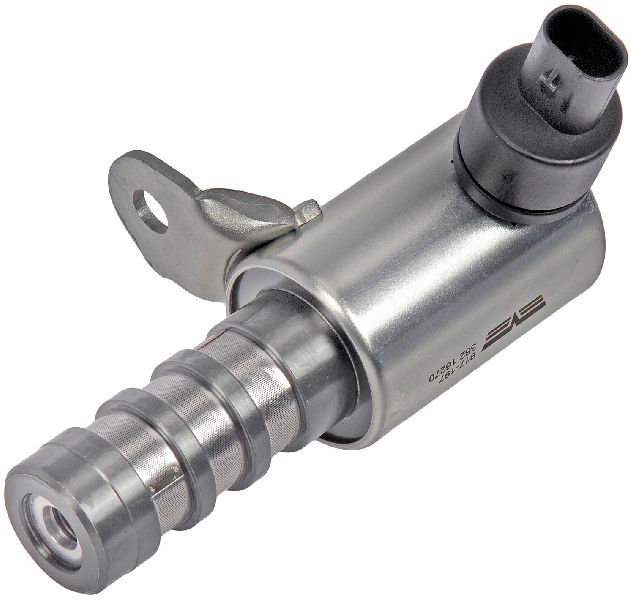
In the 2010-2019 Lincoln MKT, the VVT solenoids are located underneath the valve covers. This makes the replacement a labor-intensive job. Because of the high labor cost, choosing a reliable, high-quality part is extremely important to avoid doing the job a second time. We've grouped the available brands into tiers based on reputation and reliability for this specific application.
Tier 1: High-Quality Aftermarket (Recommended)
These brands are known for producing reliable electronic components that meet or exceed OEM standards. For a part that is difficult to access, spending a little more here is a smart investment.
- Standard Ignition (SMP): Often considered a top-tier aftermarket supplier with a strong reputation for quality electronics.
- Gates: A well-respected brand in the automotive world, known for quality manufacturing.
- NGK: Another brand with a reputation for high-quality engine management components.
Tier 2: Reputable Aftermarket
These brands are generally reliable and offer a good balance of cost and quality. They are a solid choice if top-tier brands are not available.
- Beck Arnley: Focuses on sourcing parts that match the original form, fit, and function.
- Cloyes: Primarily known for timing components, their VVT solenoids are generally considered dependable.
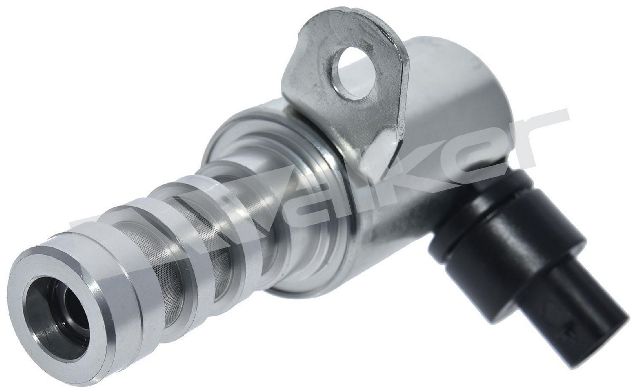
- Walker Products: A long-standing company with a wide range of engine management parts.
Tier 3: Budget-Focused (Use with Caution)
While the price is attractive, brands in this category, particularly for complex electronics, have a mixed reputation. Forum discussions among Ford and Lincoln owners frequently warn against using budget solenoids for this repair due to higher reported failure rates. Given the labor involved, a failure could cost you hundreds of dollars to fix again.
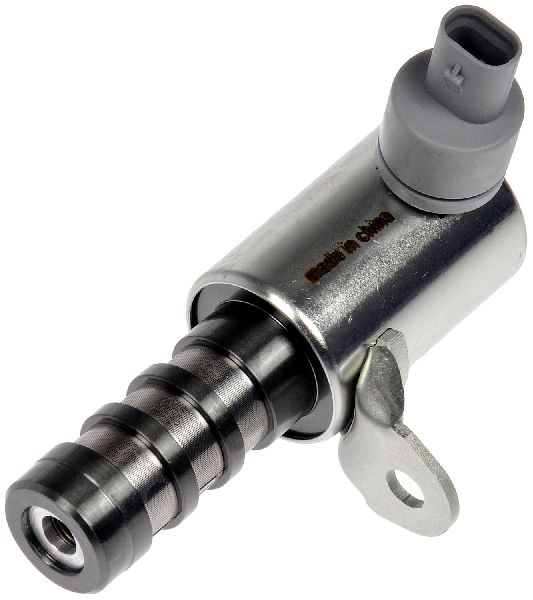
- Dorman: While Dorman makes some excellent problem-solving parts, their electronic components like VVT solenoids have a reputation for being inconsistent.
- Other budget brands (Global Parts, URO Parts, etc.)
Pro Tip: Replace in Sets
Your MKT has four VVT solenoids (Intake and Exhaust for each cylinder bank). If one has failed due to age or oil contamination, the others are likely not far behind. Since the valve cover has to be removed to access them, it is highly recommended to replace both solenoids on a bank (or all four) at the same time to save on future labor costs.
Cost to Replace Lincoln MKT VVT Solenoids
The total cost includes the parts and the labor to remove the valve cover(s) and replace the solenoids. Labor will be the largest part of the expense.
| Item | Estimated Cost |
|---|---|
| New Aftermarket VVT Solenoid (Each) | $32 - $130 |
| New OEM VVT Solenoid (Each) | $75 - $200 |
| Shop Labor (Per Bank) | $200 - $400+ |
| Total for One Bank (Aftermarket) | $264 - $660+ |
| Total for Both Banks (Aftermarket) | $528 - $1320+ |
Frequently Asked Questions
Are there any recalls for the VVT solenoids on the Lincoln MKT?
No, there are no active recalls specifically for the VVT solenoids on the 2010-2019 Lincoln MKT. However, Ford did issue a Technical Service Bulletin (TSB 16-0010) for the 2010-2014 MKT, which advises technicians to replace the VVT solenoid for certain diagnostic codes (P0015, P0017), indicating it's a known issue.
Can I just clean my VVT solenoids instead of replacing them?
Some people have had temporary success cleaning the solenoids, especially if the issue is minor clogging. However, because accessing them on the MKT requires removing the valve covers, it is a lot of labor for a temporary fix. If the solenoid's internal electronics are failing, cleaning will not help. Replacement is the only guaranteed solution.
How can I prevent my new VVT solenoids from failing?
The single best thing you can do is perform regular oil changes with the correct, high-quality engine oil and filter as specified by Lincoln. The VVT system is highly dependent on clean oil and proper oil pressure to function. Delaying oil changes is the number one cause of VVT system problems.
Do I need to replace the valve cover gasket at the same time?
Yes. Since the valve cover must be removed to access the solenoids, you should always install a new valve cover gasket and new VVT solenoid seals to prevent oil leaks. Most valve cover gasket kits for the MKT will include these seals.
Technical Specifications
OEM Part Numbers: 7T4Z-6M280-A 7T4Z-6M280-B 7T4Z-6M280-C BL3Z-6M280-A BL3Z-6M280-B
The 3.5L and 3.7L V6 engines in the Lincoln MKT use four VVT solenoids: one intake and one exhaust solenoid for each cylinder bank (Bank 1 and Bank 2). The intake and exhaust solenoids are often different parts and must be installed in their correct locations. Always verify part numbers with your vehicle's VIN.
We Have This Part in Stock


The information in this article is provided for general reference and educational purposes only. Vehicle specifications, procedures, and part compatibility can vary by production date, trim level, and region. Always consult your vehicle's factory service manual and verify part numbers before purchasing or performing repairs. Safety-critical components such as airbags, seat belts, and braking systems should be installed by a qualified professional.
- Lincoln MKT: