

A Guide to the 2010-2019 Kia Soul Neutral Safety Switch
If your Soul won't start, starts in the wrong gear, or has no reverse lights, the neutral safety switch could be the problem.
- A no-start condition where dash lights work is a primary symptom of a bad neutral safety switch.
- This part is also called an 'inhibitor switch' or 'transmission range sensor' for the Kia Soul.
- If your car can start in gear, it is unsafe to drive and needs immediate repair.
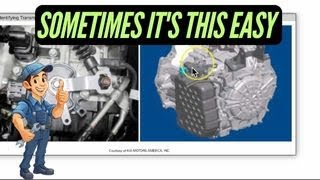
- Replacement is a manageable DIY task for those with basic tools, located on top of the transmission.
Understanding the Neutral Safety Switch on Your Kia Soul

The neutral safety switch, which Kia often calls an inhibitor switch or transmission range sensor, is a small but essential part of your vehicle's starting and transmission system. It's mounted on the outside of the transmission, right where the shift cable connects. Its job is to read the position of your gear selector (P, R, N, D) and send that signal to the main computer. This signal ensures the engine can only be started in Park or Neutral and correctly activates the backup lights when you shift into Reverse. When this switch fails, it can cause a range of frustrating and potentially dangerous problems.
Common Symptoms of a Failing Switch

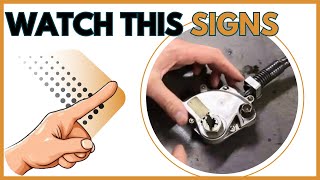
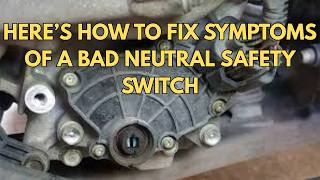
A bad neutral safety switch on a Kia Soul can show several signs. The most common issue is a no-start condition where you turn the key and nothing happens, even though your battery is good and the dashboard lights come on. You might find the car starts in Neutral but not in Park, or vice-versa. Sometimes, wiggling the shifter while holding the key in the 'start' position can make it start, which is a strong clue the switch is failing. Other major symptoms include:
- The engine cranks or starts in a gear other than Park or Neutral (a serious safety risk).
- Your reverse lights do not turn on when you shift into Reverse.
- The gear indicator on your dashboard (PRNDL) doesn't match the gear you've selected.
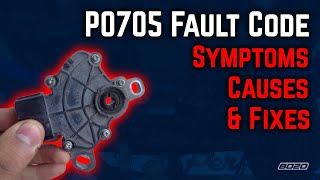
- The Check Engine Light comes on, often with code P0705.
Safety Warning
If your car can start in 'Drive' or 'Reverse', it is extremely dangerous. The vehicle can move unexpectedly, causing a serious accident. Do not drive the car and have it serviced immediately.
Known Issues, Recalls, and TSBs
While there are no specific recalls for the neutral safety switch itself on the 2010-2019 Kia Soul, some related service bulletins exist. For example, TSB SA126 was issued for some earlier model Sorentos (which share parts and designs with the Soul) for a no-start condition and P0705 code related to the inhibitor switch. Additionally, a major recall (NHTSA ID: 23V-652000) was issued for 2011-2013 Souls for a fire risk related to the ABS module, but this is separate from the neutral safety switch. Always check for open recalls or service campaigns for your specific vehicle's VIN.
Choosing the Right Aftermarket Part

When replacing the neutral safety switch, you have options outside of the expensive dealership part. Aftermarket brands offer a cost-effective alternative. For this part, quality is important for long-term reliability.
- Standard Ignition (Standard Motor Products): Often considered a top-tier aftermarket brand. Their parts are designed to meet or exceed original equipment (OE) specifications and are known for their robust design and reliability. This is a great choice for a high-quality, dependable repair.
- Rostra Powertrain: A well-known name in the transmission parts industry. Rostra provides solid, reliable components that are a good alternative to the original part. They offer a good balance of quality and value.
For a critical safety component like this, choosing a reputable aftermarket brand like Standard or Rostra is a smart move. They provide a reliable fix without the high cost of an OEM part from the dealer.
Replacement Cost

The cost to replace a neutral safety switch can vary. The part itself is affordable, but labor costs can add up if you have a shop do the work. The job is accessible for a DIY mechanic with basic tools.
| Part/Service | Estimated Cost |
|---|---|
| New OEM Part | $65 - $115 |
| New Aftermarket Part | $71 - $108 |
| Shop Labor | $100 - $200 |
| Total Professional Replacement | $170 - $320 |
DIY Installation Tip
On the 2010-2019 Kia Soul, the neutral safety switch is located on top of the transmission, under the air filter box and battery tray. To replace it, you'll need to remove these components for access. The switch is held on by a few bolts and connected with a single electrical plug. Always disconnect the battery before starting work. No special tools are required, just a basic socket set.
Frequently Asked Questions
Is a neutral safety switch the same as a transmission range sensor?
Yes. For the Kia Soul, these terms are used interchangeably, along with 'inhibitor switch'. They all refer to the same part that detects the gear shifter's position.
Can I drive my Kia Soul with a bad neutral safety switch?
It is not recommended. If the car starts in gear, it's a major safety hazard. If it has an intermittent no-start issue, you risk being stranded. It's best to get it fixed as soon as possible.
My mechanic says the switch just needs adjustment. Is that possible?
Sometimes, the switch can become slightly misaligned, causing starting issues. An adjustment might fix it temporarily, but it often indicates the switch is wearing out. Given the low cost of a new part, replacement is usually the best long-term solution.
Will a bad neutral safety switch always cause a Check Engine Light?
Not always. The switch can begin to fail without triggering a code. However, if the computer detects a signal that is impossible (e.g., the car is in Park and Drive at the same time), it will trigger a Check Engine Light and store a code like P0705.
Helpful Videos


Technical Specifications
OEM Part Numbers: 42700-26700 42700-26500 42700-26000 42700-2D010 42700-23010
Located on the exterior of the transmission housing, connected to the manual shift lever. Also known as an inhibitor switch or transmission range sensor.
We Have This Part in Stock


The information in this article is provided for general reference and educational purposes only. Vehicle specifications, procedures, and part compatibility can vary by production date, trim level, and region. Always consult your vehicle's factory service manual and verify part numbers before purchasing or performing repairs. Safety-critical components such as airbags, seat belts, and braking systems should be installed by a qualified professional.
- Kia Soul: