

Kia Soul MAP Sensor (2010-2019): A Guide to Symptoms and Replacement
Experiencing rough idling or poor gas mileage in your Kia Soul? Your MAP sensor might be the culprit.
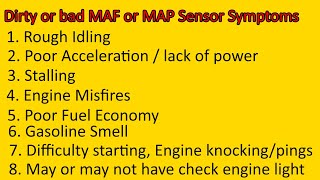
- A faulty MAP sensor on a Kia Soul commonly causes a rough idle, poor fuel economy, and hesitation, often triggering a P0106 code.
- Replacement is a very simple DIY task, requiring only a 10mm socket and about 15 minutes.
- Aftermarket sensors are a cost-effective and reliable alternative to expensive OEM parts for this specific component.
- There are no active recalls or common Technical Service Bulletins (TSBs) for the MAP sensor on the 2010-2019 Kia Soul.
Is a Failing MAP Sensor a Common Problem on the 2010-2019 Kia Soul?


While not a universal issue, the MAP sensor can fail on any modern vehicle, including the Kia Soul. These sensors can be damaged by engine heat, vibration over many miles, or even moisture from improper engine washing. Problems with the wiring or connector can also cause the sensor to send bad signals. A diagnostic trouble code, most commonly P0106, will often be stored in the computer when the sensor's performance is out of range.
🎬 Watch: Learn more about P0106 symptoms and circuit testing.Choosing an Aftermarket Replacement MAP Sensor

When your MAP sensor fails, you have a choice between a new Original Equipment Manufacturer (OEM) part from Kia or a new aftermarket part. For a simple electronic sensor like this, an aftermarket part is often a cost-effective and reliable choice.
OEM: The original part from a Kia dealer offers a guaranteed fit and the quality you'd expect from the factory. However, it is by far the most expensive option.
Aftermarket (Replacement Brand): Aftermarket brands like Replacement offer a direct-fit part that performs the same function as the original. For a component like a MAP sensor on the Kia Soul, where there are no widespread reports of aftermarket parts causing issues, these brands provide excellent value. They are manufactured to meet or exceed OEM specifications and are a practical choice for most owners needing to solve common failure symptoms without the high cost of a dealer part.
Pro Tip: Check the Simple Things First
Before buying a new sensor, inspect the vacuum hoses connected to the intake manifold for any cracks or leaks, as this can mimic the symptoms of a bad MAP sensor. Also, check the sensor's electrical connector for damage or corrosion. Sometimes the problem is a bad connection, not a bad sensor.
🎬 See how to check for common wiring and connector issues.DIY Replacement Guide

Replacing the MAP sensor on a 2010-2019 Kia Soul is a straightforward job that most DIYers can complete in under 15 minutes. 🎬 Watch this step-by-step guide to replacing the sensor yourself. The sensor is typically located on the front of the intake manifold, making it easy to access.
- Locate the Sensor: Open the hood and look at the front of the engine. The MAP sensor is a small, black plastic sensor mounted directly to the plastic intake manifold, usually held in by a single 10mm bolt.
- Disconnect the Battery: As a safety precaution, disconnect the negative terminal of your car battery.
- Remove the Old Sensor: Unplug the electrical connector by pressing the release tab. Then, use a 10mm socket or wrench to remove the single bolt holding the sensor in place. Gently twist and pull the sensor straight out of the manifold.
- Install the New Sensor: Lightly lubricate the O-ring on the new sensor with some fresh engine oil to ensure a good seal and easy installation. Press the new sensor firmly into place, reinstall the 10mm bolt (don't overtighten it), and reconnect the electrical connector.
- Finish Up: Reconnect the negative battery terminal. The check engine light may turn off on its own after a few driving cycles, or you can clear it with an OBD-II scanner.
Common Ordering Mistake
Kia used a few different MAP sensors across the 2010-2019 model years for the 1.6L and 2.0L engines. Always verify the part fits your specific year and engine size before ordering. Using your vehicle's VIN is the best way to ensure you get the correct part.
Cost to Replace a Kia Soul MAP Sensor (2010-2019)
| Part Type | Average Cost |
|---|---|
| New Aftermarket (e.g., Replacement) | $20 - $40 |
| New OEM (Kia) | $70 - $125+ |
| Shop Labor | $50 - $100 |
Frequently Asked Questions (FAQ)
Where is the MAP sensor on a Kia Soul?
For the 2010-2019 Kia Soul, the MAP sensor is located on the intake manifold, typically on the front of the engine, making it very easy to see and access. It is held in place by one 10mm bolt.
Can I clean a MAP sensor instead of replacing it?
While some sensors like the Mass Airflow (MAF) sensor can sometimes be cleaned, MAP sensors are generally replaced rather than cleaned. The sensing element is often internal and not easily accessible. Given the low cost of an aftermarket replacement, swapping it for a new one is the most reliable repair.
Are there any recalls for the Kia Soul MAP sensor?
No. Searches of the National Highway Traffic Safety Administration (NHTSA) database show no recalls specifically for the MAP sensor on 2010-2019 Kia Soul models. Recalls found for the Soul were related to other engine components on different model years.
What's the difference between a MAP and a MAF sensor?
A MAP (Manifold Absolute Pressure) sensor measures air pressure in the intake manifold. A MAF (Mass Airflow) sensor measures the volume and density of the air entering the engine. Some vehicles use one or the other, and some use both. The Kia Soul primarily relies on a MAP sensor for its calculations.
Helpful Videos



Technical Specifications
OEM Part Numbers: 39300-2B100 39300-2B000 39300-22600 39300-38110
Mounts to the intake manifold, typically with a single bolt. Features a 4-pin oval electrical connector.

The information in this article is provided for general reference and educational purposes only. Vehicle specifications, procedures, and part compatibility can vary by production date, trim level, and region. Always consult your vehicle's factory service manual and verify part numbers before purchasing or performing repairs. Safety-critical components such as airbags, seat belts, and braking systems should be installed by a qualified professional.
- Kia Soul: