

Ford Fiesta 1.6L Engine Timing Belt Guide for 2011-2019 Models
Don't risk your Fiesta's engine; learn the real story on when to replace its timing belt.
- Your 2011-2019 Fiesta 1.6L has an interference engine; a broken timing belt will cause severe engine damage.
- Do not follow the 150,000-mile interval. Plan to replace the timing belt, tensioner, and water pump around 100,000 miles or 10 years.
- Always use a complete kit from a reputable brand like Gates or Dayco; do not just replace the belt alone.
- Listen for whirring or buzzing noises from the engine, as this is a key warning sign addressed by a Ford TSB.
Is My 2011-2019 Fiesta's Engine a Time Bomb?

If you own a Fiesta with the common 1.6L engine, the timing belt is one of the most critical maintenance items you cannot ignore. While Ford suggests a very long replacement interval of 150,000 miles, real-world experience and mechanic recommendations point to a shorter, safer timeline. Because this is an interference engine, a snapped belt means your engine will likely be destroyed. This guide covers the symptoms of a failing belt, when you should actually replace it, and how to choose the right aftermarket parts for the job.
Note: This guide is for the 1.6L Ti-VCT engine found in most 2011-2019 North American Fiestas. It does NOT apply to the 1.0L EcoBoost engine, which uses a different "belt-in-oil" (wet belt) system with its own unique issues.
Symptoms of a Failing Timing Belt

A timing belt can fail without warning, but sometimes it gives clues. Listen and look for these signs:
- Engine Noises: A whirring, buzzing, or ticking sound coming from the timing belt cover on the passenger side of the engine is a common symptom. This may be more noticeable at certain RPMs (950-1200 RPM) after a cold start.
- Engine Won't Start: If the belt has broken, the engine will crank over (often faster than usual) but will not start. Do not continue to crank the engine, as you could cause more damage.
- Check Engine Light: A stretched or jumped belt can throw off the engine's timing, triggering a check engine light. A common trouble code is P0016, indicating a crankshaft/camshaft correlation issue.
- Oil Leaks: Leaking oil from the front of the engine near the timing belt cover can indicate a failing crankshaft or camshaft seal, which are often replaced during a timing belt job.
Known Issues: TSB 14-0101
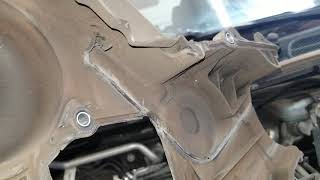
Ford issued Technical Service Bulletin (TSB) 14-0101 for some 2012-2014 Fiesta models with the 1.6L engine. The TSB addresses a specific "whirring, buzz or saw-type noise" from the timing belt area. The official repair procedure is to replace the timing belt and the timing belt covers. If you hear this noise, it's a clear sign that service is needed.
🎬 Watch: Hear what a failing 1.6L timing belt sounds likeChoosing the Right Aftermarket Timing Belt Kit

For a critical part like this, brand quality matters. However, you don't need to buy from the dealer to get a reliable part. Reputable aftermarket brands are often the original equipment manufacturer (OEM) for Ford and offer the same quality for less money. Always buy a complete kit that includes the belt and the tensioner.
Aftermarket Brand Tiers
| Brand | Quality Assessment |
|---|---|
| Gates | Considered the gold standard by many mechanics and DIYers. Gates is a major OEM supplier, and their kits are known for quality and reliability. An excellent and safe choice. |
| Dayco | Another top-tier brand that supplies belts to automakers. Dayco kits are a dependable, high-quality alternative to OEM parts. |
| Cloyes | A well-known brand in timing components, offering kits for the Fiesta. While less frequently discussed in forums than Gates or Dayco for this specific application, they are a recognized aftermarket supplier. |
Pro Tip: The water pump on the 1.6L Fiesta is located behind the timing belt. While it's not driven by the belt, the labor to access it is the same. It is highly recommended to replace the water pump at the same time you replace the timing belt to avoid a future, redundant repair. Many premium kits (like the Gates TCKWP series) include a new water pump.
Frequently Asked Questions (FAQ)

How often should I really replace my Fiesta's timing belt?
Ford's official interval is 150,000 miles, but this is widely considered too long. Due to the rubber belt aging and the catastrophic risk of failure, most mechanics and experienced owners recommend replacement based on time or lower mileage: every 10 years or 100,000 miles, whichever comes first.
Is this a good DIY job?
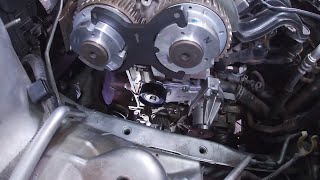
No, this is not recommended for beginners. The 1.6L Fiesta engine requires special tools to lock the camshafts and crankshaft in place during the procedure. The crankshaft pulley is not keyed, meaning it can spin freely once loosened, making proper timing difficult without the correct tools. Mistakes will lead to engine damage. This job is best left to an experienced DIYer 🎬 See this step-by-step timing belt and water pump replacement guide or a professional shop.
What is an interference engine?
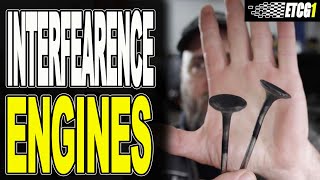
It's an engine design where the path of the pistons and the path of the valves can occupy the same space, but at different times. The timing belt keeps them from colliding. If the belt breaks, the camshafts stop turning, leaving some valves open, and the still-moving pistons will crash into them, causing bent valves, damaged pistons, and a destroyed engine.
Should I buy an OEM or Aftermarket timing belt?
For the Fiesta 1.6L, a high-quality aftermarket kit from a brand like Gates or Dayco is a reliable and cost-effective choice. These companies are often the OEM suppliers anyway. The most important thing is to use a complete kit with a new belt and tensioner, not just the belt itself.
Helpful Videos
Technical Specifications
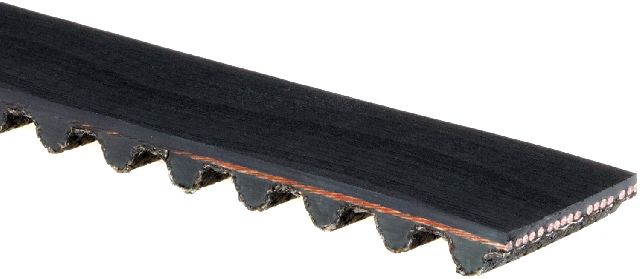
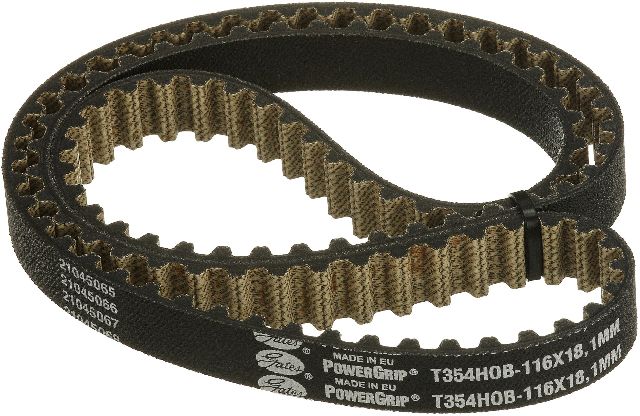
OEM Part Numbers: BE8Z-6268-C BE8Z-6268-B CM5Z-6268-A
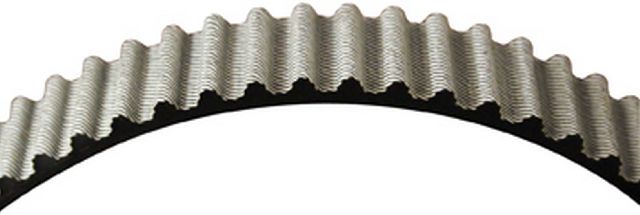
Belt Tooth Count: 117
We Have This Part in Stock

The information in this article is provided for general reference and educational purposes only. Vehicle specifications, procedures, and part compatibility can vary by production date, trim level, and region. Always consult your vehicle's factory service manual and verify part numbers before purchasing or performing repairs. Safety-critical components such as airbags, seat belts, and braking systems should be installed by a qualified professional.
- Ford Fiesta: