

A Guide to the Serpentine Belt on Your 2010-2019 Chevrolet Cruze
Understand the sounds and signs from your Cruze's engine and choose the right replacement belt.
- A chirping noise on a 1.4L Cruze may be a loose spark plug, not the belt; check this first.
- Always inspect the belt tensioner for wear; it's a common failure point and should often be replaced with the belt.
- Top aftermarket brands like Continental and Gates offer OEM-quality or better performance for this part.
- Replacement requires removing an engine mount, making the job more difficult than on other vehicles.
Is Your Cruze's Serpentine Belt Failing?

A failing serpentine belt gives clear warning signs. Ignoring them can lead to a sudden breakdown, engine overheating, and a dead battery. Listen and look for these symptoms:
- Squealing or Chirping Noises: This is the most common sign. You'll hear a high-pitched noise from the engine bay, especially when you first start the car or turn on the air conditioning.
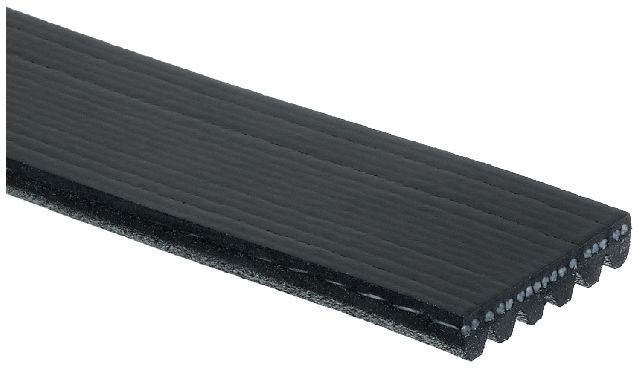
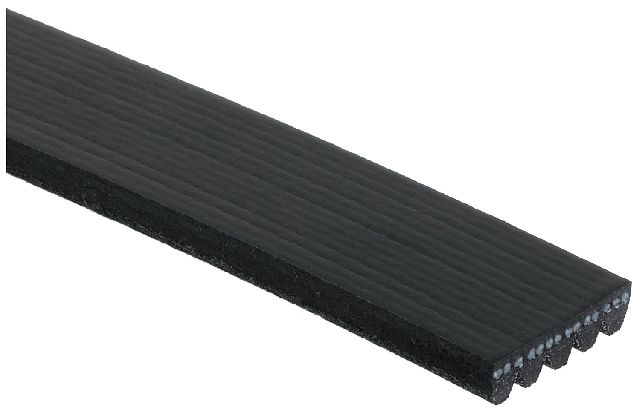
- Visible Damage: Look at the belt. If you see cracks, splits, frayed edges, or a shiny, glazed surface, it's time for a replacement.
- System Failures: If your headlights start to dim, the battery light comes on, the A/C stops blowing cold air, or the engine temperature gauge rises quickly, a slipping or broken belt is a likely cause.
A Common Cruze Issue: Is It Really the Belt?
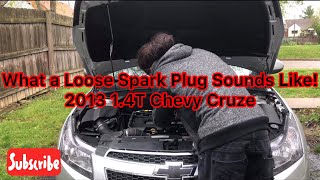
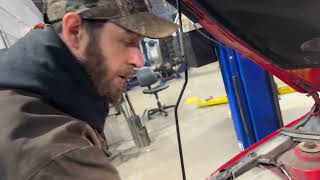
On the 1.4L turbo engine, a loud chirping noise is often mistaken for a bad belt. Before you buy parts, check if your spark plugs are tight. 🎬 Watch: How to tell if a chirp is actually a loose spark plug. A loose spark plug can make a very similar noise as it leaks compression. Also, the belt tensioner, a spring-loaded pulley that keeps the belt tight, can wear out and cause noise or belt failure. Many mechanics recommend replacing the tensioner with the belt.
Choosing the Right Aftermarket Serpentine Belt

You don't need to buy the most expensive belt, but you should choose a brand with a good reputation. For the Chevrolet Cruze, quality aftermarket belts are as good as the original GM part. They are grouped here by reputation based on mechanic and owner feedback.
Tier 1: Premium Aftermarket (OEM Quality or Better)
- Continental: Often considered a top choice. Their "Elite" series (previously known as Goodyear Gatorback) is well-regarded for being quiet and durable.
- Gates: Another premium brand trusted by professional mechanics. Gates is a major OEM supplier and their belts are known for reliability and long life.
Tier 2: Reputable Aftermarket
- Dayco: A well-known brand that offers good quality. Some of their belts feature Kevlar reinforcement for added strength. It's a solid choice that meets or exceeds OEM standards.
- INA: While famous for making high-quality tensioners and pulleys (they are an OEM supplier for many carmakers), INA also produces reliable serpentine belts. Pairing an INA tensioner with a quality belt is a great combination.
How Much Does a Serpentine Belt Replacement Cost?

The cost depends on whether you do it yourself or have a shop do the work. The job on a Cruze is more complex than on many other cars because an engine mount must be removed to access the belt.
| Item | Estimated Cost |
|---|---|
| New Aftermarket Serpentine Belt | $8 - $68 |
| Shop Labor | $100 - $250 |
| Total Professional Replacement | $130 - $320 |
Cost estimates are based on national averages and may vary by location and repair shop.
Pro Tip: Replace as a Kit
Because the tensioner is a common failure point and labor is a significant part of the cost, it is highly recommended to replace the serpentine belt, tensioner, and any idler pulleys at the same time. This prevents you from having to pay for the same labor twice if the tensioner fails soon after the belt is replaced.
Frequently Asked Questions

How often should I replace my Cruze's serpentine belt?
There is no exact mileage, but belts are typically inspected after 40,000 miles and replaced between 60,000 and 100,000 miles, or as soon as they show signs of wear like cracking or fraying. Your driving conditions can affect its lifespan.
Is replacing the serpentine belt a DIY job?
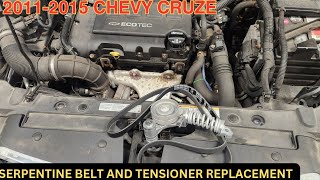
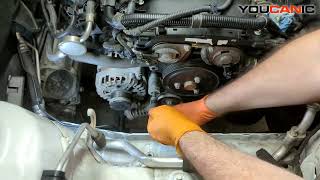
For an experienced DIYer, yes. However, it requires supporting the engine from below and removing a passenger-side engine mount 🎬 Watch this DIY guide to see how to safely remove the mount. to get the belt off and on. If you are not comfortable with this, it is best to leave it to a professional.
What happens if the serpentine belt breaks while driving?
You will immediately lose power steering (making the wheel very hard to turn), the alternator will stop charging the battery, and the water pump will stop circulating coolant, causing the engine to overheat quickly. You should pull over safely as soon as possible and turn off the engine to prevent damage.
Do I need a special tool to change the belt?
You will need a standard set of mechanic's tools, including sockets and a ratchet. A long-handled ratchet or breaker bar is needed to release the tensioner. To do the job correctly, you will also need a jack and jack stands to support the engine.
Helpful Videos



Technical Specifications
OEM Part Numbers: 55565302 12638808 25195388 55578811
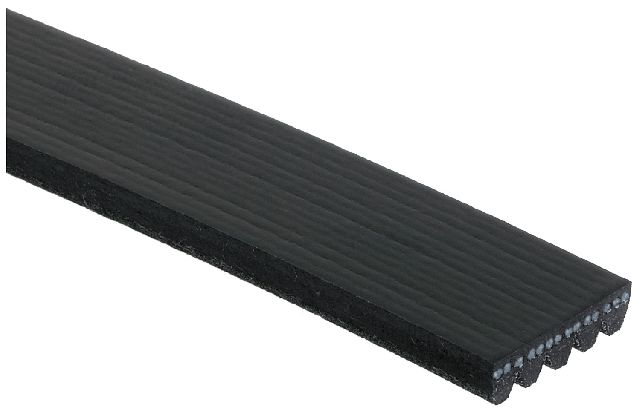
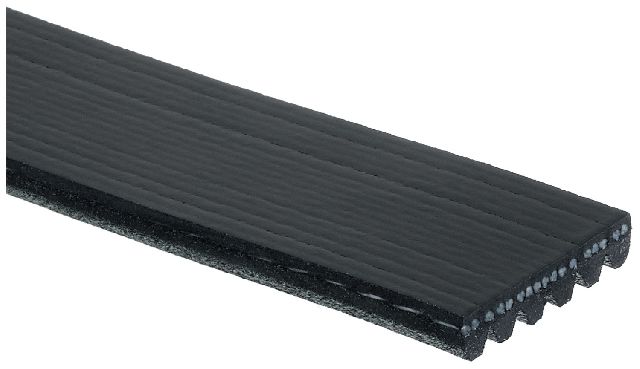
The correct belt length and rib count varies between the 1.4L and 1.8L engines, and can even differ by model year and accessories. Always verify the exact part number for your specific vehicle. Belts are typically made of EPDM rubber.
We Have This Part in Stock

The information in this article is provided for general reference and educational purposes only. Vehicle specifications, procedures, and part compatibility can vary by production date, trim level, and region. Always consult your vehicle's factory service manual and verify part numbers before purchasing or performing repairs. Safety-critical components such as airbags, seat belts, and braking systems should be installed by a qualified professional.
- Chevrolet Cruze: