

A Guide to Replacing the Catalytic Converter on Your 2010-2018 Mazda 3
Seeing a P0421 code? Here’s what you need to know before buying a new catalytic converter for your Mazda 3.
- Always diagnose the root cause of a P0421 code before replacing the converter; it could be a bad O2 sensor or exhaust leak.
- For reliability and to avoid check engine lights, OEM-grade aftermarket brands like MagnaFlow and Walker are the most recommended choices.
- Economy brands are cheaper but carry a higher risk of poor fitment and may not keep the check engine light off on a sensitive Mazda ECU.
- Replacement is a complex job, often requiring the subframe to be lowered, and is not recommended for beginner DIYers.
Is Your Mazda 3 Catalytic Converter Failing?

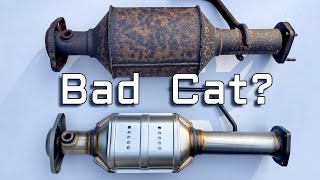
When a catalytic converter starts to go bad, your car will give you several warning signs. Ignoring them can lead to more serious engine problems, failed emissions tests, and poor performance. The most common sign is the check engine light, but there are other symptoms to watch for.
Common Failure Symptoms:
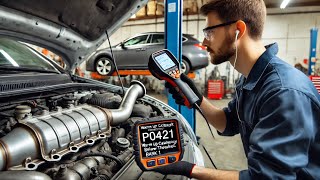
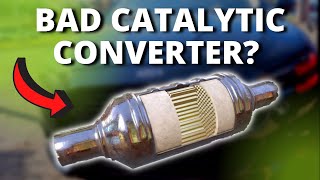
🎬 Watch: A breakdown of common catalytic converter failure symptoms- Check Engine Light: A code like P0421 or P0420 is the most frequent indicator. Mazda vehicles are particularly known for logging the P0421 code. 🎬 See how to diagnose the P0421 code on your Mazda
- Sluggish Performance: Your car may feel weak or slow to accelerate, especially when going uphill. This happens because a clogged converter restricts exhaust flow, essentially choking the engine.
- Bad Smell: A distinct rotten egg or sulfur smell from the exhaust is a classic sign that the converter isn't processing gases correctly.
- Rattling Noise: If you hear a rattling sound from under the car, it could be the ceramic honeycomb inside the converter breaking apart.
- Poor Fuel Economy: When your engine has to work harder to push out exhaust gases, it burns more fuel.
P0421 Doesn't Always Mean a Bad Converter
Before you spend money on a new converter, it is critical to find out why the original one failed. The P0421 code means catalyst efficiency is low, but this can be caused by other problems. Common root causes include failing oxygen (O2) sensors, exhaust leaks, or engine misfires that dump unburned fuel into the exhaust, overheating and destroying the converter. Always diagnose and fix these underlying issues first, or you will quickly ruin the new converter.
Choosing the Right Aftermarket Converter for Your Mazda 3


When your original converter fails, you'll find that OEM Mazda parts are very expensive, often costing over $2,000. Aftermarket parts offer a more affordable solution, but quality varies widely. Here’s a breakdown of the available brands to help you choose.
Brand Quality Tiers
Tier 1: Premium Aftermarket (Higher Cost, Higher Reliability)
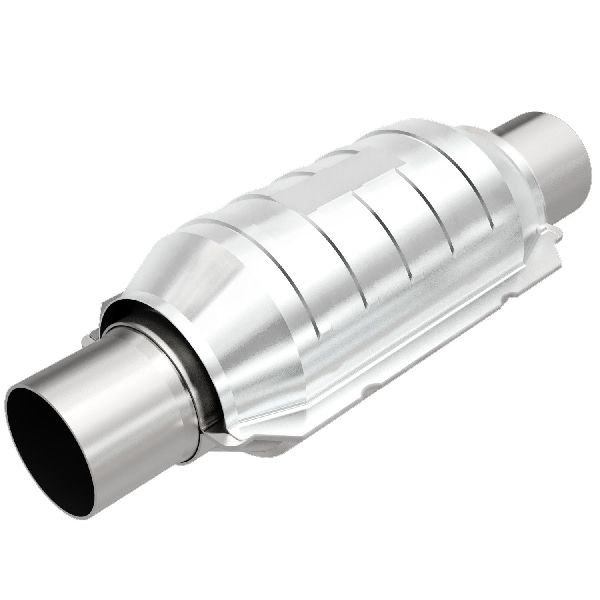
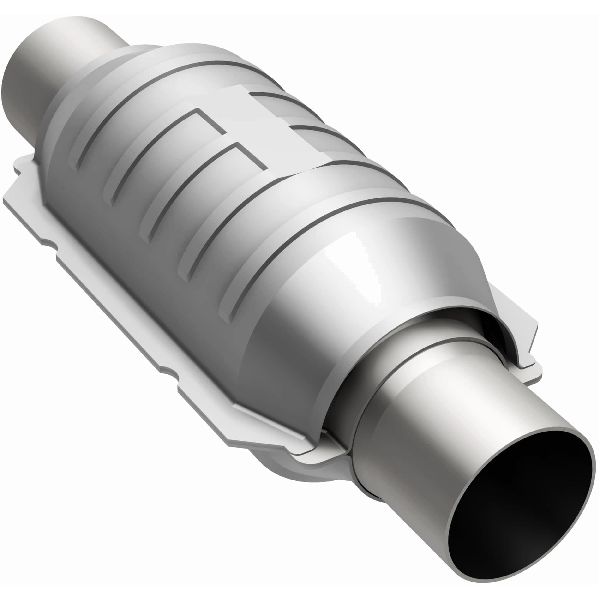
- MagnaFlow / MagnaFlow Performance Exhaust: A top-tier aftermarket brand known for high-quality stainless steel construction and excellent fitment. They are often considered an OEM-grade or performance-oriented choice and are less likely to cause check engine light issues.
- Walker Exhaust: Another highly trusted name in exhaust parts. Walker converters are designed to match OEM performance and fit, making them a reliable choice for a direct replacement that works correctly.
Tier 2: Standard Aftermarket (Good Value)
- Eastern Catalytic: A solid mid-range brand that provides professional-grade options. They are known for meeting EPA standards and sometimes offer a longer performance warranty than the federally mandated minimum.
Tier 3: Economy Aftermarket (Lowest Cost)
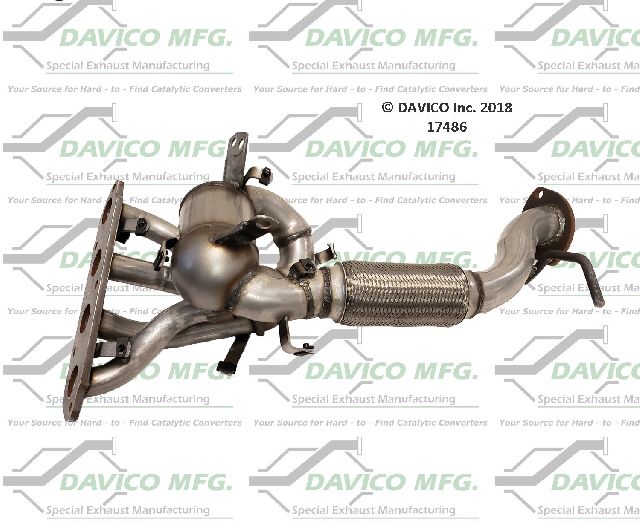
- AP Exhaust, Davico Converters: These brands offer the most budget-friendly solutions. While the low price is attractive, be aware that fitment can sometimes be imperfect, requiring adjustments during installation. There is also a higher risk that these converters may not have enough precious metals to satisfy the Mazda 3's sensitive emissions monitoring, potentially leading to a return of the P0421 check engine light.
Skyactiv vs. Non-Skyactiv Engines
For 2012 and 2013 models with the 2.0L engine, Mazda offered both the standard MZR engine and the new Skyactiv engine. These engines use different catalytic converters that are not interchangeable. Double-check your vehicle's specifications and the part's fitment notes to ensure you order the correct one.
Cost to Replace a Mazda 3 Catalytic Converter

| Part Type | Estimated Part Cost | Notes |
|---|---|---|
| New OEM | $800 - $2,500+ | Most reliable but very expensive. |
| New Aftermarket | $137 - $719 | Price reflects brand quality, from economy to premium. |
| Shop Labor | $400 - $800+ | Varies by shop and model; Skyactiv models are more labor-intensive. |
Frequently Asked Questions
Will an aftermarket converter cause a check engine light on my Mazda 3?
It can. Mazda's engine computers are sensitive. Cheaper converters may have less of the precious metals (platinum, palladium, rhodium) needed for the chemical reaction. If the downstream oxygen sensor detects that the exhaust gas isn't clean enough, it will trigger the P0421 code. Sticking with higher-quality brands like MagnaFlow or Walker reduces this risk.
Do I need a CARB-compliant converter?
If you live in California, Colorado, New York, or Maine, you are legally required to use a converter that is compliant with the California Air Resources Board (CARB) standards. These converters are more expensive because they are tested more rigorously and contain more precious metals. Always check your local regulations before purchasing.
Is this a DIY job?
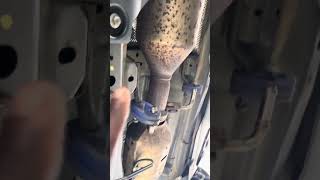
For most people, no. The catalytic converter on the 2010-2018 Mazda 3 is part of the exhaust manifold, bolted directly to the engine. On many models, especially those with Skyactiv engines, the subframe must be lowered to gain access, which is a complex job. This repair is best left to an experienced mechanic with the proper tools.
🎬 Watch this walkthrough of the complex replacement processWhat's the difference between a direct-fit and universal converter?
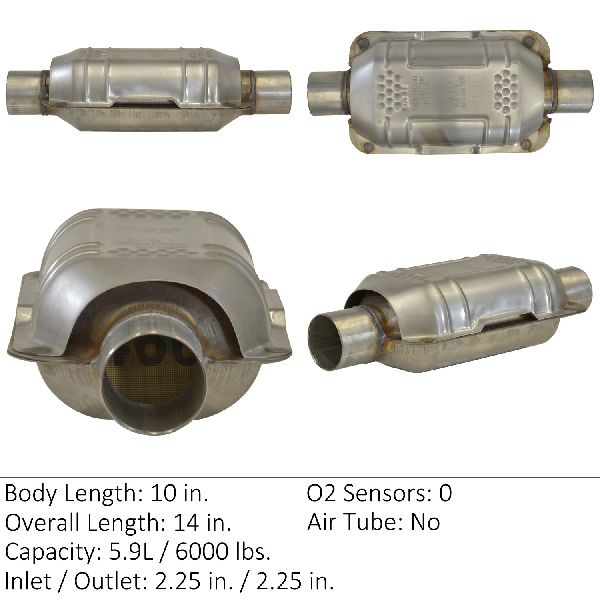
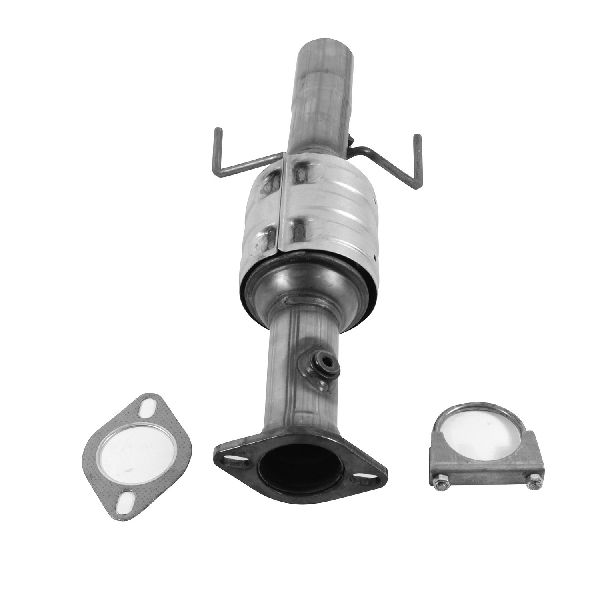
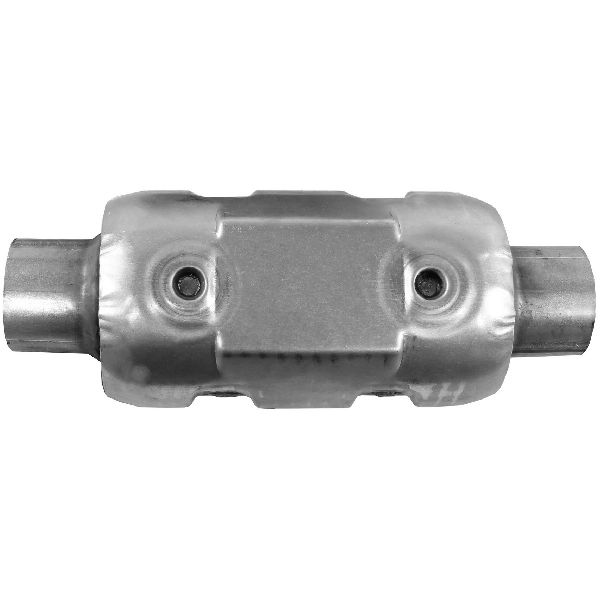
A direct-fit converter is designed to bolt right into your specific vehicle with no modifications. A universal converter is a generic part that must be welded or clamped into your existing exhaust system. For the Mazda 3's manifold converter, a direct-fit part is the only practical option.
Helpful Videos
Technical Specifications
OEM Part Numbers: PEK9-20-55X
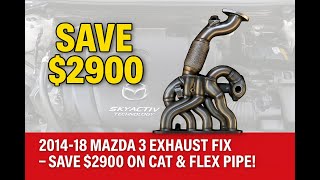
This vehicle uses a manifold-style catalytic converter, which is integrated with the exhaust manifold. Part configurations differ between the 2.0L MZR, 2.0L Skyactiv, and 2.5L engines, as well as by PZEV (Partial Zero Emission Vehicle) status. Always verify the exact part number using your vehicle's VIN.
We Have This Part in Stock

The information in this article is provided for general reference and educational purposes only. Vehicle specifications, procedures, and part compatibility can vary by production date, trim level, and region. Always consult your vehicle's factory service manual and verify part numbers before purchasing or performing repairs. Safety-critical components such as airbags, seat belts, and braking systems should be installed by a qualified professional.
- Mazda 3: