

Ford Transit Connect Brake Pad Replacement Guide: 2010-2018
Stop the guesswork and choose the right brake pads for your specific Transit Connect van.
- You MUST correctly identify your van as 1st Gen (2010-2013) or 2nd Gen (2014-2018) to get the right parts.
- For most users, a quality ceramic or semi-metallic pad set from a brand like Bosch, Wagner, or Centric is the best value.
- If doing the job yourself on a 2014-2018 model, open the bleeder screw before compressing the caliper piston to protect the master cylinder.
- Always replace or resurface your rotors when changing pads for the best performance and to avoid vibration issues.
A Tale of Two Vans: The Most Important Part of Buying Brake Pads

Before you buy, you must know which Ford Transit Connect you own. The 2010-2018 model years cover two completely different vehicles that use different parts.
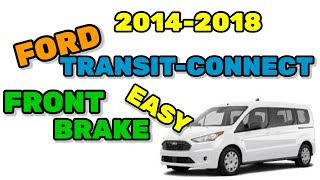
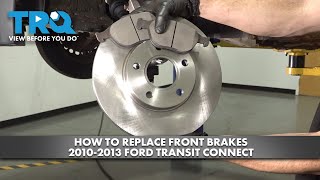
- 1st Generation (2010-2013): A smaller, more compact van based on the Ford Focus platform. These vans have their own specific brake pad shapes and sizes. 🎬 Watch: Step-by-step front brake replacement for 2010-2013 models.
- 2nd Generation (2014-2018): A larger, completely redesigned van. These models use different brake pads than the earlier generation.
Signs Your Transit Connect Needs New Brake Pads

Your van will give you clear warning signs when the brake pads are getting low. Ignoring them can lead to more expensive repairs.
- Squealing or Screeching: Most brake pads have a small metal tab called a wear indicator. When the pads get thin, this tab scrapes against the rotor, making a high-pitched noise when you brake.
- Grinding Noises: If you hear a deep, metallic grinding, stop driving as soon as it is safe. This means the friction material is completely gone, and metal is grinding against metal. This will quickly destroy your brake rotors.
- Vibration or Pulsing: If you feel a pulsing in the brake pedal or a vibration in the steering wheel when braking, your brake rotors may have been warped from heat, often caused by worn or sticking pads.
- Spongy or Soft Brake Pedal: While this can indicate several issues, including air in the brake lines, it can also be a symptom of a failing brake system component. Some owners have reported soft pedal issues.
- Pulling to One Side: If the van pulls left or right when you brake, it could mean a caliper is sticking or pads are worn unevenly on one side.
Choosing the Right Aftermarket Brake Pads

You don't need to buy the most expensive pads, but you should choose a quality set that matches your driving needs. For a work vehicle like the Transit Connect, durability and performance under load are key.
Pad Material: Ceramic vs. Semi-Metallic
- Ceramic Pads: These are a great choice for quiet operation and low brake dust. They offer smooth, consistent stopping for daily driving and light cargo loads. Many quality aftermarket and OEM-style pads are ceramic.
- Semi-Metallic Pads: These pads contain metal fibers that help dissipate heat and provide more 'bite'. They are excellent for heavy hauling, frequent city stopping, and long-term durability, but they can be slightly noisier and create more dust than ceramic pads.
| Brand Tier | Description & Recommended Use | Example Brands |
|---|---|---|
| Daily Driver / OE-Style | This is the sweet spot for most Transit Connect owners. These pads offer quality and performance equal to or better than the original Motorcraft pads. They provide a great balance of stopping power, low noise, and long life for mixed-use vans. | Bosch, Wagner, Centric, Raybestos, Bendix, Akebono |
| Economy | Best for those on a tight budget where the van sees light duty. Quality can be inconsistent, and they may not last as long or be as quiet as OE-style pads. | Pronto, Dynamic Friction, Total Stopping Solutions |
| Heavy-Duty / Performance | For vans that are always loaded to capacity or for drivers who want maximum stopping power. These pads are designed for high heat and severe use. They may include slotted or drilled rotors in kits. | Powerstop (Z23 Kits), Hawk, EBC Brakes |
Known Issues, Recalls & TSBs

While generally reliable, there are a few known issues. No major recalls exist for brake pads themselves in the 2010-2018 range, but related components have been flagged.
- 2016 HCU Recall: Some 2016 models were recalled for a contaminated brake Hydraulic Control Unit (HCU) pump that could affect ABS and stability control performance.
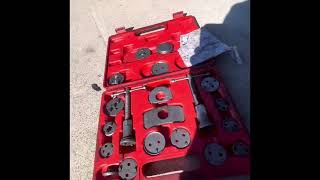
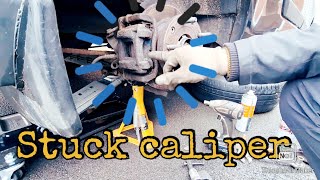
- Sticking Calipers: A common complaint across many vehicles, but noted in Transit Connect forums. Sticking caliper slide pins can cause pads to drag, leading to premature wear, overheating, and pulling. Regular cleaning and lubrication of the pins during a brake job is essential. 🎬 Watch: How to identify and fix a stuck brake caliper.
Pro Tip for DIY Replacement (2014-2018)
Mechanics have noted that the master cylinder on 2nd Gen (2014+) vans can be sensitive. When compressing the caliper piston to make room for new pads, it is highly recommended to open the caliper's bleeder screw first. This allows old fluid to escape out of the bleeder instead of being forced back up the system, which could potentially damage the master cylinder seals.
Frequently Asked Questions (FAQ)
Do I need to replace my rotors with my pads?
It is highly recommended. If your old pads were grinding, or if you feel a pulsation when braking, you must replace the rotors. For a trouble-free job, installing new pads on new, perfectly flat rotors ensures the best performance and longevity. At a minimum, have the old rotors measured to ensure they are within the minimum thickness specification and not warped.
Are Motorcraft OEM pads better than aftermarket?
Motorcraft pads are an excellent, safe choice designed specifically for your van. However, high-quality aftermarket brands like Bosch, Wagner, or Akebono are often just as good, and sometimes offer better performance in specific areas (like lower dust or higher heat tolerance) for a similar or lower price.
Why are my new brakes squeaking?
New pads need to go through a 'bed-in' process to mate properly with the rotors. This usually involves a series of hard stops from moderate speed. Squeaking can also be caused by not applying anti-squeal lubricant to the back of the pads or on the caliper contact points. Finally, cheap, hard pad compounds can also be noisy.
Are front and rear brake pads the same?
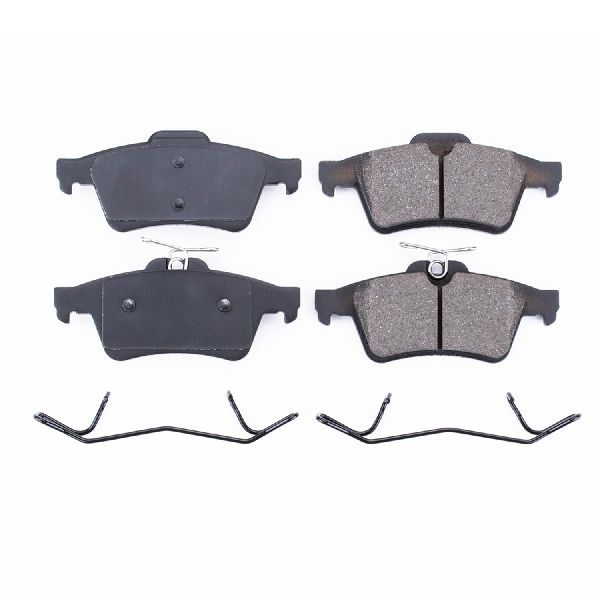
No. Front and rear brake pads have different shapes and part numbers. The front brakes do most of the stopping and are typically larger. You must buy a set specifically for the front or rear axle.
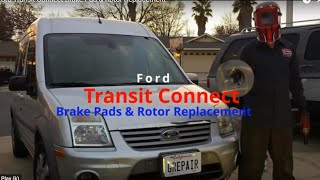
🎬 See this walkthrough for replacing rear brake pads.Helpful Videos
Technical Specifications
OEM Part Numbers: CV6Z-2001-P CV6Z-2001-M CV6Z-2001-B BRF-1561 BRF-1873
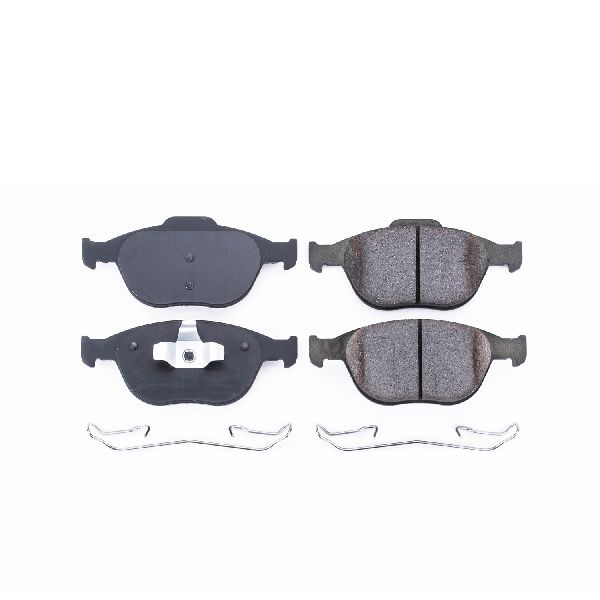
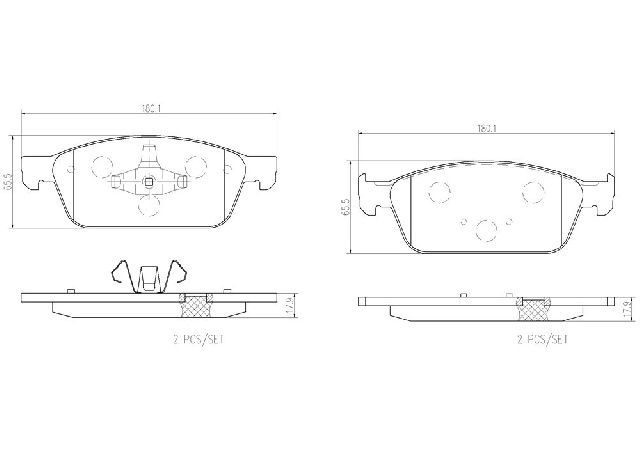
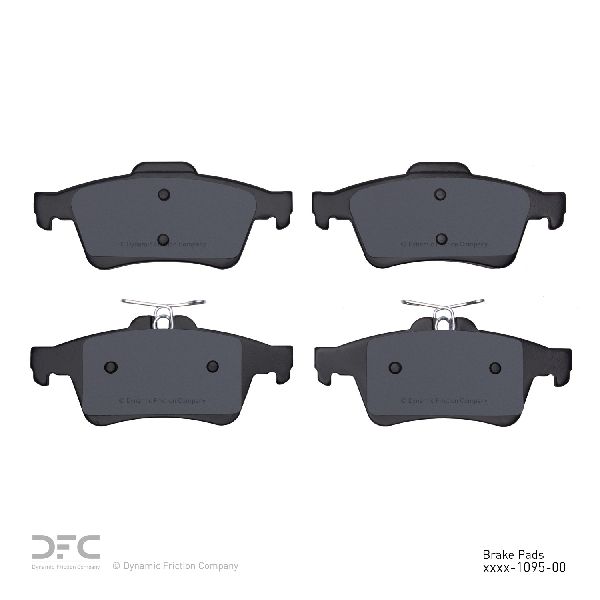
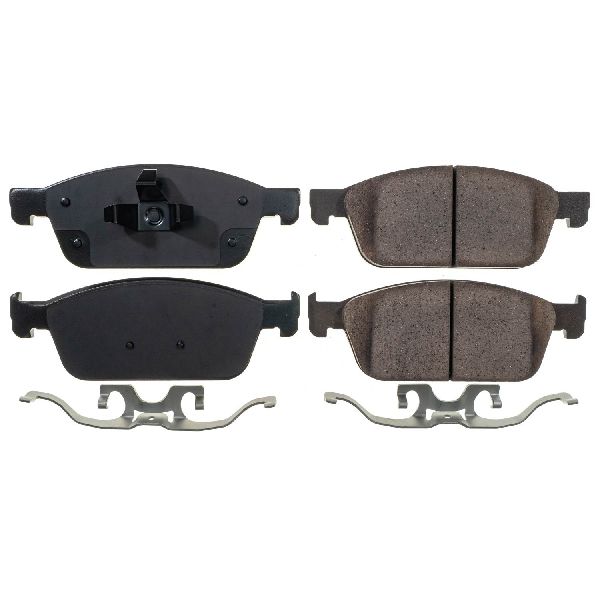
Brake pad sets are specific to the vehicle's year, generation (1st or 2nd), and axle (front or rear). Most sets include new hardware clips. Pad material is typically ceramic or semi-metallic.
We Have This Part in Stock


The information in this article is provided for general reference and educational purposes only. Vehicle specifications, procedures, and part compatibility can vary by production date, trim level, and region. Always consult your vehicle's factory service manual and verify part numbers before purchasing or performing repairs. Safety-critical components such as airbags, seat belts, and braking systems should be installed by a qualified professional.
- Ford Transit Connect: