

Chevrolet Cruze 2010-2018 HVAC Pressure Transducer Guide
Is your Cruze's air conditioning blowing warm? This guide covers a common cause: a faulty HVAC pressure transducer.
- A faulty HVAC pressure transducer is a very common reason for the A/C to stop working on a 2010-2018 Cruze.
- Symptoms include warm air from vents, the A/C compressor not turning on, and potentially a P0532 trouble code.
- Replacement is an easy DIY job that usually does not require recharging the A/C system due to a built-in Schrader valve.
- An aftermarket sensor from a reputable brand is a cost-effective and reliable alternative to the more expensive OEM part.
Is Your Cruze's A/C Failing? It Could Be the Pressure Transducer

If your 2010-2018 Chevrolet Cruze has air conditioning problems, a bad HVAC pressure transducer is a likely suspect. This sensor is a common failure point that can prevent your A/C compressor from turning on, leaving you with warm air blowing from the vents. Before assuming you need an expensive new compressor, it's worth checking this simpler, more affordable part.
Symptoms of a Failing HVAC Pressure Transducer

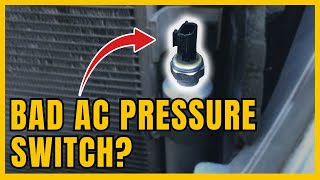
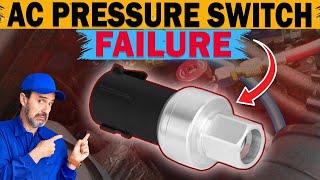
A bad pressure transducer can cause several distinct issues in your Cruze. The most common sign is the A/C system blowing air that isn't cold. You might also notice the A/C compressor not engaging at all. Other symptoms include the A/C working only sometimes or the radiator fan running constantly at high speed. 🎬 Watch this guide to identify common symptoms of a bad switch. In some cases, a faulty sensor can trigger a Check Engine Light with specific trouble codes.
Choosing an Aftermarket Replacement Part

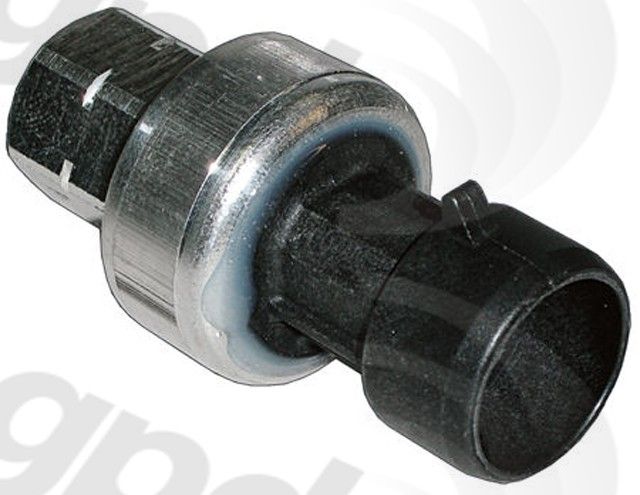
When replacing the HVAC pressure transducer on your Cruze, you don't necessarily need to buy an expensive OEM part from the dealer. Aftermarket brands offer a cost-effective alternative. The brands available in our inventory, Four Seasons and Global Parts (gpd), are established names in the automotive A/C parts industry.
- Four Seasons: This is a well-known brand in the aftermarket HVAC world. Many technicians have used their parts for years with good results, often citing them as a reliable choice. However, like any aftermarket brand, quality can sometimes be inconsistent, though they are generally considered a trusted option.
- Global Parts (gpd): Gpd is another common aftermarket supplier, often seen as a budget-friendly option. While they provide a functional replacement, some user experiences suggest a shorter lifespan compared to premium or OEM parts.
Pro Tip: OEM vs. Aftermarket
For a simple electronic sensor like the HVAC pressure transducer, a quality aftermarket part from a known brand like Four Seasons is often a smart choice. It provides similar performance to the original part at a lower cost. While the OEM part (ACDelco) is an excellent option, the cost savings of an aftermarket part are significant for this specific component, with little-to-no noticeable difference in function for most drivers.
Cost of Replacing the HVAC Pressure Transducer
| Part/Service | Estimated Cost |
|---|---|
| New Aftermarket Part | $40.19 - $49.98 |
| New OEM (ACDelco) Part | $47 - $60 |
| Shop Labor | $50 - $100 |
| Total (DIY Aftermarket) | $40.19 - $49.98 |
| Total (Shop-Installed Aftermarket) | $90 - $150 |
Installation Notes

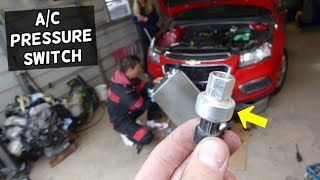
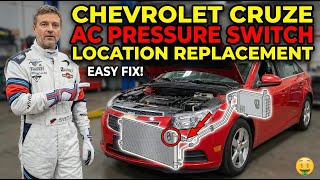
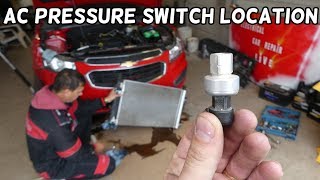
Replacing the pressure transducer on a 2010-2018 Cruze is a straightforward job that most DIYers can handle. The sensor is located on the A/C condenser on the passenger side of the vehicle. 🎬 Watch this video to see the exact location on your Cruze. On many Cruze models, a Schrader valve is located under the sensor, which prevents refrigerant from escaping when the sensor is removed. This means you likely won't need to evacuate the A/C system, saving significant time and money. 🎬 See how to replace the sensor and fix a non-engaging compressor. Always wear safety glasses and gloves. If you are unsure, it's best to consult a professional mechanic.
Known Issues & Bulletins
There are no specific recalls or widespread Technical Service Bulletins (TSBs) for the HVAC pressure transducer itself on the 2010-2018 Cruze. However, there are general TSBs for A/C performance issues, such as refrigerant leaks from the condenser plug on 2016-2019 models (TSB 18-NA-260) and intermittent temperature control problems (PIE0304A). A faulty pressure transducer is often a root cause of the symptoms described in these bulletins, like the A/C not cooling.
Frequently Asked Questions (FAQ)
Will a bad pressure transducer always cause a Check Engine Light?
Not always. The most common symptom is simply that the A/C won't get cold. A Check Engine Light will typically only appear if the sensor's electrical signal is completely out of its expected range, which triggers codes like P0532.
Do I need to recharge my A/C system after replacing the sensor?
Usually, no. The 2010-2018 Cruze typically has a Schrader valve under the sensor that seals the system when the old sensor is unscrewed. This allows you to swap the part without losing refrigerant. However, if your system was already low on refrigerant (which can also cause the A/C to fail), it will need to be inspected for leaks and recharged.
What's the difference between a transducer and a switch?
The terms are often used interchangeably. A traditional 'switch' is a simple on/off device. A 'transducer' provides a variable voltage signal that corresponds to the pressure reading. Modern cars like the Cruze use a transducer, but it's often called a pressure switch in repair guides and part catalogs.
Could something else be wrong if a new sensor doesn't fix my A/C?
Yes. While the sensor is a common failure point, other issues could be the cause. These include low refrigerant, a bad A/C compressor clutch relay, a blown fuse, or a faulty compressor. Always check the simple things like fuses and relays first.
Helpful Videos
Technical Specifications
OEM Part Numbers: 13587668 13502759 13587697
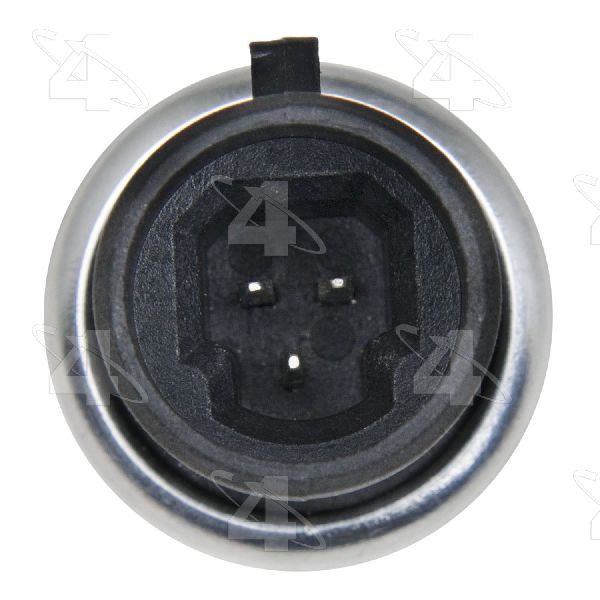
3-pin electrical connector. Located on the A/C condenser on the passenger side of the engine bay.
We Have This Part in Stock

The information in this article is provided for general reference and educational purposes only. Vehicle specifications, procedures, and part compatibility can vary by production date, trim level, and region. Always consult your vehicle's factory service manual and verify part numbers before purchasing or performing repairs. Safety-critical components such as airbags, seat belts, and braking systems should be installed by a qualified professional.
- Chevrolet Cruze:
- 🎬 Helpful Videos
- 🛍️ Shop This Part
- Is Your Cruze's A/C Failing? It Could Be the Pressure Transducer
- Symptoms of a Failing HVAC Pressure Transducer
- Choosing an Aftermarket Replacement Part
- Cost of Replacing the HVAC Pressure Transducer
- Installation Notes
- Frequently Asked Questions (FAQ)
- 🎟️ Get 5% Off