

Ford Escape Engine Coolant Thermostat Guide for 2010-2017 Models
Prevent overheating in your 2010-2017 Ford Escape by understanding and choosing the right engine thermostat.
- A failing thermostat can cause either critical overheating (stuck closed) or poor performance and a P0128 code (stuck open).
- Always replace the entire thermostat and housing assembly, not just the valve, to prevent future leaks from the plastic housing.
- For EcoBoost engines (1.6L, 2.0L), replacement is a difficult job that may require removing the alternator, making professional installation a safer option for many.
- Given the history of cooling system issues with 1.6L EcoBoost engines, using a high-quality OEM (Motorcraft) or top-tier aftermarket part is strongly recommended.
Signs of a Failing Thermostat in a Ford Escape

A thermostat can fail in two ways: stuck open or stuck closed. Each has distinct symptoms.
Stuck Closed: Critical Failure
This is the most dangerous type of failure. The thermostat does not open, preventing coolant from reaching the radiator. Symptoms include:
- Engine temperature gauge quickly rising to the red zone.
- Overheating warnings on the dashboard.
- Boiling or gurgling sounds from the engine or coolant reservoir.
- Potential coolant leaks from seals under high pressure.
If you suspect a stuck-closed thermostat, pull over immediately and shut off the engine to prevent severe damage.
Stuck Open: Less Severe, Still a Problem
This is a more common failure mode for modern thermostats. The thermostat remains open, allowing coolant to circulate constantly. Symptoms include:
- Engine takes a very long time to warm up.
- Temperature gauge stays in the low range, especially during highway driving.
- Check Engine Light with code P0128 (Coolant Temperature Below Thermostat Regulating Temperature).
- Poor heater performance in the cabin.
- Decreased fuel economy.
Known Issues: Recalls and TSBs for 2010-2017 Ford Escape

The cooling systems on these Escapes, particularly those with EcoBoost engines, have known issues. While not always a direct thermostat failure, they highlight the importance of a healthy cooling system.
Critical Warning for 1.6L EcoBoost Engines (2013-2014)
Ford issued multiple recalls (including NHTSA #17V209 / Ford #17S09) for 2013-2014 Escapes with the 1.6L engine due to a serious fire risk. A lack of coolant circulation could cause the cylinder head to crack, leading to an oil leak and engine fire. The fix involved installing a coolant level sensor and software updates. Owners of these vehicles should be extremely vigilant about their cooling system's health.
- Coolant Intrusion: Technical Service Bulletins (TSBs) exist for 1.5L, 1.6L, and 2.0L EcoBoost engines regarding coolant leaking into the engine's cylinders. This is a major engine-out-of-warranty repair and is often preceded by unexplained coolant loss.
- Engine Block Heater Recall (2.0L): Some 2013-2019 Escapes with 2.0L engines were recalled because the accessory block heater could crack, leak coolant, and cause a fire when plugged in.
Pro Tip: Replace the Entire Housing
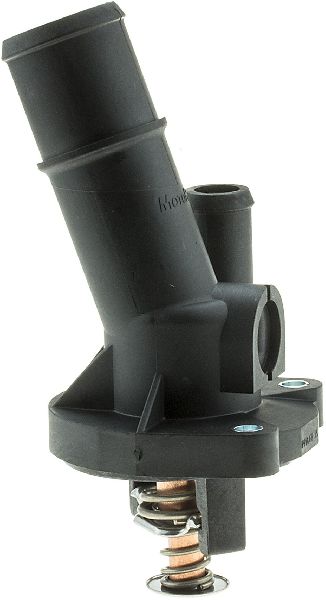
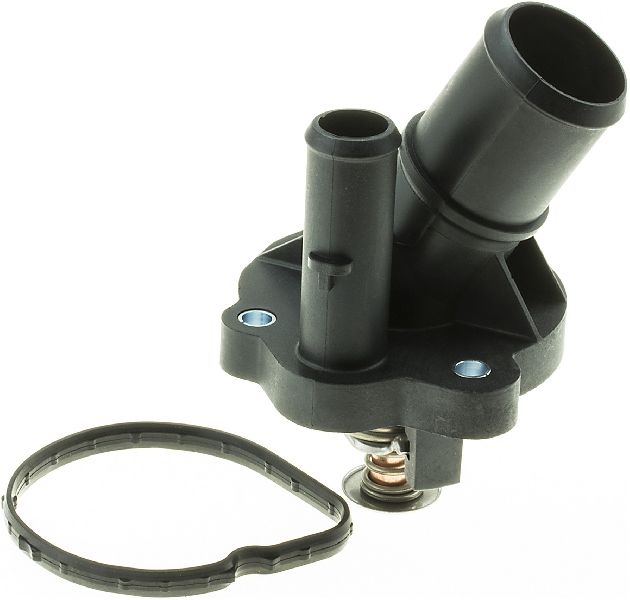
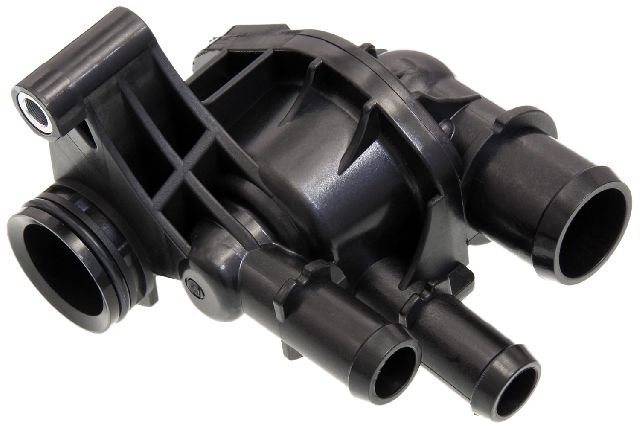
On the 2010-2017 Escape, the thermostat is part of a plastic housing assembly. It is highly recommended to replace the entire unit (thermostat and housing) rather than just the thermostat valve. The plastic can become brittle and crack over time, and a new assembly ensures all seals are fresh, preventing future leaks.
Choosing the Right Aftermarket Thermostat

When replacing your thermostat, you have several options. Your choice depends on your budget and risk tolerance.
Brand Quality Tiers
- OEM (Original Equipment Manufacturer): Motorcraft is the Ford factory brand. It's the safest bet for fit, function, and reliability, but usually the most expensive option.
- High-Quality Aftermarket: Brands like Gates and Calorstat have strong reputations for producing parts that meet or exceed OEM standards. They are often OEM suppliers for other car manufacturers. Beck Arnley aims for OE quality, but user reviews are mixed; some find them excellent while others report early failures.
- Budget Aftermarket: Motorad and Facet are value-oriented brands. While the price is lower, reviews for Motorad are inconsistent, with some users reporting failures in under a year. This tier may be suitable for a budget repair, but carries a higher risk of premature failure.
- Performance: Mishimoto offers 'racing' thermostats that open at a lower temperature (e.g., 154°F vs. a stock 180°F). These are intended for highly modified or track-use vehicles. For a daily-driven Escape, especially in colder climates, using a lower-temperature thermostat is not recommended as it can cause the engine to run too cool, triggering a P0128 code and reducing efficiency.
| Part Type | Typical Price Range | Notes |
|---|---|---|
| New OEM (Motorcraft) | $75 - $150 | Highest quality and reliability. |
| New Aftermarket (Quality) | $40 - $120 | Good balance of price and quality (e.g., Gates, Beck Arnley). |
| New Aftermarket (Budget) | $18 - $50 | Lowest cost, but higher risk of premature failure (e.g., Motorad). |
Frequently Asked Questions (FAQ)
Can I replace just the thermostat and not the housing?
While technically possible on some models, it is strongly advised against. The plastic housings are a common failure point for leaks as they age. Replacing the complete assembly is the correct, long-term repair and prevents you from having to do the job twice.
Is this a difficult DIY job?
It depends entirely on your engine. For the 2.5L base engine, it is a relatively straightforward job. For the 1.6L and 2.0L EcoBoost engines, it is significantly more difficult. The thermostat is located in a very tight space, often requiring the removal of the alternator, which may also require removing an engine mount and supporting the engine. This can be a 5+ hour job for an experienced DIYer.
What else should I replace at the same time?
Anytime you open the cooling system, it's a perfect opportunity to do a complete coolant flush with the correct Ford-specified coolant. Also, inspect all coolant hoses for swelling, cracking, or softness and replace them as needed.
My car has a P0128 code. Is it definitely the thermostat?
The P0128 code is most commonly caused by a thermostat that is stuck open. However, it can also be triggered by a faulty coolant temperature sensor or very low coolant levels. Since the thermostat is the most likely culprit and a common wear item, it's the first part to check and replace.
Helpful Videos
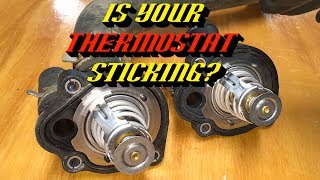
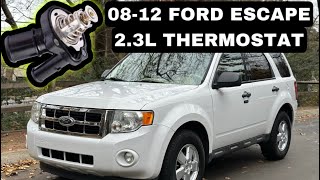
Technical Specifications
OEM Part Numbers: RT-1238 CM5Z-8575-A BM5Z-8575-C
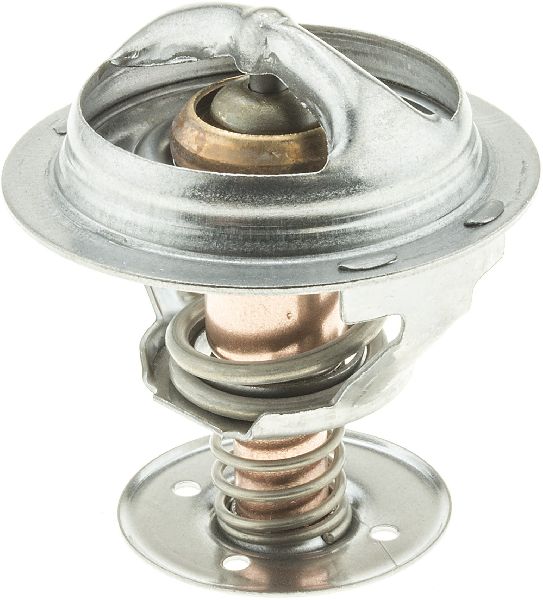
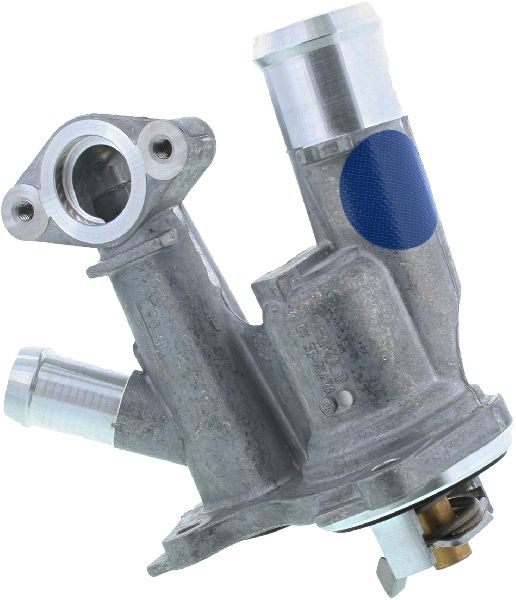
Thermostat is typically sold as a complete housing assembly. Standard opening temperatures are usually 180°F or 192°F depending on the specific engine and model year. Always verify the correct part for your vehicle's specific engine (2.5L, 1.6L EcoBoost, or 2.0L EcoBoost).
We Have This Part in Stock


The information in this article is provided for general reference and educational purposes only. Vehicle specifications, procedures, and part compatibility can vary by production date, trim level, and region. Always consult your vehicle's factory service manual and verify part numbers before purchasing or performing repairs. Safety-critical components such as airbags, seat belts, and braking systems should be installed by a qualified professional.
- Ford Escape: