

Guide to the Engine Crankshaft Position Sensor for 2010-2016 Volkswagen Golf
Fix stalling and starting problems by understanding the crankshaft position sensor in your VW Golf.
- A failing crankshaft sensor is a critical issue that can leave you stranded or cause dangerous stalling.
- Symptoms include a no-start condition, stalling, rough idle, and a Check Engine Light with codes P0321 or P0322.
- For best results, choose an OEM-supplier brand like Bosch or Hella for your replacement sensor.
- Always inspect the sensor's wiring for damage before replacing the part, as this can cause identical symptoms.
Understanding Crankshaft Sensor Failure in Your Golf

The crankshaft position sensor is vital for your Golf's engine to run. When it starts to fail, it can cause problems that range from annoying to leaving you stranded. The sensor can fail from normal wear and tear, damage from engine heat, or issues with its wiring. On VWs, a failing sensor often leads to a car that cranks but won't start, or one that stalls unexpectedly.
Critical Part Warning
A completely failed crankshaft position sensor will prevent your engine from starting. Intermittent failures can cause the engine to stall while driving, which is a serious safety risk. It is not recommended to ignore symptoms of a failing sensor.
Choosing the Right Aftermarket Sensor

When replacing the crankshaft sensor on your 2010-2016 Golf, you have options. While a genuine VW part is always a safe bet, several aftermarket brands offer excellent quality, sometimes at a better price. For many Volkswagen vehicles, brands like Bosch are the original equipment manufacturer (OEM). This means buying a Bosch aftermarket sensor is often the same as getting the dealer part without the dealer markup.
- Top Tier (OEM Quality): Brands like Bosch and Hella are often original suppliers to Volkswagen and are highly recommended for their reliability and fit. They use high-quality materials and are tested to meet OEM standards.
- Mid-Tier (Reliable Alternatives): Brands such as Delphi, NGK, and Spectra generally offer good quality and are a solid choice if an OEM-supplier part isn't available. However, some users have reported mixed experiences with Delphi sensors on European cars, so sticking to Bosch or Hella is often preferred.
- Budget Tier (Use with Caution): Lower-cost brands can be a gamble. While the price is tempting, they may not have the same durability or precise signaling as higher-quality parts, potentially leading to the same problems coming back sooner. For a part this critical, it's usually best to invest in a proven brand.
Pro Tip: Check the Wiring First
Sometimes, the sensor itself isn't the problem. A damaged wire or a bad connection can cause the same symptoms, including fault codes like P0321 and P0322. Before replacing the sensor, inspect the wiring harness for any signs of wear, heat damage, or corrosion, especially where it runs near the starter motor or exhaust.
Known Issues, Recalls, and Service Bulletins
As of early 2026, there are no specific recalls or widespread Technical Service Bulletins (TSBs) from Volkswagen or the NHTSA that directly target the crankshaft position sensor for the 2010-2016 Golf. Most failures are due to normal aging and wear. However, engine misfires, which can sometimes be linked to a faulty crank sensor, are a noted issue for some Golf models. Always check for open recalls on your specific vehicle using its VIN.
Frequently Asked Questions (FAQ)

Where is the crankshaft position sensor located on a 2010-2016 VW Golf?
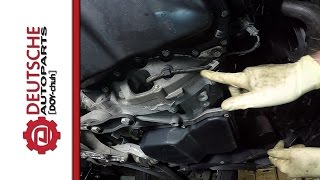
The location can vary slightly depending on the engine (e.g., 2.5L, 2.0T, 1.8T). For the common 2.5L engine, the sensor is located on the lower front of the engine block, near the oil filter housing. 🎬 Watch: Step-by-step crankshaft sensor replacement for the 2.5L engine. For 2.0T engines, it is often found on the transmission side of the engine, under the water pump area. You will likely need to raise the vehicle and remove an undertray to access it.
What are the common fault codes for a bad crank sensor?
The most common OBD-II trouble codes associated with a failing crankshaft position sensor on a VW Golf are P0321 (Ignition/Distributor Engine Speed Input Circuit Range/Performance) and P0322 (Ignition/Distributor Engine Speed Input Circuit No Signal). 🎬 See how to diagnose stalling and P0321/P0322 fault codes. You may also see general misfire codes.
Is replacing the crankshaft sensor a DIY job?
For a person with some mechanical experience, yes. The replacement itself is usually straightforward, involving removing a single bolt and a connector. The main challenge is accessing the sensor, which may require jacking up the car and removing a splash shield. If you are not comfortable working under your vehicle, it's best to leave this job to a professional.
Should I replace the camshaft position sensor at the same time?
It is not required. While they are both critical engine position sensors, they don't always fail at the same time. The camshaft sensor is often in a different, more accessible location. Replace the crankshaft sensor first if it is the diagnosed point of failure. Only replace the camshaft sensor if it is also showing signs of failure or has a related fault code.
Helpful Videos

Technical Specifications
OEM Part Numbers: 06H906433 07K906433B 03C906433E
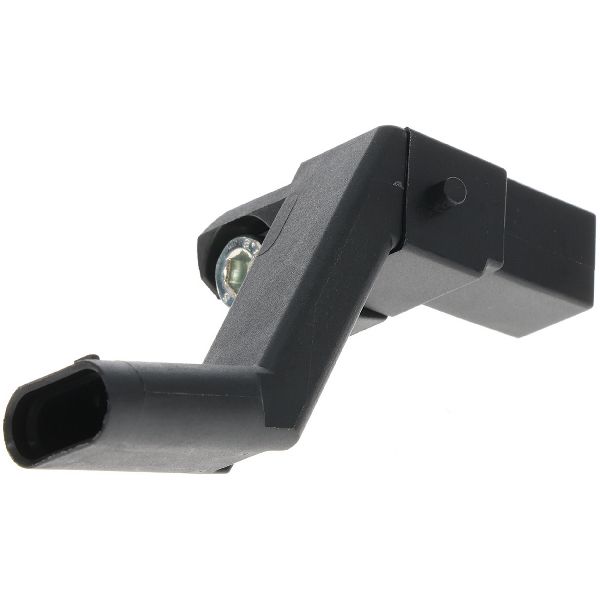
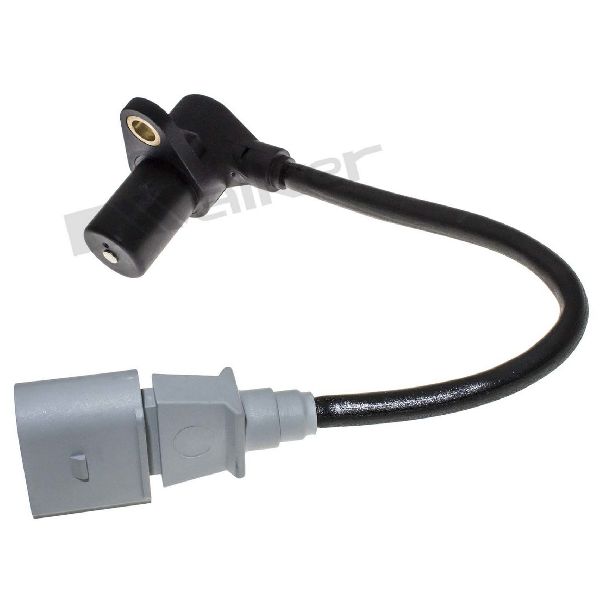
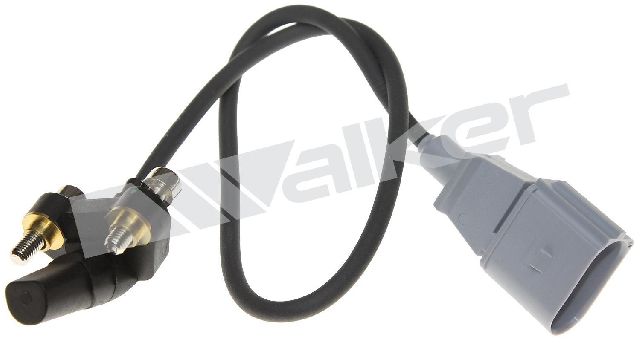
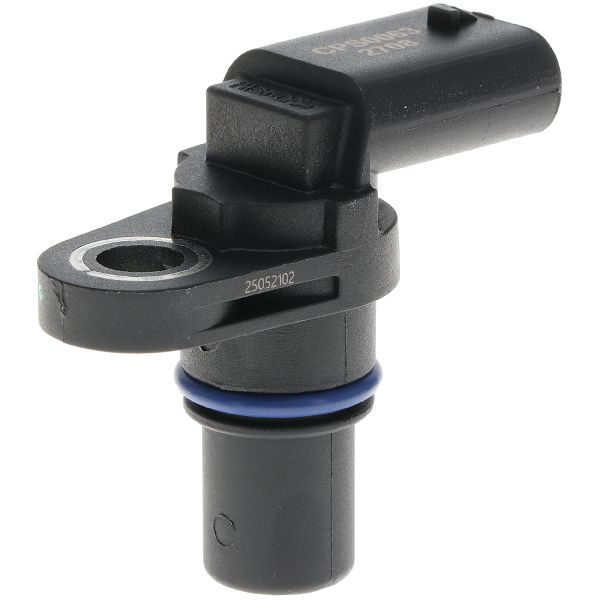
The sensor for a 2010-2016 VW Golf is typically a Hall-effect sensor with a 3-pin connector. It is designed to read a reluctor wheel on the crankshaft to provide the ECU with engine speed and position data.
We Have This Part in Stock


The information in this article is provided for general reference and educational purposes only. Vehicle specifications, procedures, and part compatibility can vary by production date, trim level, and region. Always consult your vehicle's factory service manual and verify part numbers before purchasing or performing repairs. Safety-critical components such as airbags, seat belts, and braking systems should be installed by a qualified professional.
- Volkswagen Golf: