

Engine VVT Solenoid Guide for 2010-2015 Volkswagen Golf
Understand the causes, symptoms, and replacement options for your Golf's VVT solenoid.
- A bad VVT solenoid causes a Check Engine Light, rough idle, poor acceleration, and bad fuel economy.
- The main cause of failure is often old or dirty engine oil; always change your oil when replacing the solenoid.
- Symptoms can be similar to a failing timing chain tensioner, a more serious issue, so accurate diagnosis is critical.
- Replacement is a DIY-friendly job for most, located at the top of the engine and held by a few bolts.
Is a Failing VVT Solenoid a Common Problem on the 2010-2015 VW Golf?


Yes, issues with the VVT system can occur on the Mk6 Golf, which includes the 2.0T TSI and 2.5L 5-cylinder engines. The VVT solenoid is often the first part to check when you have specific timing-related engine codes. The most frequent cause of failure is contaminated or old engine oil, which can clog the small passages and screens inside the solenoid. This prevents it from accurately controlling oil flow. While the solenoid itself can fail electronically, problems are often linked to oil maintenance.
Don't Confuse VVT Issues with Timing Chain Tensioner Failure
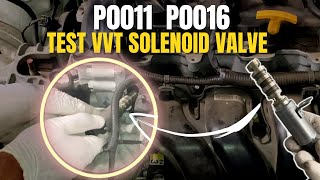
The 2010-2015 Golf, particularly with the TSI engine, is also known for issues with the timing chain tensioner. Symptoms like a rattling engine, trouble starting, and timing-related codes (like P0016) can overlap with a bad VVT solenoid. If you have these symptoms, it is crucial to diagnose the problem correctly. A failed tensioner can lead to catastrophic engine damage, whereas a bad solenoid is a less severe, but still important, repair.
Choosing the Right Aftermarket VVT Solenoid

When replacing the VVT solenoid, you have several options outside of the expensive dealer part. Quality varies, so it's important to choose wisely. For a critical electronic component like this, opting for a recognized brand is a safer bet than choosing the cheapest available part.
Brand Quality Tiers for VW Golf
- OE-Equivalent Brands: Brands like Febi and Vaico are often considered to be of similar quality to original equipment. They are known for manufacturing parts for European vehicles and are a reliable choice for durability and fitment. Standard Motor Products (SMP) is another well-regarded brand that often supplies original equipment manufacturers and has a strong reputation in the aftermarket.
- Quality Aftermarket Brands: Dorman, Beck Arnley, and NGK offer a good balance of price and quality. Dorman is known for re-engineering parts to fix common OEM failure points. These brands are a solid choice for a dependable repair without the OEM price tag.
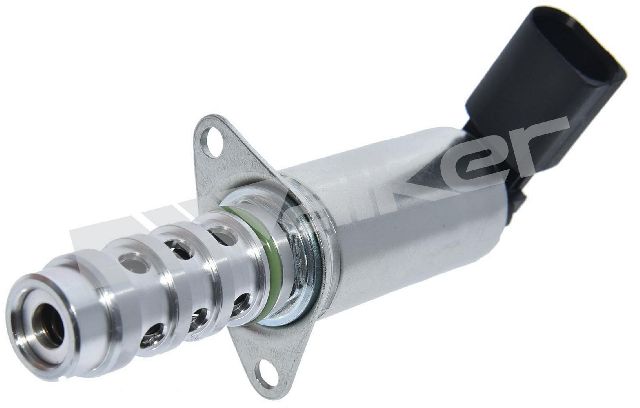
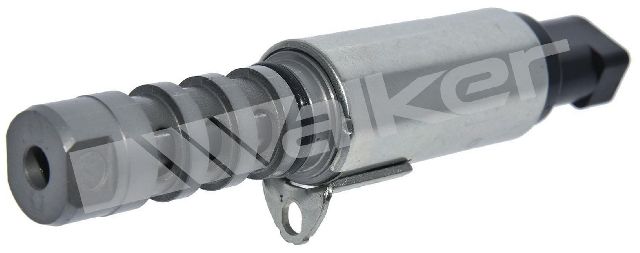
- Budget-Friendly Options: Brands like Walker Products and others may offer significant savings. While tempting, the long-term reliability for a sensitive electronic part on a Volkswagen engine can be uncertain. These are best considered if budget is the absolute primary concern.
Pro Tip: Before installing a new solenoid, perform an oil and filter change, especially if the old oil is dirty or past its service interval. Clean oil is the best way to ensure your new VVT solenoid functions correctly and has a long service life.
VVT Solenoid Replacement Cost (2010-2015 VW Golf)
The cost to replace a VVT solenoid can vary significantly based on the part brand and labor rates. The part itself is relatively accessible on most Golf engines, making labor costs reasonable.
| Item | Estimated Cost |
|---|---|
| New Aftermarket VVT Solenoid | $34 - $349 |
| New OEM VVT Solenoid | $379 - $407 |
| Shop Labor | $78 - $115 |
| Total Professional Replacement (Aftermarket Part) | $112 - $464 |
| Total Professional Replacement (OEM Part) | $457 - $521 |
Frequently Asked Questions (FAQ)

Is it safe to drive with a bad VVT solenoid?
While you can technically drive the vehicle, it is not recommended for an extended period. You will experience poor engine performance, reduced fuel economy, and potential stalling. Ignoring the issue could put extra stress on other engine components, potentially leading to more expensive repairs down the line.
Is the VVT solenoid the same as a camshaft position sensor?
No, they are different parts with distinct functions. The VVT solenoid is an actuator that controls oil flow to change cam timing. The camshaft position sensor is a sensor that monitors the position of the camshaft and sends that information to the engine computer (ECU). A fault in either can cause similar symptoms, so a proper diagnosis is important.
Can I replace the VVT solenoid myself?
Yes, for many DIYers, this is a manageable job. The solenoid is typically located on the front or top of the engine near the valve cover, held in by one to three bolts. The process involves disconnecting the electrical connector, removing the bolts, and carefully pulling out the old solenoid. The key is to have basic tools and to be careful not to drop anything into the engine.
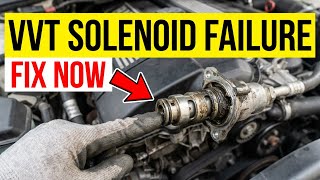
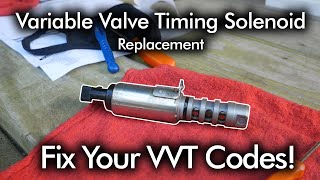
🎬 Follow this step-by-step guide to replacing your cam adjuster solenoid.Should I clean my old VVT solenoid instead of replacing it?
Some owners attempt to clean the solenoid's mesh screens, especially if the failure is due to oil sludge. This can sometimes restore function temporarily and can be a useful diagnostic step. However, if the solenoid has failed electrically or is internally worn, cleaning will not solve the problem and replacement is the only reliable, long-term solution.
Helpful Videos
Technical Specifications
OEM Part Numbers: 03C906455A
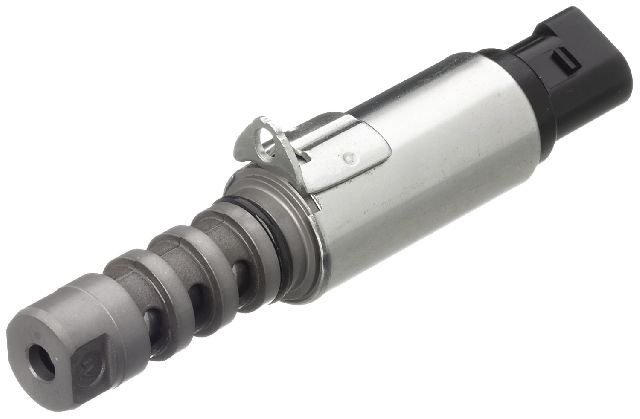
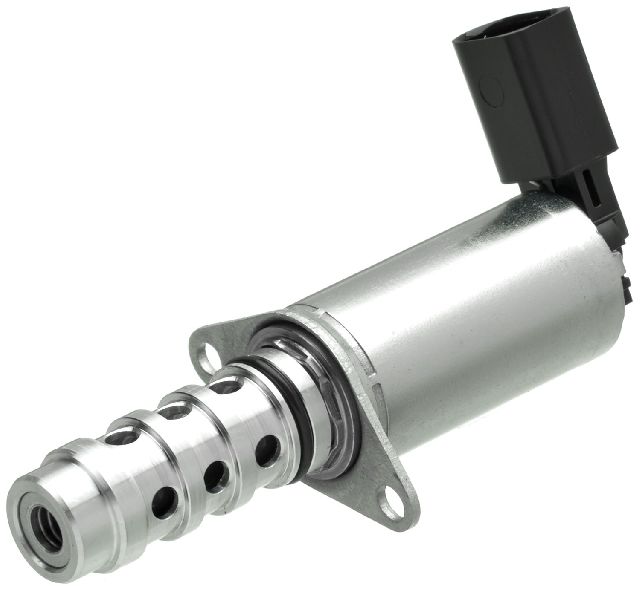
Varies by engine (2.0L TSI or 2.5L I5). Part is an electro-hydraulic solenoid that controls oil flow to the camshaft adjuster. Typically secured with T30 Torx bolts.
We Have This Part in Stock


The information in this article is provided for general reference and educational purposes only. Vehicle specifications, procedures, and part compatibility can vary by production date, trim level, and region. Always consult your vehicle's factory service manual and verify part numbers before purchasing or performing repairs. Safety-critical components such as airbags, seat belts, and braking systems should be installed by a qualified professional.
- Volkswagen Golf: