

Ford Explorer Alternator Guide: 2010-2015 Models
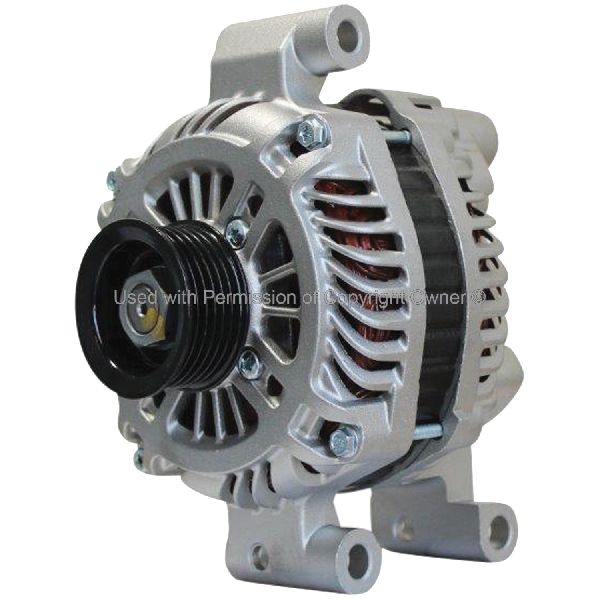
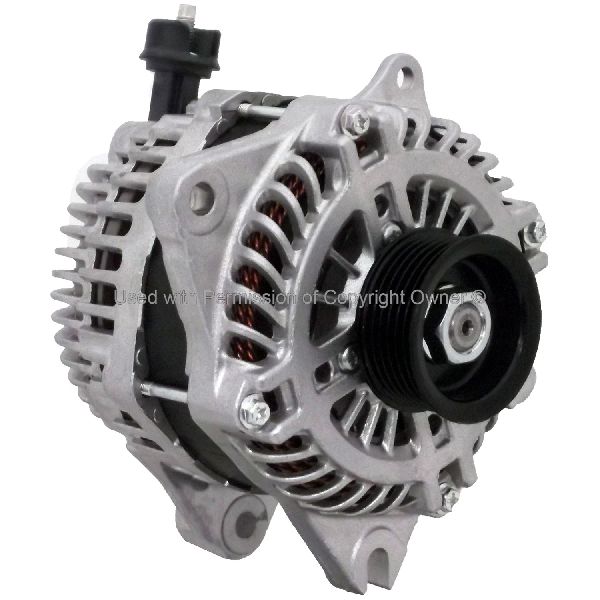
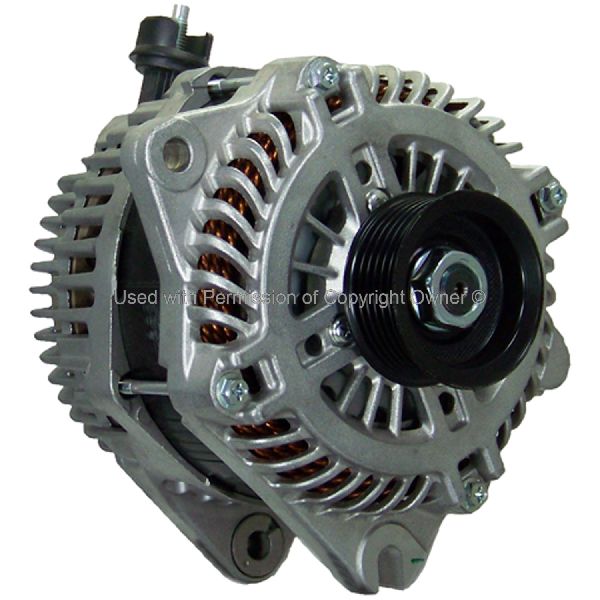
Keep your Explorer's electrical system running strong by choosing the right new aftermarket alternator for your specific year.
- Verify if you have a 2010 model (truck-based) or a 2011-2015 model (unibody), as the parts and replacement difficulty are different.
- Always test the battery first; a weak battery can mimic the symptoms of a failing alternator.
- For reliability, new OEM (Motorcraft) or premium aftermarket (Denso, Bosch) alternators are recommended by owners over standard remanufactured units.
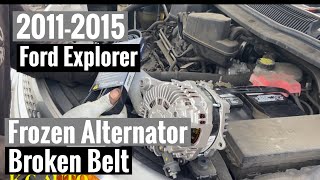
- Replacement on 2011-2015 models is significantly more difficult than on the 2010 model, often requiring removal of the cooling fans.
Understanding Your Explorer's Alternator Needs (2010 vs. 2011-2015)

It's important to know that the 2010 Ford Explorer is very different from the 2011-2015 models. The 2010 is the last of the truck-based generation, typically with a 4.0L V6 engine. The 2011 model year marked a complete redesign to a unibody platform, most commonly using a 3.5L V6 engine. This means the alternators, their location, and the replacement process are different. Always confirm you are buying a part that fits your exact year and engine size.
Signs of a Failing Alternator

A bad alternator gives you warnings before it fails completely. If you notice any of these signs, it's time to check your charging system.
- Battery Warning Light: The most obvious sign is a battery symbol or a "Check Charging System" message on your dashboard.
- Dimming Lights: Headlights and interior lights may flicker or appear dimmer than usual, especially at idle.
- Slow Electronics: Power windows, seats, or your radio might operate slowly or not at all.
- Strange Noises: A whining or grinding noise from the engine area can indicate a bad bearing inside the alternator.
- Dead Battery: If your Explorer needs a jump start frequently, the alternator is likely not recharging the battery properly.
Don't Mistake a Bad Battery for a Bad Alternator
Many alternator symptoms can also be caused by a weak or old battery. Before replacing the alternator, have your battery tested at an auto parts store. A simple test can save you from replacing the wrong part.
Choosing the Right Aftermarket Alternator

When your original alternator fails, you have several choices for a new aftermarket part. Quality and price can vary, so it's important to understand the options.
- OEM (Motorcraft): Motorcraft is Ford's official parts brand. Choosing a new Motorcraft alternator is the surest way to get original quality and fit, but it's also the most expensive option. Many owners prefer to stick with OEM to avoid potential issues with aftermarket parts.
- Premium Aftermarket (e.g., Denso, Bosch): Denso is a well-respected brand that often manufactures original parts for many carmakers. Forum users often recommend sticking with new Denso or Bosch units if you can't get Motorcraft, as they have a reputation for reliability.
- Standard Aftermarket (e.g., Remy, WAI Global, MPA, BBB Industries): These brands offer a more affordable alternative. Quality can be mixed. Some users report success, while others have experienced premature failures, particularly with bearings. WAI Global is noted to offer good value but may have durability concerns over several years. MPA and BBB Industries are large manufacturers that supply many auto parts stores. When choosing these brands, be aware that you might trade a lower price for a shorter lifespan.
Pro Tip: Consider a High-Output Alternator
If you've added electrical accessories like a powerful sound system, extra lights, or a winch, your stock alternator might not keep up. High-output alternators are available to handle the extra demand and prevent electrical problems.
Estimated Replacement Costs

The cost to replace an alternator varies by vehicle year and whether you do it yourself or hire a shop.
| Item | 2010 Explorer (4.0L) Est. Cost | 2011-2015 Explorer (3.5L) Est. Cost |
|---|---|---|
| New Aftermarket Part | $150 - $460 | $180 - $570 |
| New OEM (Motorcraft) Part | $325 - $460 | $530 - $790 |
| Shop Labor | $61 - $90 | $195 - $286 |
| Total Shop Visit (OEM Part) | $386 - $548 | $726 - $1,075 |
Frequently Asked Questions (FAQ)
Are there any recalls for the 2010-2015 Explorer alternator?
No, searches of the National Highway Traffic Safety Administration (NHTSA) database did not find any specific recalls for the alternator on 2010-2015 Ford Explorer models. Recalls found were for different model years or different components.
What is a TSB and are there any for this alternator?
A Technical Service Bulletin (TSB) is a notice from the manufacturer to dealers about a common problem and a recommended fix. No specific TSBs directly related to widespread alternator failure on the 2010-2015 Explorer were found during research. Most charging system issues on these models are related to component failure, wiring, or battery problems.
How difficult is it to replace the alternator myself?
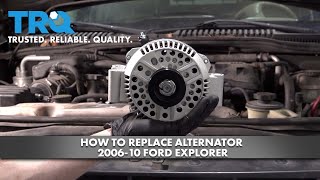
For the 2010 model with the 4.0L engine, the replacement is relatively straightforward and accessible from the top of the engine bay. 🎬 Watch a step-by-step guide for replacing the 2010 Explorer alternator. For the 2011-2015 models, the job is more difficult. The alternator is harder to reach, and you may need to remove the engine cooling fan and upper radiator hose to get enough clearance.
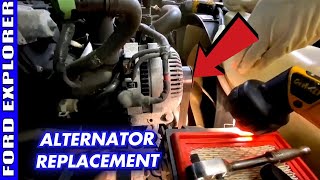
🎬 See how to replace the alternator on 2011-2015 Explorer models.What is a "BMS reset" and do I need to do it?
BMS stands for Battery Management System. On 2011 and newer Explorers, this system monitors the battery's health and controls the charging rate. After replacing the battery (and sometimes the alternator), it's a good practice to reset the BMS so the computer knows it's working with a new component. This can help prevent charging issues.
What does the P0620 code mean?
The diagnostic trouble code P0620 stands for "Generator Control Circuit." This code indicates that the powertrain control module (PCM) has detected a problem with the alternator's control circuit. This could be the alternator itself, the wiring, or the PCM.
🎬 Learn how to diagnose complex charging and wiring circuit problems.Helpful Videos
Technical Specifications
The key specification for an alternator is its amperage (A) rating. The 2010-2015 Ford Explorer uses alternators ranging from approximately 150A to 200A for standard models. Police Interceptor and other specialty models may use higher output units. Always match the amperage of the new part to the original unless you are intentionally upgrading for added accessories.
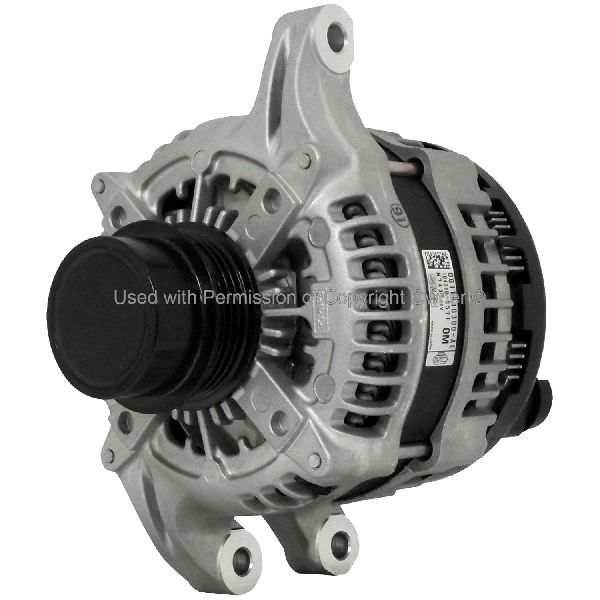
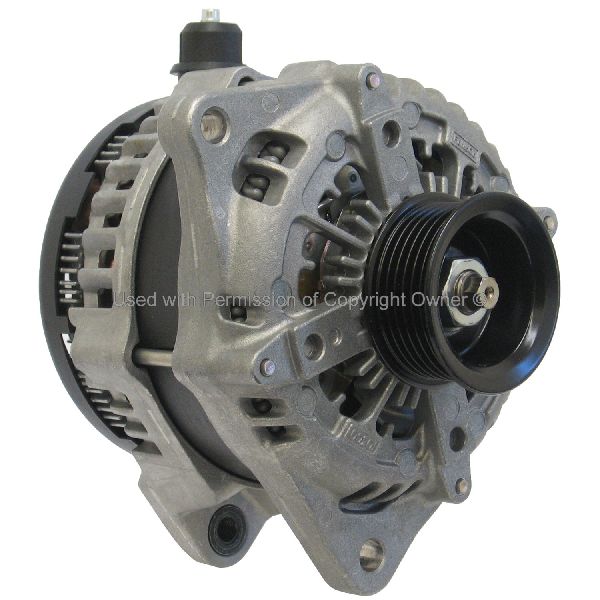
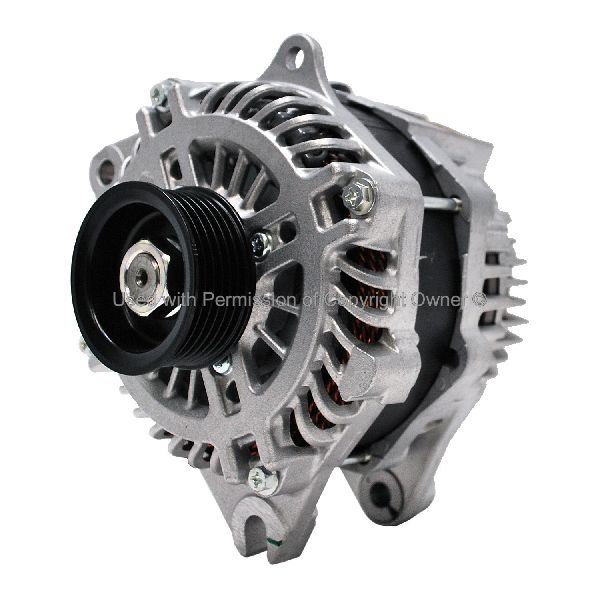
We Have This Part in Stock

The information in this article is provided for general reference and educational purposes only. Vehicle specifications, procedures, and part compatibility can vary by production date, trim level, and region. Always consult your vehicle's factory service manual and verify part numbers before purchasing or performing repairs. Safety-critical components such as airbags, seat belts, and braking systems should be installed by a qualified professional.
- Ford Explorer: