

Guide to the Engine VVT Solenoid for the 2010-2014 Mazda 6
Understanding the signs of a failing VVT solenoid can save you from poor performance and costly engine repairs.
- A failing VVT solenoid will trigger the check engine light with codes like P0011 or P0012 and cause rough idle, poor acceleration, and bad fuel economy.
- The primary cause of failure is dirty engine oil; always change your oil when replacing the solenoid.
- Replacement is a feasible DIY task, but may require removing the valve cover on the 2.5L engine.
- High-quality aftermarket brands like Standard Ignition or Beck Arnley are reliable alternatives to more expensive OEM parts.
Understanding VVT Solenoid Failure in Your Mazda 6

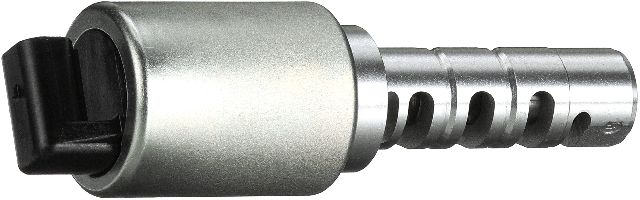
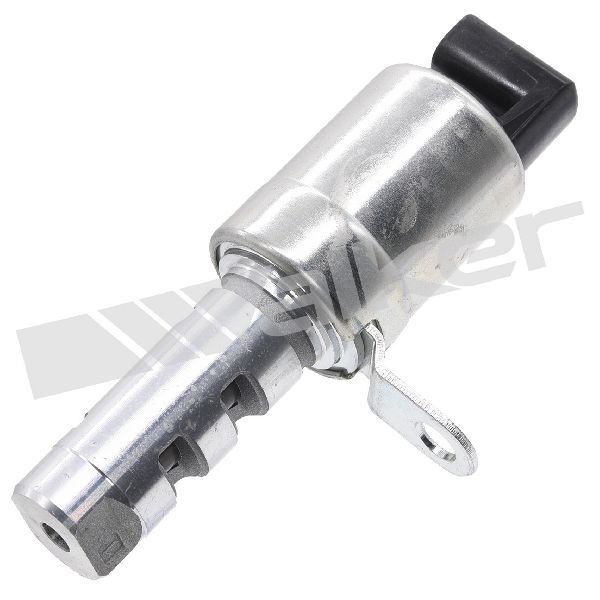
If you own a 2010-2014 Mazda 6, a failing Engine Variable Valve Timing (VVT) solenoid can cause noticeable issues. This part, also known as an oil control valve (OCV), is essential for adjusting your engine's valve timing on the fly. When it fails, the engine's computer can't properly manage the camshafts, leading to poor performance. The most common reason for failure is contaminated or old engine oil, which can clog the small passages and screens within the solenoid.
Symptoms of a Bad VVT Solenoid

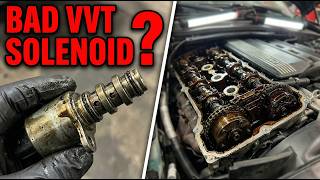
A bad VVT solenoid will almost always trigger the check engine light. You may also experience a rough or shaky idle, engine stalling, and a noticeable decrease in power and acceleration. 🎬 Watch this video to learn more about VVT failure symptoms. Some owners report a rattling or ticking noise from the engine, especially at low speeds. Another key indicator is a sudden drop in fuel economy, as the engine's timing may be stuck in a position that burns more fuel than necessary.
Don't Ignore the Signs
Driving with a bad VVT solenoid is not recommended. While the car may still run, ignoring the problem can lead to more severe engine damage over time, including issues with the timing chain or camshafts, which are much more expensive to repair.
Choosing the Right Aftermarket Part

When replacing the VVT solenoid, you have a choice between Original Equipment Manufacturer (OEM) and aftermarket parts. While OEM parts are a direct replacement, quality aftermarket brands can offer comparable performance at a better price. For the 2010-2014 Mazda 6, several reputable aftermarket brands are available.
- Premium Brands (e.g., Standard Ignition, Beck Arnley): These brands often meet or exceed OE specifications and are known for their reliability and durability. They may use high-quality materials like anodized steel to resist sludge buildup. They are a solid choice for owners looking for a long-term solution.
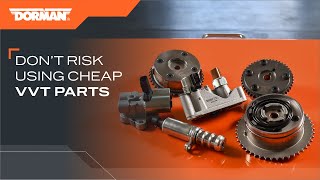
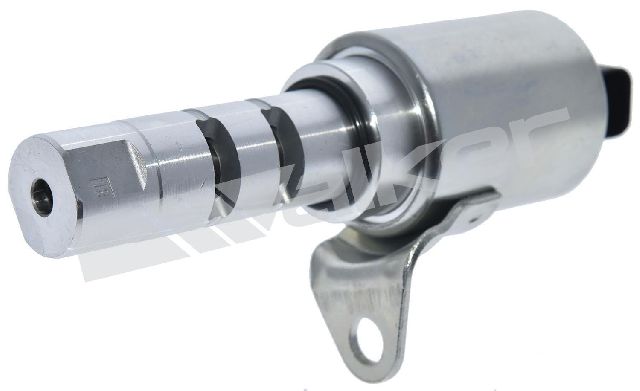
- Value Brands (e.g., Dorman, Gates, Walker Products): These brands provide a cost-effective alternative. Dorman, for example, is a well-known aftermarket manufacturer that often addresses known OE weaknesses in their designs. 🎬 See how Dorman VVT components compare to other aftermarket brands. However, some mechanics and owners report mixed experiences with the longevity of electrical components from value-oriented brands.
- Economy Brands (e.g., Global Parts, Rostra Powertrain): These are typically the most affordable options. They can be suitable for budget-conscious repairs, but quality and lifespan may vary.
Pro Tip: Change Your Oil
When you replace your VVT solenoid, it's the perfect time for an oil change. Using fresh, high-quality engine oil and a new filter is the best way to prevent premature failure of the new solenoid. Dirty oil is the number one enemy of VVT systems.
Known Issues, Recalls, and TSBs

For the 2014-2015 Mazda 6, Mazda issued Technical Service Bulletin (TSB) 01-007/15 for check engine lights with codes P0011 and P0012. This issue was linked to potential fatigue in the VVT actuator's spring shaft, not the solenoid itself, but it produces similar symptoms. No specific recalls were found for the VVT solenoid on the 2010-2014 Mazda 6. Other recalls for this period concerned issues like the tire pressure monitoring system (14V-675), airbag systems (16V-594, 17V-429), and potential fuel tank cracks caused by spider webs in a vent line (7214C).
| Part Type | Estimated Cost |
|---|---|
| New Aftermarket | $38 - $160 |
| New OEM | $240 - $420 |
| Shop Labor | $114 - $170 |
Frequently Asked Questions

Can I replace a VVT solenoid myself?
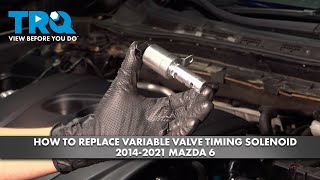
Yes, for many DIYers, this is a manageable job. The solenoid is typically located on the top of the engine near the valve cover and is secured by one or two bolts. The replacement can often be done in under an hour. 🎬 Follow this step-by-step guide to replace your VVT solenoid. However, on the 2.5L engine, accessing the solenoid may require removing the valve cover, which makes the job more involved.
How many VVT solenoids does my Mazda 6 have?
The 2.5L 4-cylinder engine in the 2010-2014 Mazda 6 typically has two VVT solenoids (also called oil control valves), one for the intake camshaft and one for the exhaust camshaft. It's often recommended to replace them in pairs.
What are the main causes of VVT solenoid failure?
The leading cause is dirty or low engine oil. Sludge and contaminants can clog the fine mesh screens and internal passages of the solenoid, causing it to stick or fail electrically. Following your vehicle's recommended oil change intervals is the best prevention.
Will a new VVT solenoid fix a P0011 or P0012 code?
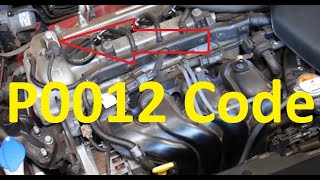
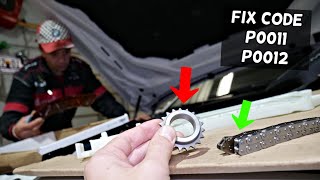
Often, yes. These codes directly relate to camshaft timing being over-advanced (P0011) or over-retarded (P0012), which is frequently caused by a malfunctioning VVT solenoid. However, these codes can also be caused by low oil, a stretched timing chain, or a bad camshaft phaser, so proper diagnosis is key.
Helpful Videos
Technical Specifications
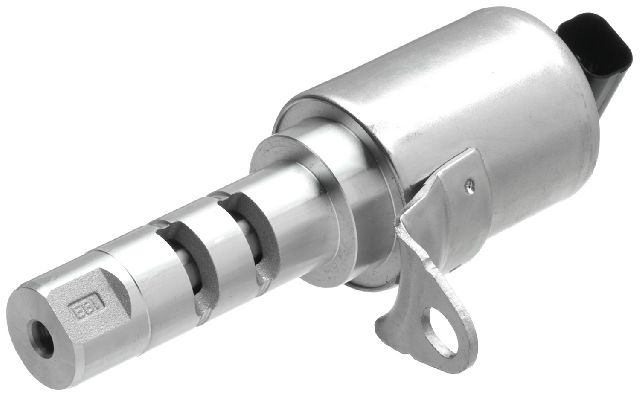
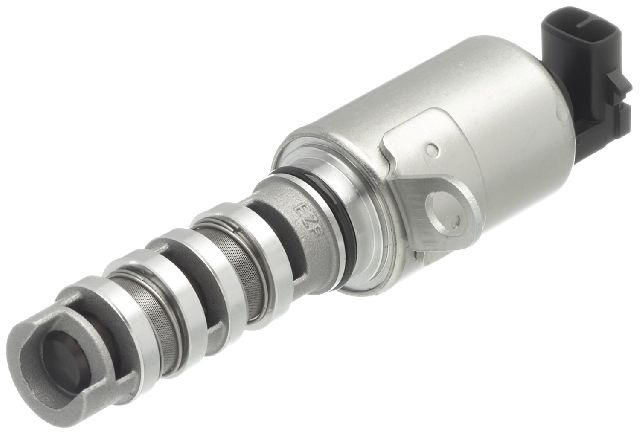
The 2.5L engine in the 2010-2014 Mazda 6 uses two oil control valves (VVT solenoids), one for the intake and one for the exhaust camshaft.
We Have This Part in Stock


The information in this article is provided for general reference and educational purposes only. Vehicle specifications, procedures, and part compatibility can vary by production date, trim level, and region. Always consult your vehicle's factory service manual and verify part numbers before purchasing or performing repairs. Safety-critical components such as airbags, seat belts, and braking systems should be installed by a qualified professional.
- Mazda 6: